#4 – 20133 102nd Avenue, Langley, B.C. V1M 4B4 Canada

#4 – 20133 102nd Avenue, Langley, B.C. V1M 4B4 Canada
Precision injection molding now sits at the intersection of tighter tolerances, medical safety, electronics miniaturization, and sustainable production. Grand View Research estimates that the global injection molded plastics market reached approximately USD 184 billion in 2023. Its outlook also indicates steady growth through 2030. MarketsandMarkets reports continuing investment in injection molding machinery, driven by automation, lightweight components, and demand for repeatable quality. These figures describe broad markets, not precision injection alone. Definitions vary, and that matters.
This Top 10 Precision Injection Molding Suppliers Worldwide guide examines manufacturers through a practical lens. It considers dimensional control, mold engineering, validated processes, cleanroom capability, material expertise, quality systems, and global delivery experience. A polished website is not enough. Buyers should ask for capability studies, tolerance data, inspection methods, and evidence from comparable applications. Dr. Suhas Kulkarni, an injection-molding specialist and author, has said, “Quality cannot be inspected into a part; it must be designed and processed into it.” That principle remains highly relevant. A microscopic flash line can disrupt a medical seal. A slight warpage issue can misalign an electronic connector.
No ranking is perfect. Supplier performance depends on the project, material, tooling design, and communication quality. Some companies excel at high-volume automotive parts, while others specialize in miniature components or regulated healthcare products. Therefore, this list should support evaluation, not replace technical due diligence. The strongest partner is rarely the largest name. It is the supplier that can repeatedly deliver the required part, document the process clearly, and respond honestly when results fall short.
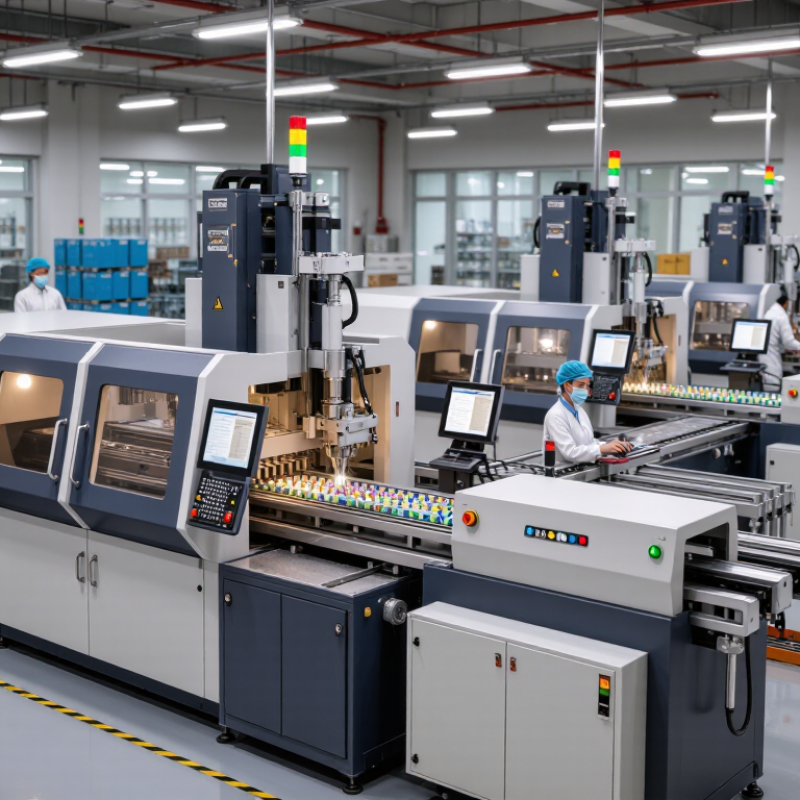
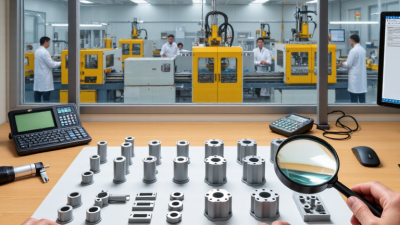
Precision injection molding produces small plastic parts with tight dimensions, smooth surfaces, and repeatable performance. It suits components where a fraction of a millimeter matters. Engineers begin with material selection, part design, mold flow analysis, and tolerance planning. The mold then guides heated resin into a carefully machined cavity.
The process includes clamping, injection, cooling, and ejection. Temperature, pressure, speed, and cooling time must remain stable. Even minor changes can create warpage, sink marks, flash, or incomplete filling. Quality teams often inspect critical dimensions with optical systems or coordinate measuring machines. Real production experience shows that a perfect digital model cannot fix weak tooling decisions. Some designs still need revision after testing.
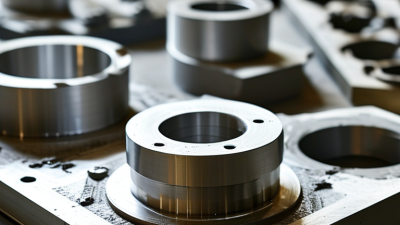
Applications include medical housings, laboratory components, optical parts, automotive sensors, and miniature electrical connectors. These products may require clean surfaces, controlled wall thickness, and dependable assembly. Material behavior also matters. Resins can shrink differently, especially around ribs, bosses, and uneven sections.
Tips: Keep walls as uniform as possible. Add suitable draft angles. Confirm tolerances with the molder before cutting steel. Test early.
Small details matter. A practical design may outperform a visually impressive one.
Top 10 Precision Injection Molding Suppliers Worldwide
Criteria for Ranking the Top 10 Global Suppliers
A credible ranking must measure capability, not advertising reach. The 2024 global injection molded plastics market assessment valued the sector at approximately USD 387.4 billion in 2023. It also projected a 4.8% annual growth rate through 2030 (Grand View Research). This scale makes supplier selection more technical and less obvious.
Quality receives the highest weighting. Audited ISO 9001 systems, process capability data, and documented corrective actions should lead the score. A supplier should show Cpk results for critical dimensions, not only inspection photos. Traceability matters too, from resin batches to cavity numbers. The ISO Survey 2023 recorded more than 1.26 million ISO 9001 certificates worldwide, but certification alone cannot prove molding performance.
Tooling expertise forms another major criterion. Ranking teams should examine mold-flow analysis, steel selection, cooling design, and actual cycle-time records. Medical and automotive projects require stronger validation evidence. Delivery reliability deserves measurable treatment, using on-time delivery rates and disruption records from the previous twelve months. Sustainability should include energy consumption per kilogram, scrap rates, and recycled-material controls.
Customer experience needs careful interpretation. A large factory may provide capacity, yet communication can still fail. That caveat matters. Rankings should combine site audits, verified customer references, and sample-part testing. Regional support, engineering response time, and annual capital investment can separate similar suppliers. No ranking is perfectly neutral; weighting methods can favor documented maturity over inventive smaller operations. That weakness deserves disclosure.
The leading suppliers differ by process control, tooling depth, and validation discipline.
Supplier One specializes in tight-tolerance components for laboratory equipment, using optical inspection and documented process studies.
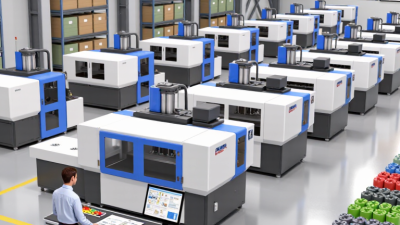
Supplier Two serves automotive programs with automated presses, mold-flow analysis, and stable cycle monitoring.
Supplier Three focuses on miniature parts, where a small flash defect can stop assembly. It uses micro-molding machines and detailed cavity inspections.
Supplier Four supports electronic housings and thin-wall designs. Its engineers review warpage, cooling channels, and material shrinkage before production.
Supplier Five operates controlled environments for medical components, with traceability from resin batches to final inspection.
Supplier Six combines insert molding with overmolding for complex assemblies. Its strength is integration, although tooling changes may require longer approval times.
Supplier Seven produces high-temperature polymer parts for demanding industrial applications. It emphasizes drying controls and barrel temperature stability.
Supplier Eight is known for rapid tooling and low-volume validation builds. This helps teams test fit before committing to full production.
Supplier Nine offers large-part molding, supported by robust presses and dimensional fixtures.
Supplier Ten combines regional manufacturing with international quality systems, helping customers manage supply continuity.
However, global coverage does not guarantee perfect communication. Drawings, tolerances, and inspection methods still need careful human review. No supplier is flawless. A credible comparison should examine audit records, sample parts, corrective-action history, and real production evidence rather than impressive equipment lists.
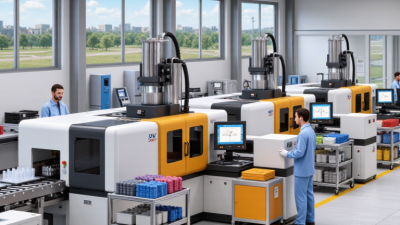
Selecting a precision injection molding supplier requires more than comparing quoted prices. Technology determines repeatability, cycle stability, and dimensional control. Look for validated molding machines, automated inspection, mold-flow analysis, and documented process parameters. For tight-tolerance parts, in-process monitoring matters. A small temperature drift can affect fit, surface finish, and assembly performance.
Material expertise is equally important. Suppliers should understand engineering polymers, flame-retardant grades, glass-filled compounds, and medical or food-contact requirements when applicable. Ask for resin traceability, drying records, and material certificates. Certifications such as ISO 9001 support quality systems, while ISO 13485 or IATF 16949 may suit specific industries. Certification alone is not proof of strong production. Audit results and sample consistency provide better evidence.
Tips: Request first-article inspection reports and capability data. Check whether the supplier measures critical dimensions on the actual production line. Review mold maintenance records, corrective-action reports, and backup plans for tool failure. A supplier may present impressive equipment but lack skilled process engineers. That gap deserves attention. No scorecard is perfect. Recheck assumptions after pilot production, because early samples can look better than normal output.
Selecting a precision injection molding supplier starts with the part, not a ranking table. Define critical dimensions, cosmetic zones, resin behavior, annual volume, and delivery risk. A medical housing needs documented process controls. A small sensor cover may need tight fit, clean edges, and fast design changes. Different projects demand different evidence. Evidence matters.
Ask suppliers to explain how they hold tolerances after tool wear, material shrinkage, and temperature changes. Review mold-flow analysis, inspection methods, first-article reports, and corrective-action records. Their equipment matters, but process discipline matters more. Confirm whether they can support tool design, prototype sampling, automated inspection, and stable production. Ask for sample parts from similar geometries. Photos are not enough. Also examine communication, because clear escalation paths often prevent expensive delays.
Cost comparisons should include tooling revisions, scrap, packaging, maintenance, and freight. A low piece price can hide weak validation or frequent manual sorting. Check quality certifications relevant to your industry, calibration records, traceability, and confidentiality controls. Visit the facility when practical, and watch an operator measure a part. That small observation can reveal a lot. I would not choose a supplier from one impressive audit alone. Audits capture one day, not every difficult shift. Use a staged trial with agreed acceptance limits, then review actual data before expanding volume. This approach is slower initially, but it exposes assumptions while changes remain affordable.
| Rank | Supplier Profile | Primary Region | Typical Precision Capability | Tooling & Production Range | Material Expertise | Quality & Validation Focus | Best Project Fit | Selection Checkpoint |
|---|---|---|---|---|---|---|---|---|
| 1 | Profile A — High-Precision Medical Specialist | Western Europe |
Dimensional tolerance typically ±0.01–0.03 mm; insert and cavity alignment commonly within 0.01 mm. |
Multi-cavity tooling; cleanroom-compatible molding; production volumes from 50,000 to several million parts annually. |
PEEK PPSU PEI PC POM | Process validation, lot traceability, dimensional inspection, and medical-device quality systems. | Surgical components, diagnostic consumables, fluid-management parts, and implant-adjacent components. | Confirm cleanroom class, biocompatibility documentation, validation protocol, and change-control process. |
| 2 | Profile B — Optical and Micro-Molding Specialist | East Asia |
Micro-features below 0.5 mm; optical surface requirements down to approximately Ra 0.02–0.05 µm; tight repeatability for miniature parts. |
Micro-injection molding, precision polishing, insert molding, and automated inspection. | PMMA PC COC COP LCP | Optical measurement, mold-flow analysis, contamination control, and cavity-to-cavity consistency. | Light guides, sensor housings, miniature optical assemblies, and microfluidic components. | Request optical test data, birefringence limits, surface-finish standards, and sample approval criteria. |
| 3 | Profile C — Automotive Engineering Molder | Central Europe |
Typical dimensional tolerance ±0.02–0.05 mm; capability for complex multi-material and insert-molded assemblies. |
Large and medium tooling; automated assembly; production programs commonly exceeding 100,000 parts per year. |
PA66 GF PBT GF TPE PC/ABS PPS | Automotive process audits, measurement-system analysis, capability studies, and end-of-line testing. | Sensors, connectors, powertrain components, interior mechanisms, and under-hood parts. | Verify temperature, chemical, vibration, aging, and applicable automotive customer-specific requirements. |
| 4 | Profile D — High-Volume Consumer Electronics Molder | Southeast Asia |
Typical tolerance ±0.03–0.08 mm; strong control of cosmetic surfaces, thin walls, and short cycle times. |
High-cavitation molds, robotic handling, hot-runner systems, and production from hundreds of thousands to tens of millions of parts. | PC/ABS PC ABS PA TPE | Automated visual inspection, appearance standards, process monitoring, and supply-chain scalability. | Wearables, handheld devices, smart-home equipment, and compact electronic enclosures. | Evaluate mold-life guarantees, cosmetic defect limits, ramp-up capacity, and contingency planning. |
| 5 | Profile E — Aerospace and Defense Precision Molder | North America |
Typical tolerance ±0.02–0.05 mm; engineering support for low-volume, high-complexity parts and controlled materials. |
Prototype-to-production tooling, insert molding, overmolding, and low-to-medium annual volumes. | PEEK PEI PPS Ultem-type PEI Flame-retardant grades | Configuration control, material certification, first-article inspection, and full manufacturing records. | Avionics housings, aerospace connectors, radar components, and mission-critical assemblies. | Confirm material traceability, export-control requirements, special-process approvals, and documentation retention. |
| 6 | Profile F — Toolmaking and Complex Insert-Molding Expert | Greater China |
Typical tolerance ±0.02–0.05 mm; strong capability in slides, lifters, threaded cores, inserts, and complex parting lines. |
Rapid tooling, hardened steel molds, multi-material molding, and flexible low-to-high volume production. | ABS PC POM PA GF Liquid silicone | Mold tryout reports, dimensional inspection, design-for-manufacturing support, and engineering change management. | Industrial controls, connectors, mechanical assemblies, and products requiring embedded metal parts. | Audit mold steel, spare-part policy, preventive maintenance plan, sampling approval, and communication controls. |
| 7 | Profile G — Cleanroom and Life-Science Molder | Northern Europe |
Typical tolerance ±0.02–0.05 mm; emphasis on particulate control, repeatability, and validated production processes. |
Cleanroom molding, automated assembly, ultrasonic welding, and medium-to-high volume production. | PP PE PC COC TPE | Environmental monitoring, hygiene controls, process validation, sterilization compatibility, and batch traceability. | Laboratory consumables, drug-delivery components, sample-handling products, and disposable assemblies. | Check cleanroom monitoring records, extractables and leachables support, sterilization data, and packaging controls. |
| 8 | Profile H — Engineering Plastics and Industrial Molder | Japan and South Korea |
Typical tolerance ±0.02–0.05 mm; reliable processing of reinforced, flame-retardant, and high-temperature polymers. |
Precision tooling, insert molding, metal-plastic integration, and stable medium-to-high volume production. | PPS LCP PBT PA66 GF PEEK | Material drying control, process-window studies, dimensional capability, and long-term production stability. | Electrical components, industrial sensors, semiconductor equipment, and high-temperature assemblies. | Confirm resin-drying specifications, fiber-orientation control, warpage data, and long-term material availability. |
| 9 | Profile I — Rapid Prototyping and Low-Volume Precision Molder | United Kingdom and Ireland |
Typical tolerance ±0.05–0.10 mm; optimized for fast design iterations, bridge tooling, and production validation. |
Aluminum or pre-hardened steel tooling, prototype inserts, short-run molding, and engineering-grade sampling. | ABS PC POM PP PA | Design-for-manufacturing review, rapid dimensional feedback, material comparison, and pilot-run reporting. | New product development, validation builds, replacement parts, and specialized low-volume equipment. | Compare total lead time, prototype-to-production transition plan, mold ownership, and engineering change costs. |
| 10 | Profile J — Sustainable and Recycled-Material Molder | Australia and New Zealand |
Typical tolerance ±0.05–0.10 mm; focus on repeatable processing of recycled, bio-based, and filled polymer grades. |
Small-to-medium tooling, insert molding, regional production, and flexible batch manufacturing. | Recycled PP Recycled ABS Bio-based PA TPE PC | Recycled-content verification, material batch testing, energy reporting, and design-for-recyclability support. | Consumer products, agricultural equipment, reusable packaging, and environmentally focused industrial parts. | Verify recycled-content percentage, color and property variation, environmental claims, and supply continuity. |
Note: Tolerance, surface finish, production volume, and material compatibility depend on part geometry, resin grade, mold design, equipment, and validation method. Always request capability studies, inspection reports, material certificates, and representative samples before supplier approval.