#4 – 20133 102nd Avenue, Langley, B.C. V1M 4B4 Canada

#4 – 20133 102nd Avenue, Langley, B.C. V1M 4B4 Canada
Choosing among the 2026 best injection molding contract manufacturers is not just a price comparison. A dependable partner must turn a part drawing into repeatable production, with clear decisions on resin, tooling, tolerances, and inspection. Small details matter: a gate mark near a sealing surface or inconsistent wall thickness can create costly rework.
The market is substantial, but published estimates depend on what each study counts. Grand View Research estimated the global injection molded plastics market at about $292.5 billion in 2023 and forecast growth through 2030. That figure signals scale, not supplier quality. Buyers still need to verify capabilities directly. Ask for relevant production examples, documented quality controls, material traceability, and realistic lead times. Then compare the answers.
That matters. Strong injection molding contract manufacturing combines engineering support with dependable production, from early design reviews to finished parts. This guide considers contract manufacturers by their tooling expertise, process controls, material range, capacity, and customer fit. A ranked list can help narrow the field, but it cannot judge every application. A medical component and a high-volume enclosure may need very different partners. Even an impressive facility tour proves little without consistent process data. Use the shortlist as a starting point, and confirm claims against your own part requirements before selecting a manufacturer.
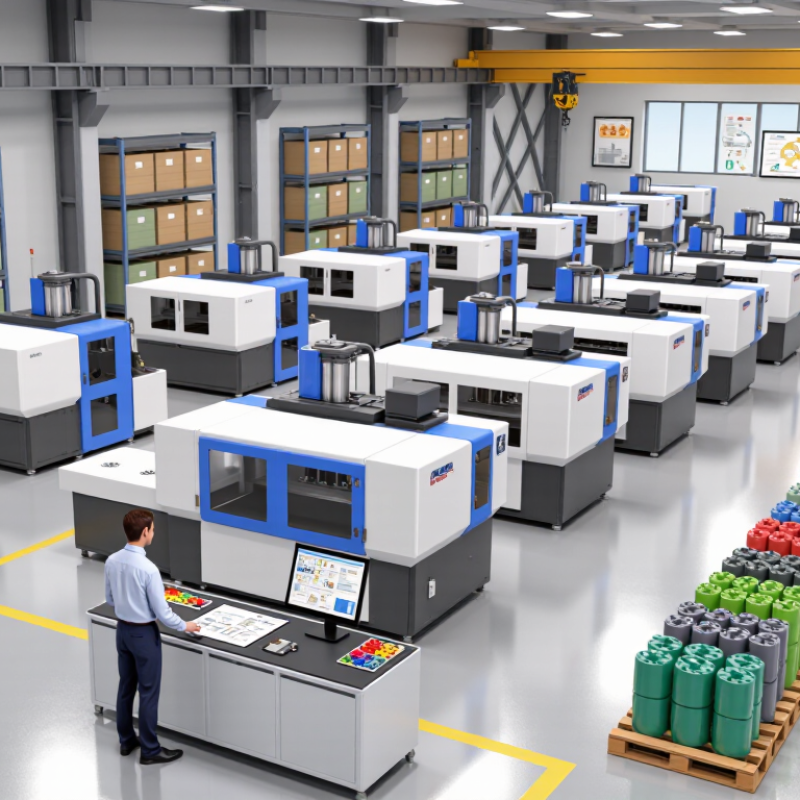
Injection molding contract manufacturers turn a product design into repeatable production. Their work starts before the mold is cut. Engineers review wall thickness, draft angles, ribs, shrinkage, and likely molding defects. They may recommend a material change or relocate the gate. Small changes can prevent sink marks, warpage, and expensive tooling revisions.
The commercial impact is significant. Grand View Research estimated the global injection molding market at about USD 171.8 billion in 2023, with continued growth through 2030. As volumes rise, contract manufacturers manage more than machine time. They source resin, build or maintain molds, run sampling trials, measure first articles, and control production records. A capable team also monitors cavity pressure, moisture, cycle time, and dimensional capability. Quality evidence should be practical, not decorative.
They also coordinate packaging, inventory, secondary assembly, and shipment scheduling. For regulated applications, they maintain traceability and documented process controls. The exact scope varies by supplier and project. No manufacturer is flawless. A clean first-article report can still hide tool wear or unstable cooling. That is why experienced teams review early production data, inspect parts from different cavities, and repeat validation when materials change. The 2024 Plastics Industry Association outlook also linked industry performance to resilient demand and manufacturing efficiency, increasing pressure on suppliers to reduce scrap and downtime. In practice, the best partnership depends on transparent reporting, realistic tolerances, and communication when a process performs poorly.
In 2026, evaluating an injection molding partner starts with evidence, not broad claims of advanced capability. Ask for recent examples of parts similar in size, resin, and tolerance to yours. Review process validation records, inspection plans, and how defects are tracked from press to shipment. Numbers matter. Check whether the facility’s machine tonnage and shot capacity fit your part, but also ask how it controls temperature, pressure, and cycle variation. A capable team can explain its choices in plain language.
Quality documents are useful, but watch the process in action. Ask to see a mold changeover, first-article inspection, and a sample production record. Ask to see it. Confirm who owns the tooling, how maintenance is logged, and how design changes are approved. Traceability should connect material lots to finished parts. Discuss resin availability, backup plans, and realistic lead times rather than relying on a best-case quote. A polished presentation can still hide weak handoffs. No scorecard captures every shop-floor surprise, so leave room for a second review after technical discussions. Notice whether the manufacturer flags risks early, including cosmetic limits, difficult ejection, or tolerances that may raise scrap rates. A direct answer is useful; a documented answer is better.
A strong injection molding partner should do more than press resin into a tool. Compare design-for-manufacturing support, mold-flow analysis, tooling ownership, and experience with your part’s geometry. Ask which molding presses, clamping forces, and shot sizes fit your parts. Then check whether the supplier can manage material drying, color changes, and secondary operations like trimming or assembly. Small details matter. Request sample inspection records, process capability data, and a clear plan for tool maintenance and engineering changes. A polished quote alone proves little.
Deloitte and MAPI’s 2024 Smart Manufacturing and Operations Survey found that 86% of surveyed executives expect smart manufacturing to drive competitiveness within five years. For buyers, that makes useful production data worth comparing: can the supplier track cycle times, downtime, scrap, and inspection results by production run? Confirm how it handles first-article approval, traceability, and corrective actions when dimensions drift. Review relevant quality certifications, but verify the actual scope and site. Ask for a sample control plan. Also compare realistic lead times, backup capacity, and resin sourcing options. The quote may look tidy; production rarely does. A supplier should explain its assumptions, including minimum order quantities and what happens when tooling needs adjustment.
Material expertise is one useful capability to compare when evaluating contract manufacturers.
Representative densities for common unfilled resin grades, in g/cm³. Actual values vary by grade and formulation; confirm material experience and processing requirements directly with each manufacturer.
The leading injection molding contract manufacturers tend to specialize rather than serve every project equally well. High-volume producers focus on cycle time, automated part handling, and consistent output across long production runs. Precision molders may be better suited to tight tolerances, small components, or complex geometries. The right fit depends on the part, not a broad “best” label.
Some manufacturers concentrate on insert or overmolding, where metal components or soft-touch materials are combined with molded plastic. Others offer engineering support, mold building, assembly, and packaging under one roof. Ask how they control resin drying, mold temperature, and inspection frequency. Those details affect repeatability. A capability sheet alone is not enough.
For a real comparison, share drawings, material requirements, expected volumes, and critical dimensions with potential suppliers. Ask for examples of similar work and how they handled defects or design changes. That distinction is easy to miss. A polished sample can hide production challenges, and a low quoted price may exclude tooling maintenance or secondary operations. Review quality records and communication practices before committing.
2026 Best Injection Molding Contract Manufacturers? How to Select and Qualify a Manufacturing Partner
Selecting a molding partner requires more than comparing hourly rates. Deloitte’s 2023 Global Supply Chain Risk and Resilience Survey found that 79% of surveyed leaders had redesigned supply networks. That finding supports a practical question: can the supplier recover when resin, tooling, or labor suddenly becomes unavailable?
Request evidence, not promises. Review ISO 9001 certification, process-control records, material traceability, and recent customer audit results. The ISO Survey 2023 recorded more than 1.2 million ISO 9001 certificates worldwide, but certification alone does not prove strong molding performance. Walk through the production floor. Check drying logs, mold-maintenance tags, gauge calibration, and rejected parts beside the press.
Ask for capability data from similar parts. Useful measures include CpK, scrap rate, on-time delivery, corrective-action speed, and first-pass yield. Require a documented qualification plan covering DFM review, mold trials, dimensional inspection, and change control. For regulated applications, verify sector-specific controls before signing a supply agreement.
Small tests reveal large weaknesses.
Send a pilot tool or limited production batch. Measure warpage, flash, color consistency, and cycle stability across several shifts. One common mistake is accepting a polished sample from a single day. That sample may hide operator variation or unstable moisture control. I would also score communication, because delayed answers often become delayed production. Competence matters, but transparency is easier to verify.