#4 – 20133 102nd Avenue, Langley, B.C. V1M 4B4 Canada

#4 – 20133 102nd Avenue, Langley, B.C. V1M 4B4 Canada
Why Choose Rapid Prototyping Injection Molding?
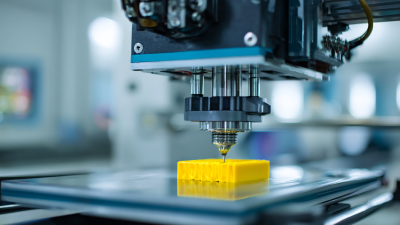
Product teams rarely need another attractive prototype. They need evidence that a part can survive tooling, assembly, handling, and real customer use. Rapid prototyping injection molding creates that evidence with production-grade materials, realistic wall thicknesses, and functional surface finishes. A polypropylene enclosure, for example, can reveal snap-fit stress that a 3D-printed model may hide.
The business case is becoming clearer. The Wohlers Report 2024 valued the global additive manufacturing industry at $20.035 billion in 2023, showing strong demand for faster product development tools. However, additive manufacturing is not always the best route for molded parts. Injection molding prototypes can expose gate marks, sink defects, warpage, and ejection problems before expensive steel tooling begins. That practical feedback can prevent costly redesigns.
Speed matters.
A prototype mold may use aluminum or soft steel, depending on volume, geometry, and expected trials. Engineers can then test the actual resin, cooling behavior, and assembly sequence. The process also supports early customer samples and limited market validation, not just internal demonstrations.
Still, rapid prototyping injection molding is not a magic shortcut. Tooling decisions may fail when teams ignore draft angles, parting lines, tolerances, or material shrinkage. ISO 20457 provides useful guidance for molded plastic parts, but every application still requires engineering judgment. The 2024 Deloitte Global Manufacturing Industry Outlook also emphasizes resilience, cost control, and flexible production. Those priorities make rapid tooling attractive, although the cheapest mold is rarely the most reliable choice. Careful design reviews, documented trial results, and honest failure analysis create the strongest path from concept to production.
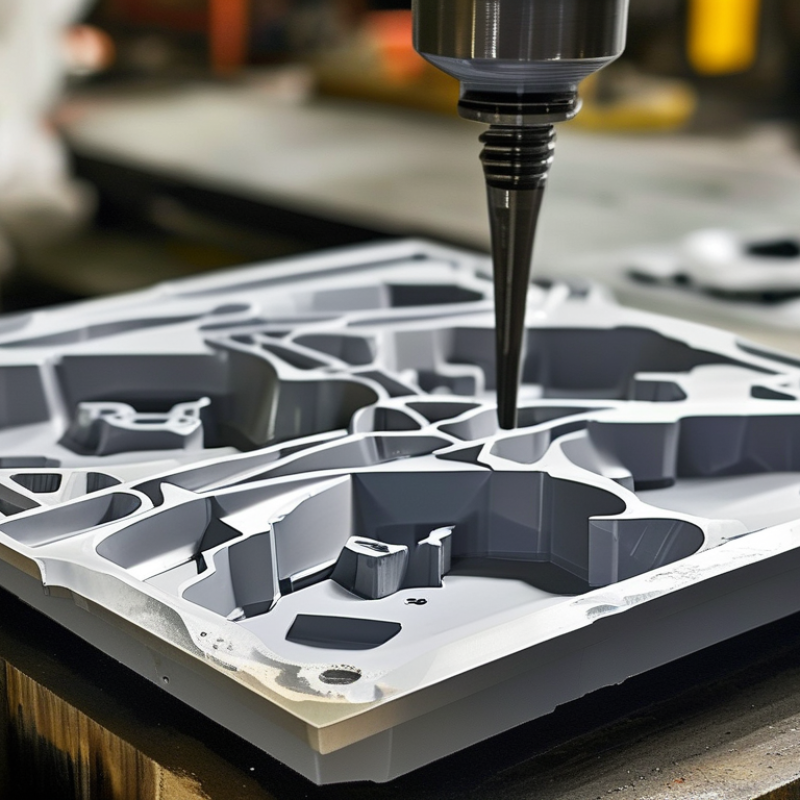
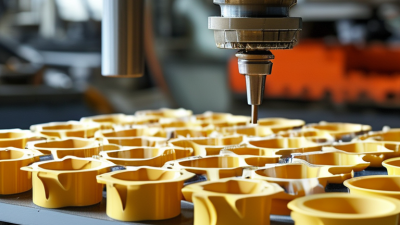
Rapid prototyping injection molding means producing real plastic parts with temporary or simplified molds. It is more than a visual prototype. Engineers can test fit, texture, wall thickness, assembly, and real material behavior. Aluminum molds often support short production runs and faster design changes. This method sits between 3D printing and full-scale tooling. It gives teams practical evidence before they invest heavily.
The business case is measurable. MarketsandMarkets’ 2024 analysis forecasts the injection molding plastics market to reach about USD 233 billion by 2028. Meanwhile, the Wohlers Report 2024 valued the global additive manufacturing market at USD 20.0 billion in 2023. These figures show why both methods matter.
Injection molding still reveals details that printed parts may hide, including sink marks, weld lines, and ejection problems. A prototype can still lie. A mold can expose the truth earlier, though not perfectly.
Tips: Define the test before cutting the mold. Check material shrinkage, draft angles, and gate locations with your molder. Request a small pilot batch, then inspect every cavity. Do not treat rapid tooling as risk-free. Its lower cost may encourage rushed decisions. That lesson is easy to miss. Also, confirm dimensional results after cooling, because a part can leave the mold looking correct and shift later. In my experience, the best prototype is not the prettiest one. It is the one that reveals an uncomfortable design flaw.
Rapid prototyping injection molding turns a digital concept into a usable plastic part quickly. The process begins with a manufacturability review of the CAD model. Engineers check wall thickness, draft angles, ribs, holes, and likely shrinkage. These details matter because plastic must flow evenly through the mold.
After approval, a compact mold is machined from a suitable metal or durable tooling material. The mold includes cavities, runners, gates, and cooling channels. Molten plastic then enters under controlled pressure and fills the cavity. Sensors and process records help technicians monitor temperature, pressure, cycle time, and part weight. The molded part is removed, trimmed, and inspected against the drawing.
The first shot is rarely perfect. A small sink mark may appear near a thick rib. A thin edge may cool too early. Technicians adjust the gate, holding pressure, or cooling time, then produce another sample. This hands-on iteration reveals problems that a screen cannot show. It also exposes weak assumptions in the original design. Dimensional checks, visual inspection, and basic functional testing provide evidence before larger production decisions. Rapid tooling can reduce development risk, but it does not remove it. Careful documentation remains essential.
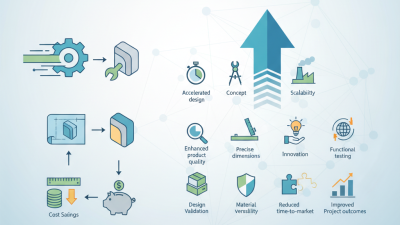
Rapid prototyping injection molding shortens the distance between a CAD model and a usable part. Traditional steel tooling can require several weeks before the first molded sample appears. Rapid tooling often delivers initial parts within days or a few weeks, depending on geometry and material. This speed supports earlier fit, function, and assembly testing. According to Grand View Research’s 2023 Injection Molding Machine Market report, the global market was valued at about USD 15.77 billion in 2022 and is projected to grow at 4.6% annually through 2030. Such growth reflects strong demand for efficient, repeatable production methods.
The financial advantage is equally practical. Engineers can test gate locations, wall thicknesses, textures, and tolerances before committing to hardened production tooling. Design changes remain less expensive at this stage. Real production-grade resin also reveals shrinkage and warpage that 3D printing may hide.
The trade-off is real. Soft tooling may offer fewer cycles and less dimensional stability. It is not magic. A rushed mold can still create flash, uneven cooling, or difficult ejection.
The Wohlers Report 2024 valued global additive manufacturing at USD 20.035 billion in 2023, showing how quickly digital prototyping is expanding. Yet molded prototypes remain valuable when teams need realistic strength, surface finish, and assembly behavior. For low-volume validation, bridge production, or late-stage design checks, rapid molding can reduce risk without forcing a full tooling investment too early.
Rapid prototyping injection molding suits projects that need real parts, not just visual models. It is especially useful when a product design is nearly stable but still needs functional testing. Engineers can inspect wall thickness, snap fits, surface texture, and assembly behavior with production-like materials. A small batch may reveal defects that computer simulations miss. That practical evidence often improves design decisions before full-scale tooling begins.
This method works well for low-to-medium production volumes, pilot programs, and time-sensitive product launches. Aluminum or soft-steel molds can shorten development schedules compared with hardened production tooling. However, it is not automatically the cheapest option. Very simple parts may cost less through other processes, while frequent design changes can make mold revisions expensive. Early estimates can be wrong. Review expected quantity, material choice, tolerance requirements, and mold life with an experienced manufacturing engineer.
Tips: Confirm the part’s draft angles before tool design. Keep wall thickness as uniform as possible. Request a dimensional inspection report for the first molded samples. Test parts under realistic heat, pressure, and assembly conditions. Do not judge performance from appearance alone. A glossy surface may hide stress, warpage, or weak internal sections. Allow time for one correction cycle, because first-shot perfection is uncommon.
Why Choose Rapid Prototyping Injection Molding?
Rapid prototyping injection molding helps teams test realistic parts before committing to full-scale production. Unlike printed samples, molded parts reveal actual strength, surface texture, shrinkage, and assembly behavior. Material selection deserves careful attention. A rigid resin may protect dimensions, while a flexible resin can improve impact resistance. Heat exposure matters too. A part used near an engine needs different performance from a handheld enclosure. Small details matter.
Tooling decisions directly affect cost and schedule. Aluminum tooling may support fast trials, but it can wear sooner during repeated testing. Soft steel offers longer life, although machining may require more time and money. Mold design also influences part quality. Gate location, draft angles, cooling channels, and venting can prevent warping or trapped air. In practice, the lowest tooling quote is not always the lowest total cost. Revisions, rejected parts, and delayed testing can quickly change the calculation. The first estimate is rarely perfect.
Tips: Confirm resin properties with a technical data sheet. Request shrinkage allowances before mold cutting. Compare tooling cost, expected volume, and revision risk together. Keep critical dimensions documented. A small drawing gap can create a large production problem. Review two or three design iterations before approval. However, excessive refinement can delay useful feedback, so the right stopping point requires judgment.