#4 – 20133 102nd Avenue, Langley, B.C. V1M 4B4 Canada

#4 – 20133 102nd Avenue, Langley, B.C. V1M 4B4 Canada
When considering manufacturing options, rapid injection molding stands out for its efficiency and precision. Industry expert Dr. Emily Carter, a veteran in polymer processing, states, "Rapid injection molding can significantly reduce time-to-market while maintaining high-quality standards." This method allows companies to produce complex parts quickly, aligning with today's fast-paced market demands.
However, choosing the right rapid injection molding provider requires careful evaluation. Not all manufacturers offer the same level of service or expertise. Factors such as material selection, mold design, and production speed vary widely. It’s crucial to understand these variables to avoid potential pitfalls.
Additionally, rapid injection molding is not a one-size-fits-all solution. Businesses must reflect on their unique needs, budget constraints, and production volumes. Some may find that traditional methods better fit their requirements. A thoughtful approach ensures that the benefits of rapid injection molding align with your manufacturing goals.
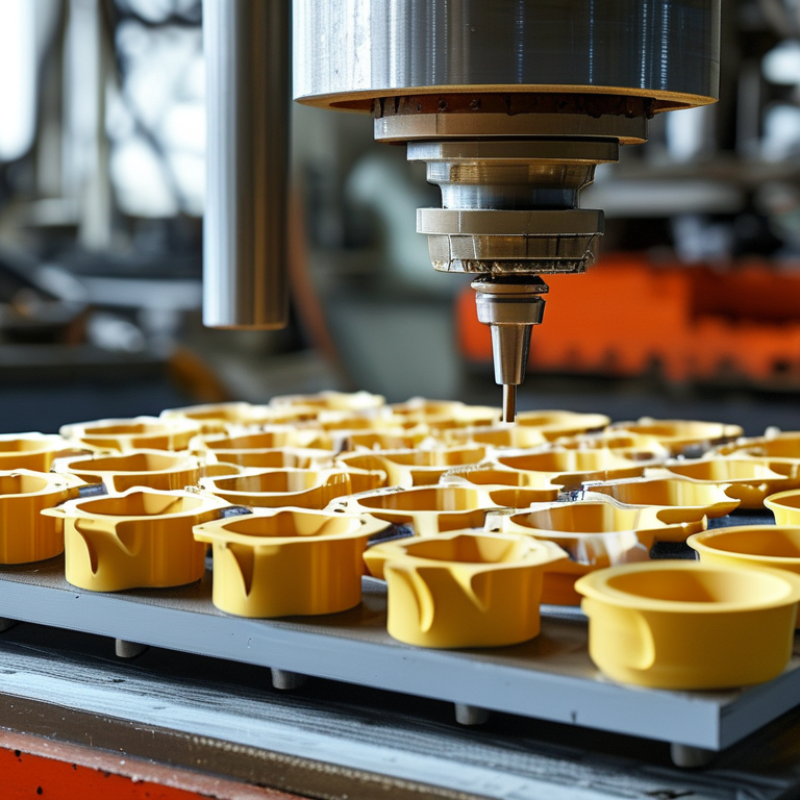
Choosing the right rapid injection molding services can be a complex task. Different factors play a vital role. One major consideration is material selection. The type of plastic used affects durability, cost, and production speed. Ensure that your chosen service can accommodate the specific materials your project requires. They should provide various options to match your product's needs.
Another important factor is production capacity. Assess how many parts you need and the timelines for your project. Some services may promise quick turnarounds, yet fail to deliver due to inadequate equipment or staffing. Ask for samples and production timelines to gauge reliability. Additionally, evaluate the technical expertise of the service provider. Their experience in your industry can significantly impact the quality of the final product. Look for companies with a proven track record in projects similar to yours.
Cost is also essential, but don’t make it your only focus. Low prices might indicate lower quality. A balance between cost and quality ensures that you get value from your investment. It’s crucial to reflect on whether the service aligns with your long-term production goals. Each of these factors deserves careful thought. Making an informed choice today will benefit your manufacturing needs in the future.
Rapid injection molding presents distinct advantages for manufacturers seeking efficiency and speed. It significantly reduces lead times, enabling companies to shorten product development cycles. The process uses advanced technology that quickly produces high-quality prototypes and parts. This rapid turnaround allows businesses to meet market demands more effectively.
Additionally, rapid injection molding supports complex designs without sacrificing quality. It accommodates varied materials, offering flexibility for different applications. However, it's crucial to be aware of potential limitations, such as higher initial costs for small production runs. Companies should evaluate their production volume to determine if the benefits outweigh these challenges. The decision to adopt rapid injection molding should align with overall manufacturing goals and resource availability.
Exploring the nuances of rapid injection molding can lead to innovative solutions. Each project may reveal unique challenges that require careful assessment. Engaging with experts in the field can provide insights that improve outcomes and reduce mistakes. This collaborative approach fosters continuous improvement in the manufacturing process.
When selecting materials for rapid injection molding, several key criteria must be considered. The choice of resin impacts not only the cost but also the final product’s durability and aesthetic appeal. In 2021, a report by the Plastics Industry Association highlighted that over 70% of manufacturers prioritize material strength in their projects. Understanding these properties can affect the overall performance and lifespan of molded parts.
Cost-effectiveness is also crucial in material selection. A study by Research and Markets indicated that the global injection molding market is expected to reach $455 billion by 2027, indicating a strong demand for cost-efficient solutions. Evaluating both raw material prices and production time is essential. Interestingly, some manufacturers overlook the importance of lead time, which can drastically alter project timelines and budgets.
Moreover, the intended application of the final product guides material choices. For instance, medical device components require biocompatible materials due to stringent regulations. A discrepancy in this can lead to compliance issues and additional costs. A well-rounded understanding of these factors fosters a balanced approach to selecting materials, with manufacturers sometimes needing to reassess their assumptions about material limitations.
When considering manufacturing costs, comparing rapid injection molding with traditional methods is crucial. Rapid injection molding often offers a faster turnaround time. However, initial setup costs can be higher. It allows for quick iterations, which can reduce overall costs in long-term production.
Traditional methods may seem cheaper initially. Yet, they can lead to higher expenses over time due to longer lead times and slower prototyping. Taking into account material wastage is essential. Rapid injection molding can minimize waste, further offsetting its higher upfront costs.
Despite its advantages, rapid injection molding isn't perfect. The technology has limitations, particularly for complex geometries. Designers must adapt, which may lead to compromises. Understanding the material and design constraints is key for success. This cognitive flexibility is necessary in decision-making, as it reflects the evolving nature of manufacturing needs.
Rapid injection molding is a powerful tool for manufacturers seeking efficiency. Evaluating turnaround times is crucial for selecting the right method. When production speed is a priority, rapid injection molding offers significant time savings over traditional techniques. The process utilizes advanced technology, allowing quicker cycle times and reduced lead times. This means that prototypes and products can reach the market faster.
Production efficiency is another key factor. Rapid injection molding reduces material waste while maintaining high-quality finishes. It often employs precise machine settings that minimize defects and variations. However, it is essential to consider the initial setup costs. The investment in specialized molds can be substantial. Still, for larger production runs, the long-term savings tend to outweigh the initial expense. Businesses should weigh these factors carefully.
Using rapid injection molding can lead to strong outcomes, but challenges exist. Companies may face fluctuations in production demand. This requires flexibility in manufacturing plans. Adjusting to market changes can be tricky. Careful planning and consideration of these aspects are vital for success. Ultimately, understanding turnaround times and production efficiency will guide manufacturers in their decision-making process.