#4 – 20133 102nd Avenue, Langley, B.C. V1M 4B4 Canada

#4 – 20133 102nd Avenue, Langley, B.C. V1M 4B4 Canada
The landscape of injection molding contract manufacturing is rapidly evolving. Companies are embracing new technologies to optimize production. Efficiency and sustainability play a crucial role in this transformation. Manufacturers are focusing on reducing waste and energy use. These trends bring both opportunities and challenges.
One notable trend is the adoption of automation. Automation enhances precision and reduces labor costs. However, it requires significant upfront investment. Another shift involves the use of advanced materials. These materials can improve product durability and performance. Yet, they may pose challenges in processing and supply chain management.
The rise of customization is also prominent. Clients are seeking unique solutions tailored to their needs. This demands flexibility from manufacturers. They must be agile and responsive. As with any industry shift, there are growing pains and hurdles to overcome. Balancing innovation and cost-effectiveness remains a key concern for many firms in injection molding contract manufacturing.
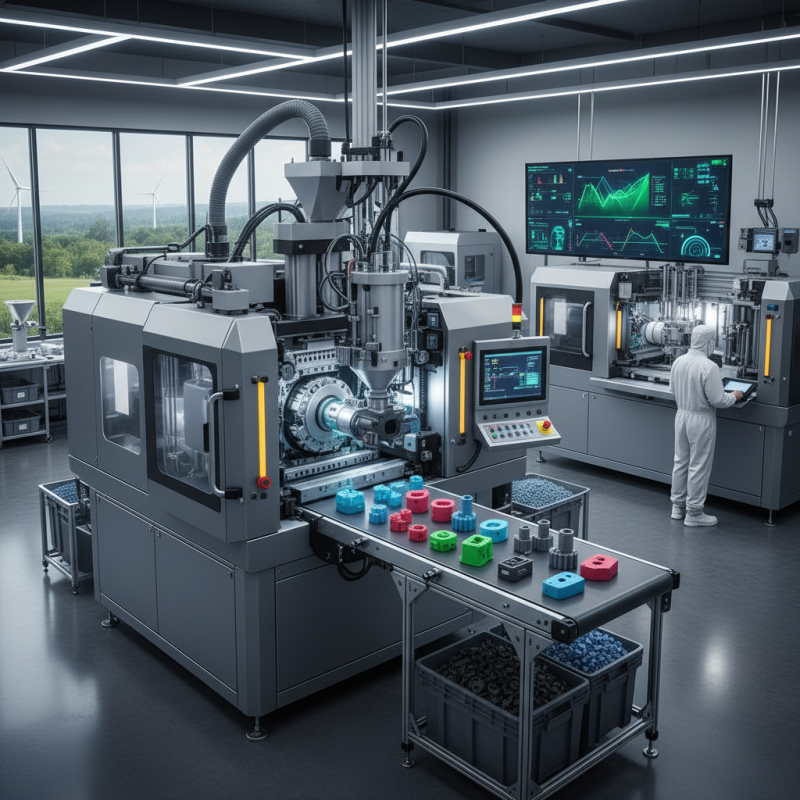
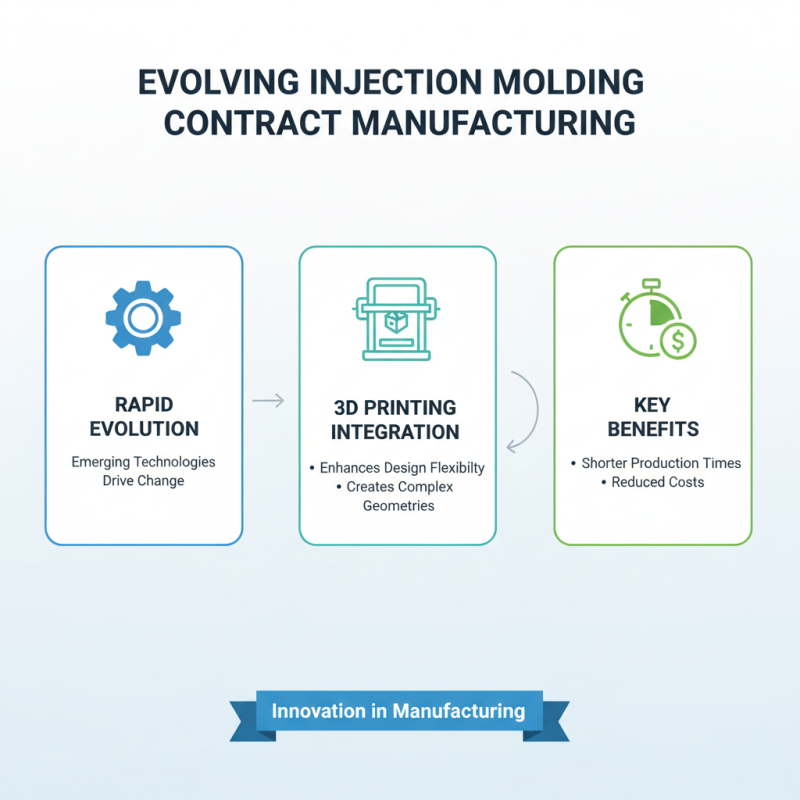
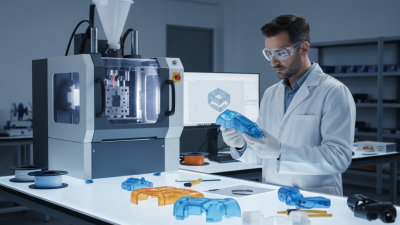
The landscape of injection molding contract manufacturing is evolving rapidly. Emerging technologies play a crucial role in this shift. For instance, the integration of 3D printing enhances design flexibility. It allows manufacturers to create complex geometries that were once challenging. This capability can lead to shorter production times and reduced costs.
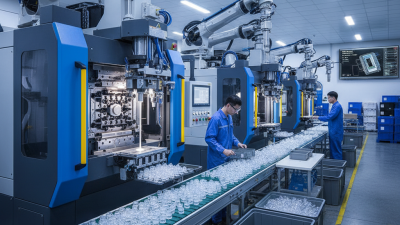
Another trend is the rise of automation. Advanced robotics streamline the injection molding process. Automated systems can improve efficiency and reduce human error. However, the implementation of these technologies often requires significant investment and training. Small manufacturers may struggle to keep pace with larger firms that have more resources.
Sustainability is also a concern. Biodegradable materials are gaining traction in injection molding. Yet, issues remain regarding material performance and cost. While these innovations are promising, challenges must be addressed for widespread adoption. The balance between innovation and practicality will define the future of this industry.
Sustainability has become a focal point in injection molding. The industry is increasingly adopting eco-friendly practices to reduce environmental impact. According to a 2023 report from a leading industry association, nearly 70% of manufacturers are implementing sustainable materials. This includes bio-based and recycled plastics. Such materials cut down on fossil fuel dependency.
Energy consumption in injection molding is another critical area. Studies show that energy-efficient machines can reduce energy use by up to 30%. However, not all manufacturers have made the switch. Some still rely on older machinery, missing out on savings and sustainability. The initial investment can deter change, but long-term benefits are undeniable.
Waste management practices are also evolving. Many companies are now recycling production scraps. A recent survey indicated that about 60% of firms are working towards a zero-waste operation. Yet, there’s still a way to go. Not all organizations are mindful of their waste streams, leading to unnecessary landfill contributions. The urgency for better practices is clear. Sustainable injection molding requires collective effort.
| Trend | Description | Impact | Year Introduced |
|---|---|---|---|
| Use of Bio-based Materials | Incorporating materials derived from renewable sources to reduce carbon footprint. | Decreases reliance on fossil fuels, improves sustainability ratings. | 2020 |
| Energy-efficient Machinery | Investment in machinery that uses less energy during the molding process. | Reduces operational costs and minimizes environmental impact. | 2021 |
| Recycling of Scrap Material | Implementing processes to recycle scrap and waste from production. | Less waste sent to landfills, better resource management. | 2019 |
| Adoption of Circular Economy Principles | Designing products with their end-of-life in mind to promote reuse and recycling. | Encourages product longevity and reduces material consumption. | 2022 |
| Smart Manufacturing Technologies | Utilizing IoT and AI technologies to optimize injection molding processes. | Increases efficiency, reduces waste, enhances product quality. | 2023 |
Customization and personalization are reshaping injection molding solutions. Companies now demand specific designs tailored to their unique needs. This shift is prompting manufacturers to innovate continuously. They focus on smaller batches with intricate details. Achieving precision in each piece is crucial. Yet, balancing this with production efficiency poses a challenge.
A notable trend is the use of advanced technologies. 3D printing complements traditional methods. It enables rapid prototyping and quick adjustments to designs. However, this approach can lead to inconsistencies. Manufacturers often find it hard to maintain quality across different projects. Using automated processes may help, but it requires careful oversight.
Clients expect faster turnaround times. They seek solutions that reflect their brand identity. Some manufacturers struggle to keep up. Communication is key but can be overlooked. Misunderstandings about design specifics often arise. Adaptability is essential, but not all teams are prepared for it. This reality prompts a need for reflection on current practices.
Industry 4.0 is reshaping injection molding processes significantly. Automation and smart technology revolutionize manufacturing. These advancements lead to improved efficiency and reduced waste. Real-time data analysis helps manufacturers optimize production.
Adopting smart sensors is crucial. These sensors monitor equipment performance and detect issues early. This proactive approach minimizes downtime. Implementing machine learning algorithms also enhances production. It predicts maintenance needs, ensuring consistent output.
Tips: Start small. Implement one smart technology at a time. Assess its impact before expanding. Engage with your workforce. Their insights can uncover hidden inefficiencies. Regularly review processes and adapt to new technologies. Reflection is essential for continuous improvement.
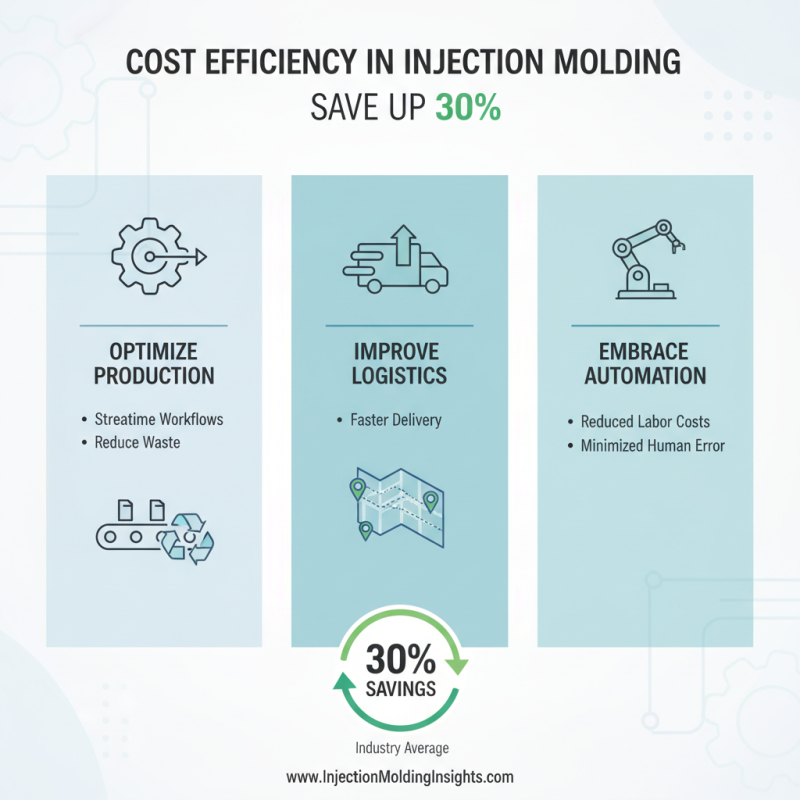
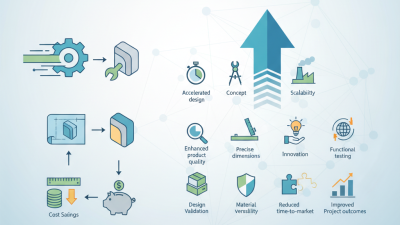
Cost efficiency is a critical concern in injection molding contract manufacturing. Recent industry reports indicate that manufacturers can save up to 30% by optimizing their production processes. Streamlining workflows, reducing waste, and improving logistics play key roles in achieving these savings. Companies are increasingly utilizing automation to enhance efficiency. This transition can reduce labor costs and minimize human error.
Another trend is the rise of additive manufacturing techniques that complement traditional injection molding. These techniques can lower prototyping costs significantly. A study showed that integrating 3D printing into the injection molding process reduced initial tooling time by nearly 25%. This allows for faster market entry and a better response to customer demands. However, relying too heavily on these technologies raises questions about quality control and consistency.
Furthermore, evaluating suppliers based on their cost efficiency metrics is becoming common. Many manufacturers fail to consider hidden costs associated with supply chain disruptions. Recent surveys indicate that 40% of firms experience unplanned outages that affect their bottom line. This gap highlights the need for a thorough review of supplier performance. As the industry evolves, it's essential to balance innovation with practical cost strategies while remaining vigilant about potential pitfalls.