#4 – 20133 102nd Avenue, Langley, B.C. V1M 4B4 Canada

#4 – 20133 102nd Avenue, Langley, B.C. V1M 4B4 Canada
When it comes to selecting a Water Heater Heating Element, knowledge is crucial. According to industry expert John Thompson, "Choosing the right heating element determines your water heater's efficiency and lifespan." With various options available, understanding their functions and compatibility is vital.
Water Heater Heating Elements can vary significantly in quality and performance. Some may promise fast heating but can lead to higher energy costs. Factors like wattage, material, and design influence their efficiency. It's essential to evaluate these aspects to ensure you invest wisely.
Additionally, not every element suits every water heater model. In some cases, users find themselves confused about the fitting. This can result in frustration and additional costs. Without proper research, mistakes are common. Therefore, it's important to gather reliable information before making a purchase.
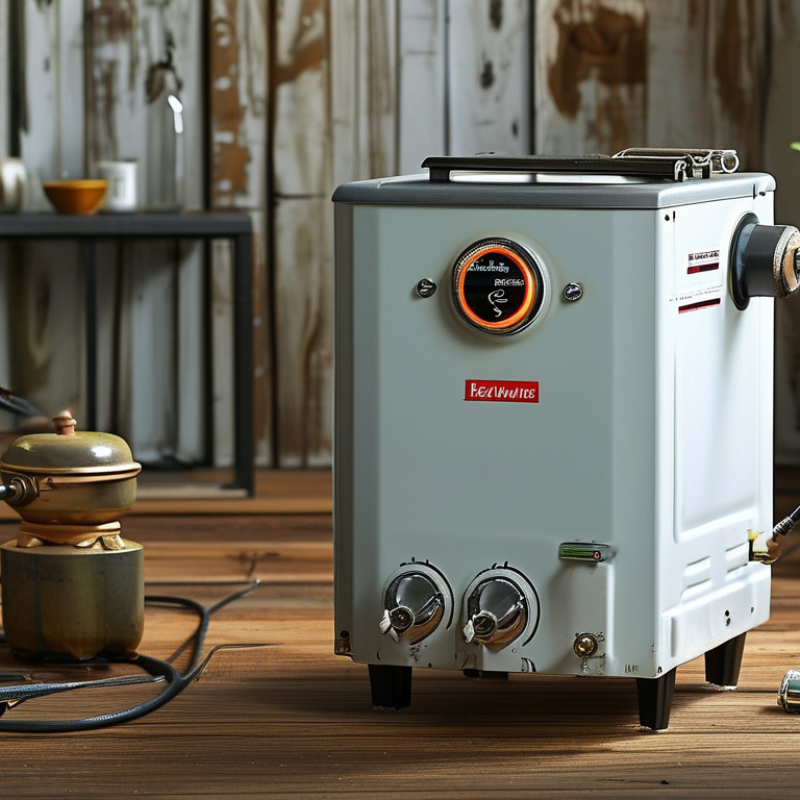
When considering the heating elements of a water heater, it's essential to grasp their core functionalities. Heating elements are critical components that directly impact the efficiency and performance of water heaters. Understanding their types and materials helps consumers make informed choices. For example, most heating elements are made from copper or stainless steel, which affects durability and heat transfer.
Installation is another factor for consideration. Incorrect installation can lead to reduced performance and increased energy bills. Some homeowners might choose to install elements themselves, but a lack of experience can lead to errors. Seeking professional help ensures that the elements are correctly placed and function effectively. Maintenance is also crucial. Regularly checking for mineral buildup can prevent long-term damage.
It can be overwhelming to choose the right element, given their variety. Each type has distinct advantages and drawbacks. For instance, some may heat water faster but at a higher cost. Engaging with specialists in the field can offer clarity. Consumers should weigh their options carefully. The right decision can lead to improved comfort and efficiency.
In the world of water heaters, understanding heating elements is crucial. There are primarily two types: direct and indirect heating elements. Direct elements immerse in water, providing rapid heating. They generally have higher efficiency, quickly raising water temperature. A report from the U.S. Department of Energy shows that direct heating can save 10-15% in energy usage compared to indirect systems.
Indirect heating elements, often found in larger systems, heat water through a heat exchanger. They are less efficient, taking longer to warm up the water. Yet, they are necessary for large-scale applications. According to a study by the American Society of Heating, Refrigerating and Air-Conditioning Engineers, indirect systems effectively manage heating demands in bigger households or commercial settings.
Choosing the right heating element is not only about efficiency. Factors like longevity and maintenance play significant roles. Short-lived elements can lead to frequent replacements. Regular maintenance checks are essential. Ignoring this can result in inefficiencies. Users might notice increased energy bills or inconsistent water temperature. Balancing efficiency and durability is vital when selecting a water heater.
When considering a new heating element for your water heater, several key features are essential. The wattage plays a crucial role in heating efficiency. Higher wattage means quicker heating. However, it can also lead to higher energy bills. Finding the right balance is vital for both performance and cost.
Another important aspect is material. Stainless steel and copper are popular choices. They offer durability and corrosion resistance. However, they can vary in price and longevity. You'll need to weigh the upfront costs against potential replacements in the future.
Compatibility with your existing system cannot be overlooked. Not all heating elements fit every water heater model. Check the specifications carefully before purchasing. Sometimes, a mismatch can cause inefficiencies or even damage. Taking the time to ensure compatibility is often overlooked but can save significant headaches later.
When exploring the water heater heating element market, consumers should consider various top brands and products. These elements directly impact efficiency and durability. Selecting the right product ensures consistent hot water supply. Users often face confusion due to the overwhelming options available.
Quality matters. Some brands are known for long-lasting elements. Their designs often feature corrosion-resistant materials, extending their lifetime. However, not all products live up to expectations. Many users report inconsistent performance, highlighting the importance of thorough research before making a purchase. Shopping for heating elements requires attention to detail.
Knowledge about warranties is essential as well. Brands with robust warranties signal confidence in their products. On the other hand, limited warranties may reflect lower quality standards. Additionally, reviews and user experiences should guide decisions, helping to identify reliable options. Ultimately, making an informed choice contributes significantly to water heater performance.
| Rank | Type | Wattage | Voltage | Material | Average Price ($) |
|---|---|---|---|---|---|
| 1 | Immersion | 4500 | 240 | Copper | 29.99 |
| 2 | Flange | 3500 | 240 | Stainless Steel | 34.99 |
| 3 | Dry | 3000 | 120 | Ceramic | 22.50 |
| 4 | Titanium | 4000 | 240 | Titanium | 49.99 |
| 5 | Copper | 4500 | 240 | Copper | 40.00 |
| 6 | Ultra High Efficiency | 5000 | 240 | Copper | 55.99 |
| 7 | Flexible | 3000 | 240 | PVC | 32.50 |
| 8 | Screw | 4000 | 120 | Brass | 27.25 |
| 9 | Flat | 6000 | 240 | Aluminum | 66.99 |
| 10 | Radiant | 7500 | 240 | Glass | 120.00 |
To ensure the longevity of your water heater heating elements, regular maintenance is essential. The first step is to inspect your heating elements at least once a year. Look for signs of wear and corrosion. Inspect the connections for any loose wires or moisture. These issues can lead to poor performance or complete failure.
Another key aspect is flushing the tank. Sediment buildup can greatly affect the efficiency of your heating elements. Sediment not only insulates the elements but also leads to overheating and premature burns. Flushing the tank can help you avoid costly repairs and replacements.
It's also beneficial to check the temperature settings. Keeping the water too hot can cause early burnout of the heating elements. Aim for a temperature between 120°F and 140°F for both comfort and efficiency. Always use caution when performing maintenance around electrical components. Regularly monitoring and maintaining your heating elements can save you money and extend their life significantly.