#4 – 20133 102nd Avenue, Langley, B.C. V1M 4B4 Canada

#4 – 20133 102nd Avenue, Langley, B.C. V1M 4B4 Canada
In the fast-evolving world of manufacturing, choosing the right Packaging Line Solutions is crucial for businesses aiming to enhance operational efficiency. According to a recent report by Smithers Pira, the global packaging market is projected to reach $1 trillion by 2024. This growth underscores the importance of innovative packaging systems. Companies that invest in advanced packaging lines can automate processes, reduce waste, and improve product handling.
However, selecting the right solution is not always straightforward. Many manufacturers face challenges, such as integrating new technologies with existing systems. A report from Allied Market Research indicates that about 40% of manufacturing firms struggle with equipment compatibility. This highlights the need for tailored solutions that meet specific operational demands.
As buyers navigate the complex landscape of packaging solutions, they must consider factors like scalability, ease of use, and maintenance requirements. While there are many options, not all packaging lines effectively address the diverse needs of global buyers. Reflection is necessary here — businesses must evaluate their unique needs and the capabilities of available solutions. Thus, understanding the nuances of Packaging Line Solutions can lead to better decision-making and more efficient operations.
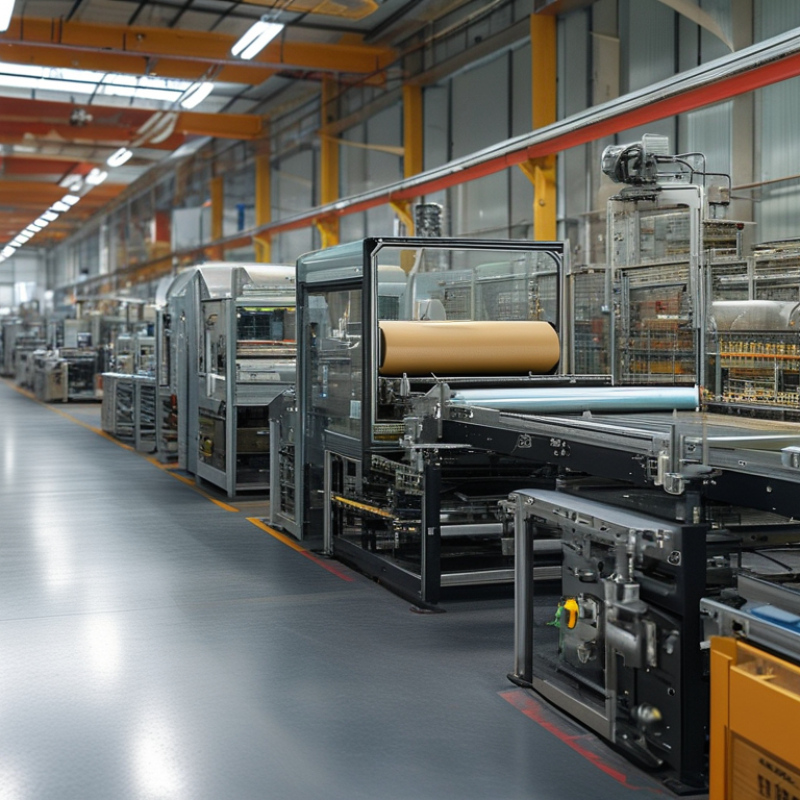
In today’s fast-paced global market, packaging line solutions are evolving rapidly. One key trend is automation. Many manufacturers are adopting automated systems to enhance efficiency. This shift reduces labor costs and speeds up production rates. Such technologies can streamline workflows significantly for various products and scales.
Sustainability is another prominent trend. Companies are increasingly focused on eco-friendly materials. They seek packaging solutions that minimize environmental impact. This includes using biodegradable options and recyclable materials. While these innovative materials are great, they often come with challenges. Companies might struggle to balance cost and sustainability.
Additionally, customization is on the rise. More buyers want tailored packaging solutions. This allows them to differentiate their products in crowded markets. However, it can complicate the production line. Achieving flexibility in manufacturing while maintaining efficiency poses a challenge. Adapting to these trends will require ongoing reflection and adjustment. Brands must stay aware of their capabilities and limitations. Ensuring reliability in production becomes essential amidst changing demands.
Choosing the right packaging line equipment is vital for efficiency and cost-effectiveness. When exploring packaging solutions, consider the machinery’s versatility. It should handle different products and packaging styles seamlessly. Flexibility can significantly reduce downtime during product changes. Moreover, energy efficiency matters in today's eco-conscious market. Look for machines that minimize energy consumption while maintaining high output.
Automation features enhance productivity. Automatic sorting and packing can speed up operations, reducing labor costs. However, don’t overlook the learning curve. Staff may need training to efficiently operate new systems. This could lead to initial slowdowns. Maintenance and support services are crucial too. Reliable support ensures minimal disruptions during production.
Finally, examine the equipment’s durability. A robust build will withstand wear and tear over time. Lower-quality machines may lead to frequent repairs, incurring unexpected expenses. Data tracking is another important feature. It allows businesses to monitor performance and optimize processes. Balancing advanced features with practicality is essential for long-term success.
Automation in packaging lines is transforming the industry for global buyers. It streamlines operations and reduces labor costs. Automated machines enhance accuracy, minimizing errors in packaging. This leads to consistent quality, crucial for maintaining brand reputation.
Efficiency gains are also significant. Automated lines can increase production speed. High-speed machinery handles larger volumes without compromising performance. Buyers benefit from faster turnaround times, which can help meet market demands. The initial investment in automation may seem high, but the long-term savings can be substantial.
However, challenges exist. Transitioning to automated systems requires careful planning. Staff may need retraining to handle new technologies. Some buyers may hesitate due to the upfront costs. It's essential to weigh these factors against the long-term advantages. A thoughtful approach can help make automation a viable solution for any packaging operation.
Packaging line solutions play a critical role in manufacturing efficiency. Various systems cater to different industries. Evaluating the best options requires attention to functionality, scalability, and user experience.
In the competitive market, several factors guide the selection process. The type of product greatly influences packaging requirements. For instance, fragile items need robust systems to ensure safety during transit. Automated solutions often increase speed and reduce labor costs. However, automation can lead to over-reliance, making flexibility a potential concern.
Cost remains a pivotal consideration. Budget constraints can limit the choice of packaging lines. Buyers must also assess the lifecycle of equipment. Reliability is key; breakdowns can disrupt production. Engaging with industry experts provides valuable insights into performance metrics. Ultimately, weighing priorities is essential to achieving optimal outcomes in packaging line solutions.
This chart represents a comparative analysis of various packaging line solutions based on their efficiency, cost-effectiveness, and customer satisfaction ratings. The data is derived from industry benchmarks and analysis of packaging solutions commonly utilized by global buyers.
The future of packaging technology is rapidly evolving. Innovative solutions focus on sustainability and efficiency. Many companies are exploring biodegradable materials. These materials reduce environmental impact significantly. Using eco-friendly packaging is no longer optional; it's essential.
One prominent trend is automation in packaging lines. Automated systems enhance speed and reduce labor costs. However, they require skilled personnel to maintain. This dependency on technology could lead to challenges if not managed properly. Moreover, integrating smart technology into packaging can provide real-time data analytics. This transforms how companies assess packaging performance.
Another key area is personalization in packaging. Consumers seek unique experiences with products. Custom packaging can create a memorable brand connection. However, the cost of personalization poses a dilemma for companies. Balancing innovation and budget constraints will be a critical consideration for global buyers moving forward.