#4 – 20133 102nd Avenue, Langley, B.C. V1M 4B4 Canada

#4 – 20133 102nd Avenue, Langley, B.C. V1M 4B4 Canada
Injection molding is a pivotal technique in the manufacturing industry. As Robert L. Pritchard, a well-known expert in injection molding, once stated, “The right technique can transform production.” This resonates deeply in a world where efficiency and precision are crucial.
Understanding the top techniques in injection molding is essential for success. Each method offers unique advantages, from reducing waste to enhancing product quality. For instance, compression molding and thermal molding represent distinct approaches to achieve optimal results.
Yet, navigating the complexities of injection molding isn’t always straightforward. Mistakes can be made, and those can lead to significant setbacks. It’s vital to reflect on past experiences to avoid repeating them. Learning from failures can illuminate the path forward in mastering injection molding techniques.
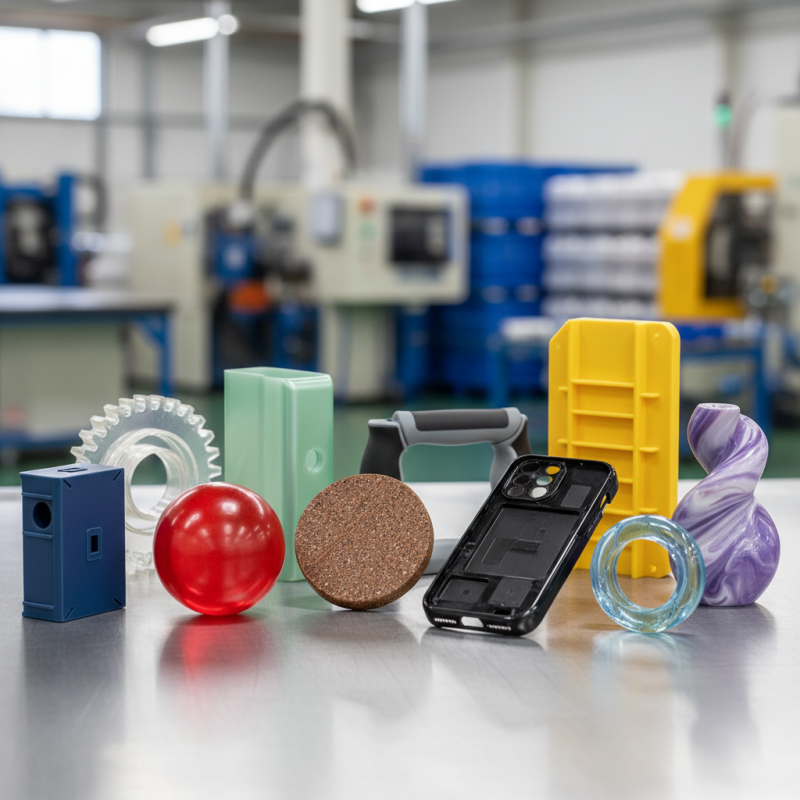
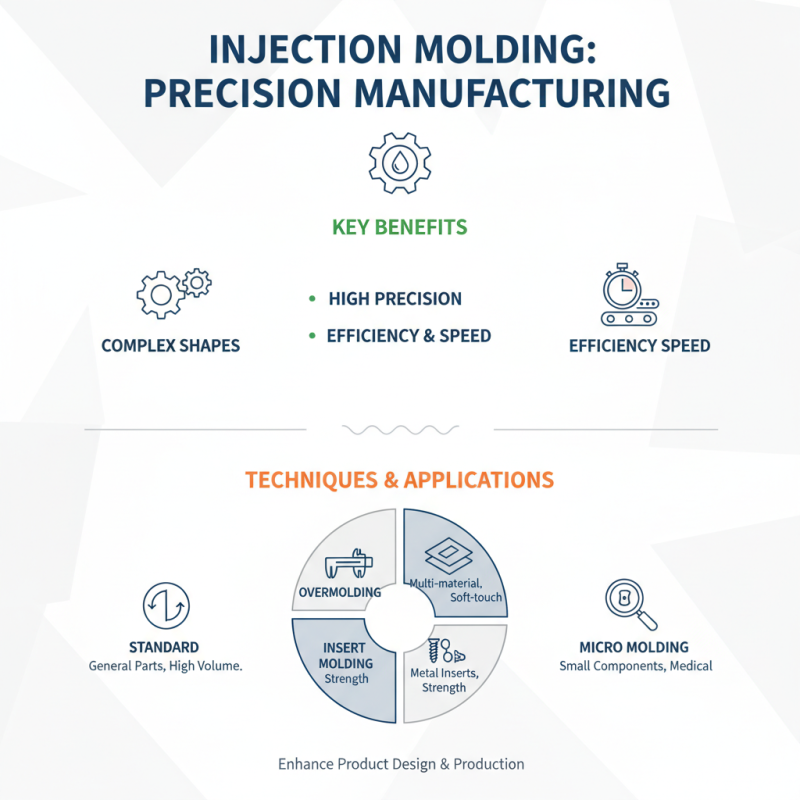
Injection molding is a crucial manufacturing process. It allows for the production of complex shapes with high precision. Various techniques exist, each suited to specific applications. Understanding these techniques can enhance product design and efficiency.
One prominent method is standard injection molding. It involves melting plastic and injecting it into molds. This technique is widely used and reliable. However, it can lead to uneven cooling, resulting in warping. Another technique is gas-assisted injection molding. This method uses gas to create hollow sections in the molded part. It can reduce material usage but requires careful control to avoid defects.
Some advanced methods include co-injection molding and insert molding. Co-injection layering allows for multiple materials in a single product. It's innovative yet can be challenging to implement. Insert molding integrates metal parts into plastic molds, but mistakes can lead to weak joints. Navigating these techniques requires experience, as each presents unique challenges and opportunities for improvement.
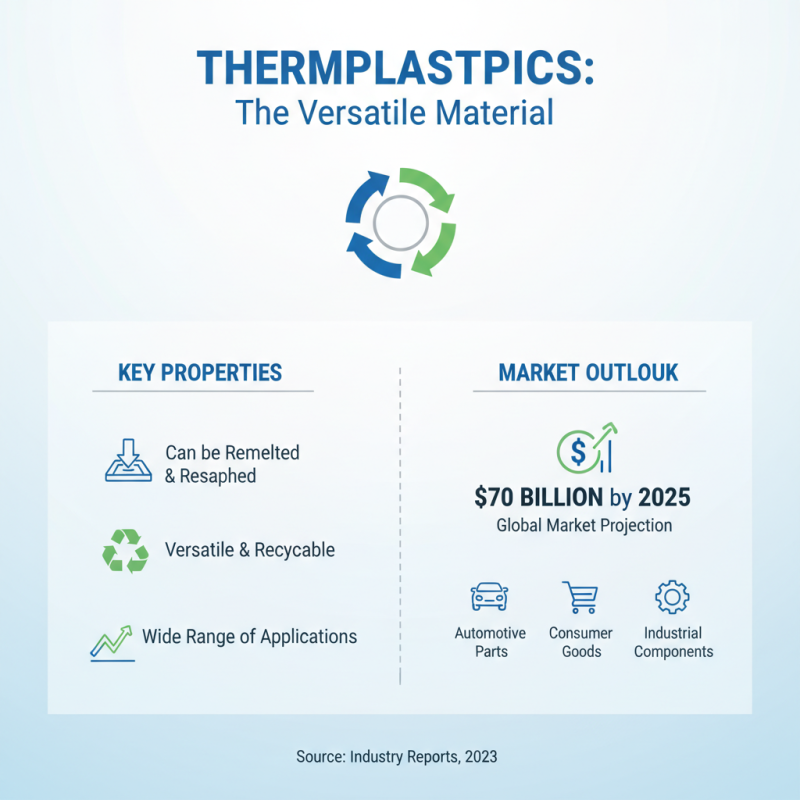
In the world of injection molding, understanding the differences between thermoplastic and thermosetting materials is critical. Thermoplastics can be re-melted and reshaped. This versatility makes them popular. The global thermoplastic market is projected to reach $70 billion by 2025, according to industry reports. Their applications range from automotive parts to consumer goods.
In contrast, thermosetting materials harden permanently after the initial heat setting. This property makes them ideal for electrical insulations and adhesives. The thermosetting market is growing, with an estimated CAGR of around 5% from 2021 to 2026. However, this material type has its limitations. Once set, you cannot reshuffle it, which increases risks in recycling and reworking.
Both materials hold unique advantages and certain drawbacks. Thermoplastics offer flexibility and ease of manufacture. However, they can have weaker structural integrity compared to thermosetting materials. Conversely, thermosetting products can withstand higher temperatures and are more durable. Yet, they lack the recyclability factor. Understanding these differences can guide manufacturers in making better choices tailored to their production needs.
Injection molding is a critical process in manufacturing. Within this field, single and multi-cavity molding techniques stand out. Single-cavity molds produce one part at a time. They are simple and cost-effective for low-volume production. However, they may not be suitable for large-scale projects. According to industry reports, single-cavity molds often lead to longer lead times when producing large quantities.
In contrast, multi-cavity molds can produce multiple parts simultaneously. This technique significantly increases production efficiency. Research indicates that multi-cavity molds can reduce cycle times by as much as 50%. However, they require higher initial investment and complex design considerations. A successful multi-cavity project relies on precise machining and mold flow analysis. Not every manufacturer has the expertise to address these challenges.
Manufacturers must evaluate their needs carefully. The choice between single and multi-cavity molding should align with production goals. Often, companies overlook the importance of mold maintenance too. Regular upkeep can prevent costly delays and defects. Balancing costs and efficiency is essential in making the right choice. Understanding the nuances of each method can lead to better outcomes.
Hot runner and cold runner systems are essential in injection molding. Each system offers distinct advantages. Hot runner systems maintain the plastic in a molten state. This approach reduces waste and shortens cycle times. A 2020 industry report found that using hot runners can improve production efficiency by up to 30%. These systems are often more expensive but can pay off in high-volume production.
On the other hand, cold runner systems cool down the plastic before it enters the mold. This can lead to more waste due to solidified material. However, they are easier to manage and maintain. For smaller production runs, cold runners might be the better choice. They also tend to be less costly upfront.
**Tip:** When deciding on a system, consider your production scale and budget. For low-volume projects, cold runners can be more practical. Larger projects may justify investing in hot runners. **Tip:** Evaluate the materials you plan to use. Some plastics perform better in one system over the other. This choice can be critical to your project's success. **Tip:** Monitor your cycle times regularly. This can reveal efficiency gaps, regardless of the runner system used.
| Technique | System Type | Advantages | Disadvantages | Best Use Cases |
|---|---|---|---|---|
| Standard Injection Molding | Cold Runner | Cost-effective, versatile for complex shapes | Material waste, longer cycle times | General-purpose manufacturing |
| Hot Runner Molding | Hot Runner | Less material waste, faster cycles | Higher initial costs, potential maintenance issues | High-volume production of small parts |
| Insert Molding | Cold Runner | Combines different materials, reduces assembly time | Complex tooling, longer cycle times | Electronics housings, mechanical components |
| Multi-component Molding | Hot Runner | Versatile color and material use | Expensive tooling, proprietary processes | Automotive parts, medical devices |
| Blow Molding | Cold Runner | Ideal for hollow parts, economical for large runs | Limited shape complexity | Containers, bottles |
| Rotational Molding | Cold Runner | Large parts, flexible material options | Long cycle times, limited detail | Tanks, playground equipment |
| Compression Molding | Cold Runner | High production of large parts | Less versatility, higher tooling costs | Automotive, industrial parts |
| Thermoforming | Cold Runner | Cost-effective for large pieces | Limited detail, thickness variance | Packaging, trays |
| 3D Printing for Molding | Cold Runner | Rapid prototyping, design flexibility | Not suitable for mass production | Prototypes, custom parts |
| Die Casting | Cold Runner | High precision, great surface finish | Material limitations, expensive tooling | Metal parts, automotive components |
Injection molding has a significant environmental impact. However, adopting sustainable practices can mitigate this. One effective way is to recycle materials. Using recycled plastics reduces waste and resource consumption. Many companies are exploring biodegradable materials as well. These alternatives can help decrease pollution.
Tips: Assess your material choices. Look for local suppliers of recycled materials. Consider the life cycle of your products.
Energy consumption in injection molding is another concern. Manufacturers should invest in energy-efficient machines. These machines consume less power and minimize greenhouse gas emissions. Proper maintenance also boosts efficiency. Ignoring maintenance can lead to energy waste and higher costs.
Tips: Schedule regular maintenance checks. Train your staff on energy-saving practices. Monitor energy usage closely.
Waste management plays a crucial role in sustainability. Implementing a robust recycling system can significantly reduce scrap waste. It’s essential to track waste production and explore ways to minimize it. Failure to do so can result in larger ecological footprints and increased operational costs.
Tips: Track your waste metrics. Aim for zero waste initiatives. Collaborate with waste management experts for better solutions.
This bar chart illustrates the sustainability scores of ten different injection molding techniques, providing insights on their environmental impact and efficiency. Techniques such as Water-Assisted Injection Molding and Recycled Injection Molding score highly, showcasing advancements in sustainable manufacturing practices.