| Core manufacturing process |
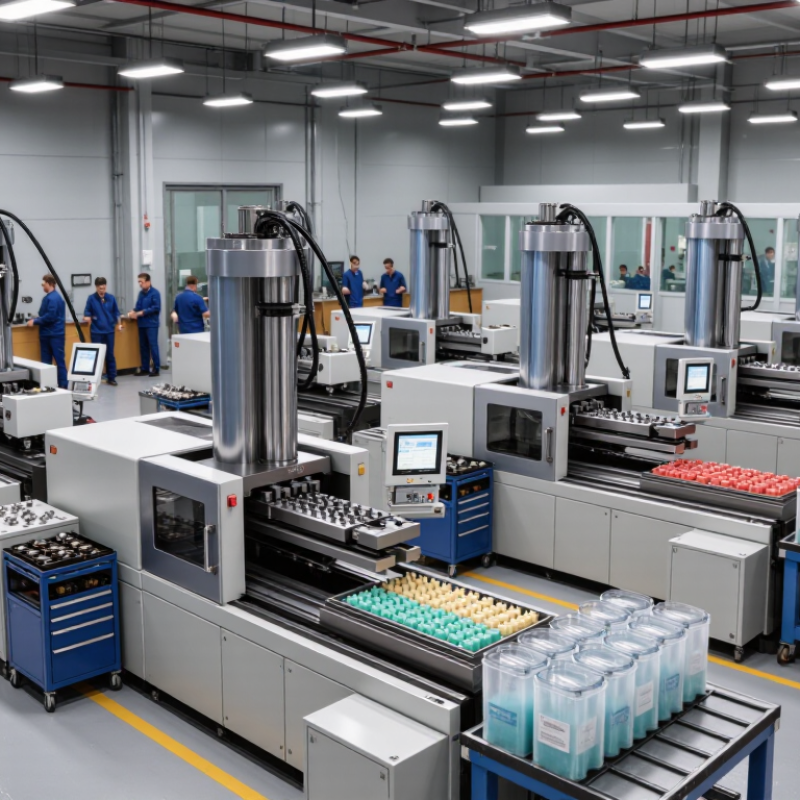
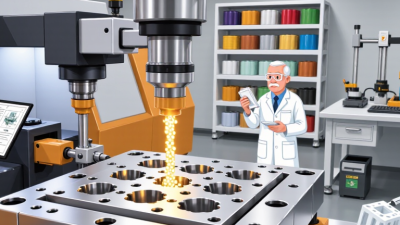
Thermoplastic pellets are heated, injected into a mold, cooled, and ejected as finished parts. |
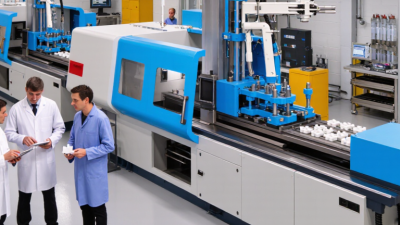
The molding provider manages tooling, machine setup, production, inspection, and delivery under a customer contract. |
Confirm whether the supplier provides complete production management or only machine time. |
| Production volume |
Injection molding is used for prototypes, low-volume production, and high-volume manufacturing; economical volume depends on tooling cost, part design, and cycle time. |
A contract manufacturer produces parts according to approved forecasts, purchase orders, and quality requirements. |
Request minimum order quantities, monthly capacity, lead times, and production flexibility. |
| Machine capability |
Presses commonly range from small machines below 100 tons to large machines above 1,000 tons of clamping force. |
Clamping force holds the mold closed against injection pressure and must match projected part area, material, and mold design. |
Check available clamp-force range, shot size, platen dimensions, automation, and machine utilization. |
| Common material families |
Common choices include polypropylene, polyethylene, ABS, polystyrene, polycarbonate, nylon, acetal, and thermoplastic elastomers. |
Material pellets are dried when required, melted in the barrel, and injected through a nozzle into the mold cavity. |
Verify resin handling, drying controls, lot traceability, recycled-content requirements, and material certifications. |
| Tooling and mold ownership |
Molds may be customer-owned, supplier-owned, or governed by a shared ownership agreement. |
The mold creates the part geometry and may include hot runners, cold runners, slides, inserts, or multi-cavity layouts. |
Review tool ownership, maintenance responsibility, storage, transfer rights, repair approval, and end-of-life terms. |
| Cycle-time drivers |
Cooling is often a major portion of the cycle; wall thickness, resin, mold temperature, part size, and automation affect output. |
The machine repeats the injection, packing, cooling, mold-opening, and ejection sequence for each cycle. |
Ask for validated cycle times, expected hourly output, downtime assumptions, and spare-capacity plans. |
| Dimensional control |
Achievable tolerance depends on resin shrinkage, part geometry, mold construction, process stability, and measurement method; no single tolerance applies to every part. |
Process parameters are controlled to keep molded dimensions within drawing tolerances across production lots. |
Require a tolerance review, capability study, inspection method, gauge plan, and acceptance criteria before production approval. |
| Quality management |
A mature supplier uses documented procedures, incoming inspection, in-process controls, final inspection, corrective action, and record retention. |
Quality data are collected during development and production to confirm that parts meet drawings and agreed specifications. |
Check applicable certifications, audit results, nonconformance procedures, statistical process control, and traceability practices. |
| Secondary operations |
Available services may include trimming, ultrasonic welding, heat staking, pad printing, painting, insert assembly, packaging, and kitting. |
The contract manufacturer can combine molding with post-molding operations to deliver a more complete component or assembly. |
Determine whether operations are performed in-house or through controlled subcontractors and define inspection responsibility. |
| Design-for-manufacturing support |
Typical reviews address draft angles, uniform wall thickness, ribs, bosses, weld lines, sink marks, gate locations, and ejection. |
Design feedback is provided before mold construction to reduce defects, tooling changes, and production delays. |
Evaluate engineering resources, mold-flow analysis capability, design-review documentation, and revision-control procedures. |
| Regulated-industry readiness |
Medical, automotive, aerospace, food-contact, and electrical applications may require additional validation, documentation, or material controls. |
The supplier follows the customer’s validation, change-control, documentation, and traceability requirements. |
Confirm relevant certifications, validation protocols, cleanroom or controlled-environment capability, and regulatory documentation. |
| Commercial and supply-chain performance |
Performance is commonly assessed through quality, delivery, cost, responsiveness, capacity, and risk-management metrics. |
The provider coordinates purchasing, production scheduling, inventory, packaging, logistics, and issue resolution under agreed service levels. |
Compare quoted tooling and piece prices, payment terms, forecast policies, delivery performance, business-continuity plans, and communication procedures. |