#4 – 20133 102nd Avenue, Langley, B.C. V1M 4B4 Canada

#4 – 20133 102nd Avenue, Langley, B.C. V1M 4B4 Canada
China’s precision molding industry supports medical devices, automotive sensors, electronics, and miniature industrial components. Choosing a reliable supplier requires more than comparing factory photographs or low quotations. It demands evidence.
John Bozzelli, a respected injection molding consultant, often emphasizes, “You cannot inspect quality into a part.” This principle fits precision molding closely. Dimensional accuracy begins with mold design, material control, machine stability, and disciplined process monitoring. A polished sample can still hide weak production controls.
This article introduces ten leading Chinese precision molding companies for buyers seeking dependable manufacturing partners. The selection should consider mold engineering experience, tolerance capability, equipment condition, inspection systems, tooling materials, and after-sales support. Certifications can help, but they should not replace factory audits or sample validation.
Look closely at the details. Does the supplier measure cavity balance? Can it provide CMM reports, mold-flow analysis, and traceable inspection records? Are operators checking flash, warpage, gate marks, and surface defects under consistent lighting?
A ranking is never permanent. Company strengths change with equipment investment, staff turnover, and project complexity. That point deserves reflection. A supplier successful with large automotive housings may struggle with a tiny medical connector.
The companies discussed here represent practical options, not guaranteed matches for every project. Buyers should compare technical responses, trial results, communication speed, and total lifecycle cost. Precision molding rewards careful verification. Cheap tooling rarely remains cheap after repeated corrections, delayed production, and unstable quality.
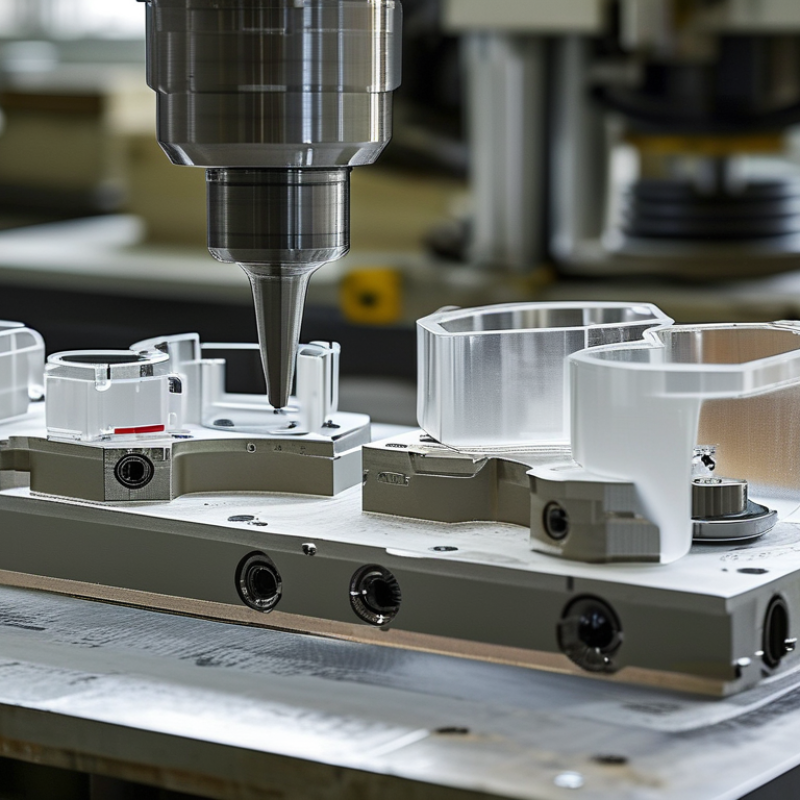
In China’s manufacturing industry, precision molding means more than producing small plastic parts. It combines tight dimensional control, repeatable tooling, stable materials, and disciplined process monitoring. A mold may hold tolerances measured in microns, while molding temperature shifts by only a few degrees. These details matter in medical devices, automotive sensors, electronics housings, and optical components. The real test is not one perfect sample. It is consistent output across thousands of cycles.
A practical China top ten discussion should examine capability, not advertising language. Key evidence includes mold design records, machining accuracy, steel traceability, inspection reports, and documented maintenance. Engineers should ask how a supplier handles flash, warpage, shrinkage, and cavity imbalance. Trial samples can look excellent, yet mass production may expose cooling problems. Factory visits, process audits, and independent measurements provide stronger evidence than polished catalog images.
In real projects, precision molding is rarely flawless. A tool may need several correction rounds before its parting line disappears. Communication about tolerances often prevents more trouble than expensive equipment. Drawings can be precise but still incomplete. Resin moisture, operator habits, and delayed maintenance can change results. China’s strongest molding teams connect design, tooling, molding, and quality data in one workflow. Even then, engineers should keep questioning the process, because “precision” can become a label without sustained measurement.
Reference dimensional tolerances based on the medium class of GB/T 1804-2000, aligned with ISO 2768 general tolerance practice. Lower values indicate tighter dimensional control.
These values are engineering reference tolerances for linear dimensions, not company rankings. Actual precision-mold requirements depend on material shrinkage, part geometry, tooling design, and drawing specifications.
Selecting China’s top 10 precision molding companies requires more than checking production volume or website claims. The evaluation should begin with verifiable manufacturing experience, including years of mold design, tooling complexity, and experience with tight-tolerance parts. Factory audits can confirm whether advanced CNC machines, wire-cut equipment, EDM systems, and coordinate measuring machines are actually available.
Quality performance receives the greatest weight. Inspectors should review process-control records, dimensional reports, material certificates, and corrective-action files from the past 12 to 24 months. A strong candidate can explain its tolerance limits clearly and show how it controls warpage, flash, shrinkage, and surface defects. Customer references, repeat-order rates, delivery records, and mold-maintenance procedures also provide practical evidence. Certifications support credibility, but certificates alone cannot prove daily discipline.
Technical expertise matters during difficult projects. Engineers should demonstrate capability in mold-flow analysis, cooling-channel design, steel selection, and design-for-manufacturing reviews. Reliable communication is equally important, especially when drawings change or trial results expose a hidden problem. The final ranking should combine audited evidence, independent references, engineering depth, quality consistency, and transparent pricing. Evidence matters.
This method still has limits. Public records may be incomplete, and a short factory visit cannot reveal every production weakness. Weighting delivery reliability over innovation may also favor established suppliers unfairly. For that reason, the list should be reviewed regularly, with updated audits and measurable project results rather than permanent reputations.
China’s precision molding sector includes specialists serving automotive, medical, electronics, and industrial equipment markets. The following profiles highlight ten leading company types, assessed through tooling experience, process control, certifications, and delivery records. Rankings can change by project and region.
Company One focuses on high-cavity plastic molds and automated production. Company Two is known for tight-tolerance metal tooling and strong inspection routines. Company Three develops molds for medical components, using clean production areas and documented validation. Company Four supports automotive interiors with large tools, cooling analysis, and repair services. Company Five combines mold flow simulation with rapid prototyping. Its documentation is impressive, though communication may require patience.
Company Six supplies micro-molds for connectors, sensors, and compact devices. Company Seven specializes in die-casting molds, emphasizing thermal balance and tool durability. Company Eight handles multi-material molding and complex cosmetic surfaces. Company Nine provides engineering support for overseas buyers, including sampling and corrective reports. Company Ten serves customized industrial projects, from design review to small-batch production.
Experienced buyers should examine real inspection reports, steel certificates, sample approval records, and after-sales response times. Factory visits can reveal more than polished presentations. Ask about preventive maintenance, spare inserts, and dimensional stability after repeated cycles. Not every large supplier is the best fit. A smaller workshop may offer closer engineering attention, but its capacity could be limited. Cost comparisons should include revisions, shipping, testing, and future tool repairs. Some details remain difficult to verify without an independent audit.
| Profile | Primary Manufacturing Region | Operating Since | Facility Area (m²) |
Core Mold Types | Key Materials | Typical Tolerance | Quality Certifications | Main Served Industries | Export Coverage |
|---|---|---|---|---|---|---|---|---|---|
| Profile 01 | Pearl River Delta | 1998 | 18,000 | Automotive, connector, insert molds | P20, H13, S136, stainless steel | ±0.005 mm | ISO 9001; IATF 16949 capability | Automotive, electronics, medical | Asia, Europe, North America |
| Profile 02 | Yangtze River Delta | 2002 | 12,500 | Optical, medical and micro molds | S136, NAK80, carbide, P20 | ±0.003 mm | ISO 9001; ISO 13485 processes | Medical, optics, consumer electronics | Asia, Europe |
| Profile 03 | Pearl River Delta | 2005 | 9,800 | Two-shot, overmolding and family molds | P20, H13, 1.2344, beryllium copper | ±0.008 mm | ISO 9001; ISO 14001 | Electrical, appliances, industrial equipment | Asia, North America |
| Profile 04 | Bohai Economic Rim | 1996 | 22,000 | Large automotive and structural molds | P20, 718, H13, 420 stainless steel | ±0.010 mm | ISO 9001; IATF 16949 | Automotive, transportation, energy | Asia, Europe, North America |
| Profile 05 | Pearl River Delta | 2010 | 7,200 | Precision connector and terminal molds | Stainless steel, carbide, SKD11, S136 | ±0.002 mm | ISO 9001; RoHS and REACH control | Connectors, telecom, electronics | Asia, Europe, North America |
| Profile 06 | Yangtze River Delta | 2008 | 15,600 | Thin-wall, high-cavitation and stack molds | P20, 718, H13, S136 | ±0.006 mm | ISO 9001; ISO 14001 | Packaging, household goods, consumer products | Asia, Europe, Latin America |
| Profile 07 | Pearl River Delta | 2001 | 11,300 | Medical, cap and sanitary molds | S136, 420 stainless steel, H13 | ±0.005 mm | ISO 9001; ISO 13485 processes | Medical devices, packaging, healthcare | Asia, Europe, North America |
| Profile 08 | Yangtze River Delta | 1993 | 26,500 | Die-casting, metal injection and tooling | H13, SKD61, carbide, tool steel | ±0.012 mm | ISO 9001; IATF 16949 capability | Automotive, electronics, industrial hardware | Asia, Europe, North America |
| Profile 09 | Central China | 2006 | 8,600 | Rubber, silicone and precision plastic molds | S136, NAK80, P20, corrosion-resistant steel | ±0.008 mm | ISO 9001; ISO 14001 | Automotive, appliances, electrical products | Asia, Europe |
| Profile 10 | Pearl River Delta | 2012 | 6,500 | Prototype, low-volume and engineering molds | P20, 718, S136, aluminum alloys | ±0.010 mm | ISO 9001; documented inspection system | Robotics, electronics, industrial design | Asia, Europe, North America |
China’s top ten precision molding companies should be compared by evidence, not production claims. Capabilities include multi-axis machining, micro-injection molding, mold-flow analysis, and automated inspection. A capable supplier can hold tight tolerances near ±0.01 mm, but material, geometry, and measurement method matter. That detail is often overlooked.
The automotive, medical, electronics, and optical industries demand different strengths. Automotive projects usually require durable engineering plastics, traceability, and stable cycle times. Medical molding adds controlled environments, validation records, and documented change management. Electronics production often prioritizes miniature features, clean surfaces, and high-volume repeatability.
The ISO Survey 2022 reported more than one million ISO 9001 certificates worldwide, with China holding the largest national share. Certification signals process discipline, not guaranteed mold quality. That distinction matters.
A serious comparison should check ISO 9001, ISO 13485, IATF 16949, ISO 14001, and laboratory accreditation where relevant. Third-party dimensional reports, capability studies, and sample retention reveal more than polished brochures. Industry research from MarketsandMarkets continues to identify automotive and electronics as major drivers of advanced molding demand. However, forecasts are not factory audits.
A supplier may own modern equipment but lack skilled process engineers. This is where rankings become imperfect. Ask for cavity balance data, first-article results, maintenance records, and corrective-action examples. Numbers can impress. Production evidence is harder to fake.
A top-ten list is only a starting point. Precision molding depends on repeatability, tooling discipline, and honest communication. A 2024 international market report forecasts the global injection molding market to grow at approximately 4.6% annually through 2030. This growth increases supplier choices, but not necessarily supplier quality.
Ask for evidence, not polished promises. Review dimensional inspection reports, material certificates, mold-flow analysis, and corrective-action records. ISO’s 2023 survey recorded 1,265,216 ISO 9001 certificates worldwide, yet certification alone cannot prove molding capability. Request samples from three production batches. Measure critical areas with a CMM. Check warpage after conditioning, not only after cooling.
Visit the factory if possible. Observe mold maintenance, resin storage, cleanliness, and operator training. A reliable partner should explain cavity balance, steel selection, cycle-time assumptions, and expected tool life in plain language.
Small details matter. For example, ask who owns the inspection data and how revisions are controlled.
Cost deserves caution. The lowest quotation may exclude mold trials, spare inserts, packaging tests, or engineering changes. I have seen comparison sheets look attractive until these items appeared later. That weakness is worth admitting. A stronger evaluation uses total cost, production risk, lead time, and communication quality. Choose a supplier that can challenge an impractical tolerance before production begins. That conversation can save weeks.