#4 – 20133 102nd Avenue, Langley, B.C. V1M 4B4 Canada
#4 – 20133 102nd Avenue, Langley, B.C. V1M 4B4 Canada
When selecting a partner for injection molding contract manufacturing, understanding the market landscape is crucial. According to a recent report by Grand View Research, the global injection molding market is projected to reach $255.15 billion by 2027, growing at a CAGR of 5.1%. This growth reflects increased demand across various sectors, such as automotive and consumer goods. Companies are looking for reliable partners that can provide quality and efficiency while managing production costs.
Choosing the right contract manufacturer is not simply about pricing. Quality assurance, production capabilities, and lead times are also vital considerations. A survey by the American Society for Quality reveals that 80% of manufacturers experience issues with suppliers that impact their project timelines. Therefore, having clear communication and established quality metrics is essential for success in injection molding contract manufacturing.
Furthermore, potential partners should demonstrate experience in your industry. Research shows that manufacturers with specialized knowledge tend to achieve better outcomes. Look for case studies or testimonials that illustrate their capability and reliability. This diligence in choosing a partner can significantly influence the success of your project.
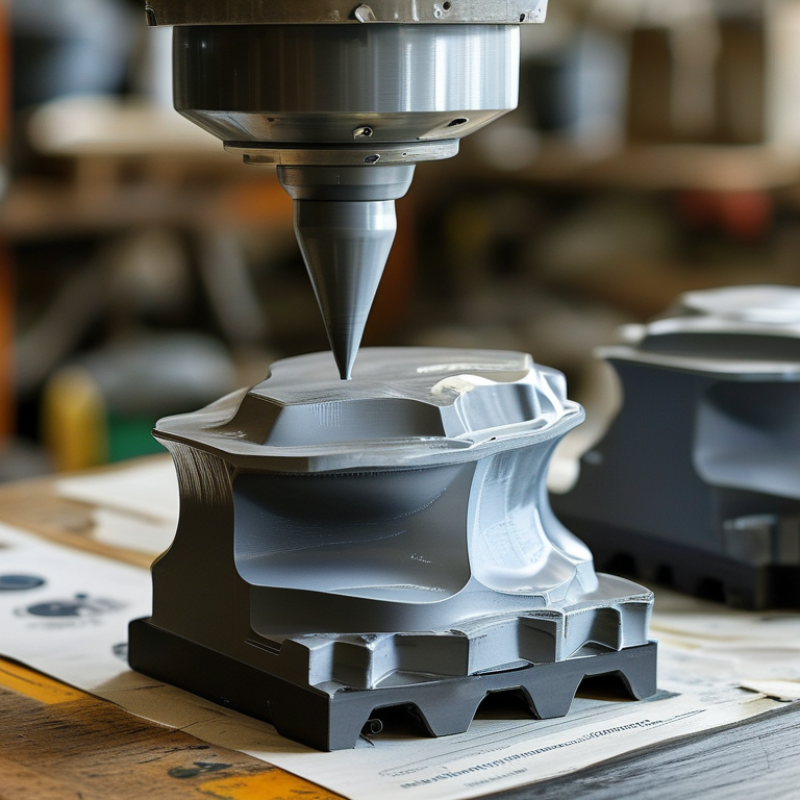
Injection molding is a vital process in manufacturing. It allows companies to create complex parts quickly and efficiently. This method involves injecting molten material into a mold. The result is a precise and uniform product. Many industries rely on injection molding for its speed and cost-effectiveness. Automotive, electronics, and consumer goods are just a few examples.
Understanding this process is essential. It starts with the choice of materials. Different polymers offer various properties, impacting the final product. Designers must balance strength, flexibility, and thermal resistance. Moreover, the mold design is crucial. A poorly designed mold can lead to defects, increasing production costs and delays. Companies must evaluate their needs carefully.
Not all molds are equal. Some require significant investments in time and resources. This can lead to frustration and unexpected costs. Communication with manufacturing partners is critical. Sharing insights and expectations can prevent misunderstandings. It’s vital to analyze and reflect on past projects. Learning from previous experiences can enhance future production efforts.
| Tip | Description | Considerations |
|---|---|---|
| Assess Experience | Evaluate the manufacturer's experience in the injection molding industry. | Look for years in business and industry expertise. |
| Production Capacity | Ensure the company can meet your production volume needs. | Consider peak production times and lead times. |
| Quality Assurance | Check for quality control processes in place for molded products. | Inquire about certifications and quality standards. |
| Technological Capabilities | Assess if the manufacturer uses advanced injection molding technology. | Look for automation and innovative techniques. |
| Customer Support | Evaluate the support available during and after production. | Consider response times and assistance options. |
| Cost Transparency | Review the pricing structure and ensure no hidden fees. | Request detailed quotes and breakdowns. |
| Customization Options | Check if the manufacturer offers customization for molded parts. | Discuss specific design requirements and flexibility. |
Choosing the right injection molding contract manufacturer is crucial. Understanding their capabilities shapes product quality. Evaluating production technology is essential. Many manufacturers implement advanced machinery that can reduce tolerances to ±0.001 inches. This precision impacts the final product significantly.
Experience matters deeply in this field. Data shows companies with over ten years in the industry achieve higher client satisfaction. They have established solid processes for quality assurance. It is wise to ask potential partners about their quality certifications, like ISO 9001. These certifications indicate a commitment to consistent production standards.
Additionally, consider communication and customer support. Effective dialogue can prevent costly errors during production. Research indicates that strong partnerships improve overall project timelines. Potential manufacturers should show agility in managing changes. Relying on manufacturers that adapt quickly to feedback can enhance your project's success. Ensure clarity in communication to avoid misunderstandings.
When selecting an injection molding contract manufacturer, assessing their technical capabilities is crucial. A survey by the Medical Design & Outsourcing reported that nearly 80% of product failures in the medical device sector are linked to inadequate manufacturing processes. This statistic emphasizes the importance of understanding a manufacturer’s technical skills.
Technical capabilities encompass machinery, material expertise, and quality control measures. Manufacturers should possess advanced machinery, like multi-axis CNC machines, ensuring precision in part fabrication. Furthermore, knowledge of various materials, such as thermoplastics and engineering resins, impacts the final product's performance and durability. A manufacturer with a proven track record, supported by third-party certifications, can enhance reliability and trust.
It's also essential to evaluate the manufacturer’s resources and capacity. Many facilities may claim high output rates but fall short during peak demands. Capacity for scalability must align with your production needs. Engaging in direct dialogue about their resource management can reveal potential bottlenecks or limitations. Such insights into operational strengths and weaknesses guide informed decisions, ultimately affecting project success.
When selecting an injection molding contract manufacturer, cost analysis is critical. Balancing quality and price determines the overall success of your project. In a recent industry report, nearly 70% of companies prioritize cost over quality, leading to significant issues down the line. This statistic highlights the risks involved in choosing cheaper options that may compromise product integrity.
Material selection significantly impacts the final cost. For instance, using lower-grade resins can save money initially, but may result in higher rejection rates. According to the Plastic Industry Association, poor material choices can increase production costs by up to 30% due to defects. It's essential to weigh these potential additional expenses against upfront savings.
Another factor is the manufacturer’s location. Offshore production might appear less expensive, but hidden costs can arise from shipping and tariffs. A 2022 Deloitte study indicated that 50% of companies expect delays when sourcing internationally. Accurate forecasting of these costs is vital. Overall, careful assessment of quality, materials, and sourcing can lead to better long-term financial outcomes. Investing in a reliable partner may yield better returns than chasing the lowest price.
When selecting an injection molding contract manufacturer, assessing lead times and production flexibility is crucial. According to industry reports, over 70% of manufacturers prioritize timely delivery. Delays can disrupt supply chains and hinder product launches.
Lead times are influenced by factors like material availability and machine capacity. It's essential to evaluate a manufacturer’s production schedule. Some manufacturers offer shorter lead times but may compromise on quality. Others may take longer but provide higher quality outputs. It’s about finding the right balance between speed and reliability.
If a manufacturer struggles with flexibility, this often limits your options. For instance, if your order volume fluctuates, a rigid supplier may lead to overproduction or stockouts. Seek manufacturers who can adjust their production rates without significant penalties. They should adapt to sudden increases in demand while maintaining quality.
Understanding these elements can significantly impact your project. Always ask potential partners for documented lead times and examples of past flexibility. Their past performance is often the best indicator of their future reliability.