#4 – 20133 102nd Avenue, Langley, B.C. V1M 4B4 Canada

#4 – 20133 102nd Avenue, Langley, B.C. V1M 4B4 Canada
Choosing the right Industrial Hydraulic Press is crucial for efficiency and productivity in any manufacturing operation. An effective hydraulic press can significantly impact the quality of your products. Knowing the basics is essential, but practical experience and professional insights make the difference.
Assessing the application is key. Consider the materials you will work with and the types of processes required. Each press has its own strengths and weaknesses. Therefore, your needs must guide your choice. Look into the specifications, such as tonnage and stroke length, to match them to your requirements.
Moreover, don't overlook reliability. Research manufacturers and their reputations. Reading user reviews can provide insights into the durability and performance of various models. It’s essential to ensure that the press can handle continuous use without frequent breakdowns. Your investment in an Industrial Hydraulic Press should lead to long-term benefits, but remember, the choice can be challenging. Take the time to weigh your options carefully before making a decision.
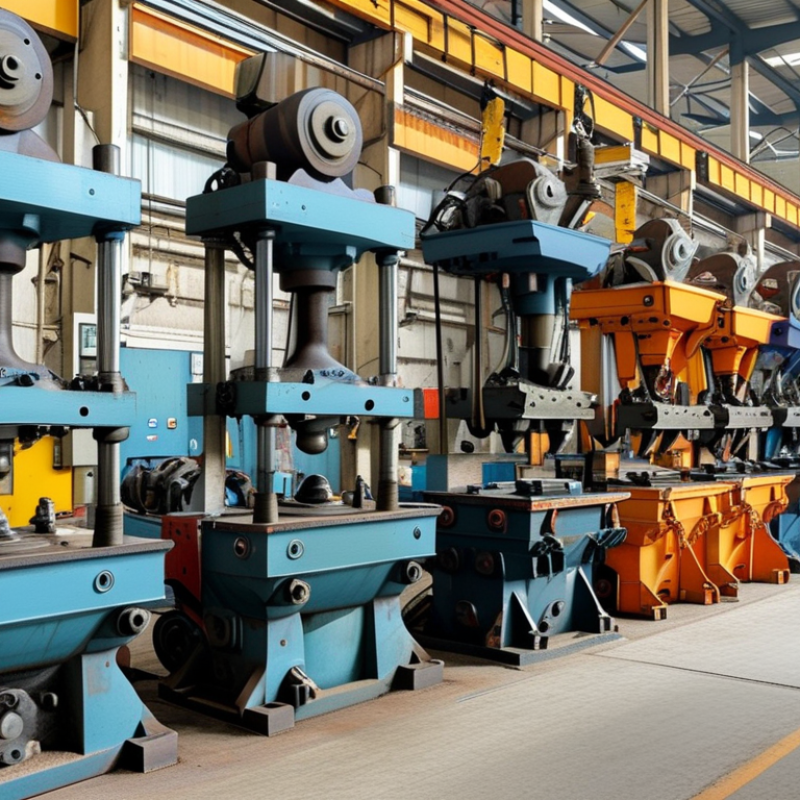
When selecting a hydraulic press, it is crucial to understand the various types available. Each type has unique applications tailored to specific industrial needs. For instance, C-frame presses are common in auto repair and assembly lines. They provide efficient operation and are less bulky than other designs. According to a report by Research and Markets, C-frame presses account for approximately 30% of the global hydraulic press market due to their versatility.
Another notable type is the H-frame press. It offers higher strength and stability, making it suitable for forging and metal forming processes. This design supports larger dies and complex molds. Notably, the global demand for H-frame presses is projected to grow by 5% annually, reflecting increasing industrial applications. It’s essential, however, to recognize that H-frame presses can be overkill for simpler tasks. This might lead to unnecessary energy consumption and production costs.
Lastly, the multi-ton hydraulic press provides a robust solution for heavy-duty operations. With capabilities ranging from 20 to 100 tons, these machines are critical in manufacturing industries, supporting tasks like bending, shaping, and stamping. Yet, buying such a powerful machine necessitates a clear understanding of operational requirements. Misjudgments can result in inefficient workflows and increased maintenance needs. Awareness of these nuances helps ensure the right choice for your industrial applications.
When selecting an industrial hydraulic press, understanding key specifications is crucial for making the right choice. The force capacity is one of the most critical parameters. It directly influences the press’s ability to handle various materials. Many reports indicate that hydraulic presses range from 10 tons to over 2,000 tons of force. Evaluating the needed force ensures optimal performance for specific applications, whether for metal fabrication or plastics processing.
Stroke length is another important specification. This determines how deep the press can go in a single cycle. A short stroke may be suitable for thin materials, while thicker materials require longer strokes. Industry data shows that adjustable stroke lengths can enhance versatility in operations. Therefore, look for presses that allow for customization to meet specific needs.
Pay attention to the type of hydraulic system used. A well-designed hydraulic system can improve efficiency and reduce maintenance issues. Some systems offer closed-loop designs, increasing energy efficiency and performance stability. Operators often find that the system’s reliability can lead to fewer downtimes in production, which is essential in high-volume settings.
Consider ergonomic features as well. Soft start mechanisms and user-friendly controls can make operation safer and easier. This feedback from operators emphasizes the importance of usability alongside technical specifications. Analyze these areas to ensure the hydraulic press fits your operational requirements effectively.
When selecting an industrial hydraulic press, safety features must be a top priority. According to the National Institute for Occupational Safety and Health (NIOSH), improper use of such machinery accounts for a significant number of workplace injuries. Data indicates that nearly 25% of accidents related to hydraulic presses involve crush injuries or entrapment. Ensuring your press includes features like emergency stop buttons, safety guards, and overload protection can mitigate these risks.
The relevance of safety features goes beyond compliance; it enhances operational reliability. Presses equipped with advanced safety interlocks demonstrate a lower failure rate, according to industry reports. These interlocks prevent operation unless safety guards are in position. Moreover, worker training and awareness can improve safety, yet equipment design should not rely solely on this. Studies show that a well-designed machine can reduce error rates by over 30%.
A thorough assessment of safety standards is crucial. Certifications such as ISO 13849 provide guidelines for safety-related parts of control systems. While it may seem sufficient to rely on customary practices, a lack of focus on these standards may result in fatal oversights. It's vital to challenge existing norms and prioritize upgrades to meet or exceed safety expectations in your selection process.
When selecting an industrial hydraulic press, understanding power requirements is crucial. Tonnage and pressure directly impact performance. Tonnage refers to the maximum load a hydraulic press can handle. For instance, a press with 50 tons of force is suitable for various applications, from metal forming to plastic molding. According to industry reports, most manufacturers suggest a minimum of 10% safety margin above the required capacity. This ensures reliability and longevity.
Pressure measures how much force is applied per unit area. Hydraulic presses typically operate between 2,000 to 3,000 psi. Higher pressure can enhance efficiency but may also increase wear and tear on the machine. It's essential to match pressure settings with the materials being processed. Different materials require different pressure to achieve desired results.
Consider the tip of underestimating tonnage as a critical mistake. Insufficient capacity can lead to equipment failure and safety hazards. Assess the specific needs of your operations to avoid this pitfall. Efficient resource planning can save long-term costs. Many professionals recommend regularly reviewing power requirements, especially as production needs change over time. Keeping a close eye on these specifications ensures optimal functionality and safety.
| Power Requirement (Tonnage) | Pressure Rating (PSI) | Application Type | Recommended Features |
|---|---|---|---|
| 10 Tons | 2000 PSI | Metal Forming | Adjustable Stroke, Quick Return |
| 20 Tons | 3000 PSI | Plastic Molding | Digital Pressure Gauge, Safety Guards |
| 30 Tons | 4000 PSI | Sheet Metal Bending | Programmable Controls, High-Speed Operation |
| 50 Tons | 6000 PSI | Heavy Component Assembly | Multiple Speed Settings, Enhanced Stability |
| 100 Tons | 8000 PSI | Automotive Manufacturing | Energy Efficient, Remote Operation |
Choosing an industrial hydraulic press requires a careful balance between cost and quality. According to industry reports, the average cost of hydraulic presses ranges from $10,000 to $150,000, heavily influenced by their capacity and features. Lower-cost options might seem attractive, but they often compromise on durability and precision. For instance, a press designed for heavy-duty work may have a higher initial price but save money in the long run through reduced maintenance needs.
Quality equipment typically comes with better materials and superior technology. Reports indicate that high-quality presses can operate reliably under extreme conditions, leading to fewer breakdowns. However, it's essential to consider your specific applications and workload before deciding. Investing too much in features you won't use is just as problematic as skimping on necessary capabilities. Ensuring proper alignment of your needs with the press’s specifications is crucial for effective budgeting.
While the up-front cost of a hydraulic press can be daunting, leveraging long-term analysis can yield insights. A lower-priced model may require frequent repairs or replacements, adding hidden costs. Data shows that businesses spending on quality equipment often experience significant savings over time. The right choice involves weighing immediate expenses against long-term reliability and performance.