#4 – 20133 102nd Avenue, Langley, B.C. V1M 4B4 Canada

#4 – 20133 102nd Avenue, Langley, B.C. V1M 4B4 Canada
The injection mold manufacturing industry has seen remarkable growth in recent years. According to Market Research Future, the global injection mold market is projected to reach $15.4 billion by 2026. This growth presents a valuable opportunity for entrepreneurs looking to enter the manufacturing sector.
John Smith, an industry expert and consultant, emphasizes the complexities of starting in this field. He states, “Understanding customer needs is crucial in injection mold manufacturing.” This highlights the importance of market research and customer feedback. New entrants often overlook this aspect, leading to misunderstandings and potential failures.
While the potential for profit is significant, challenges persist. The initial setup costs can be daunting. Skilled labor shortages and technological advancements also complicate the landscape. Aspiring business owners must prepare for unexpected hurdles. Success in injection mold manufacturing requires adaptability and continuous learning.
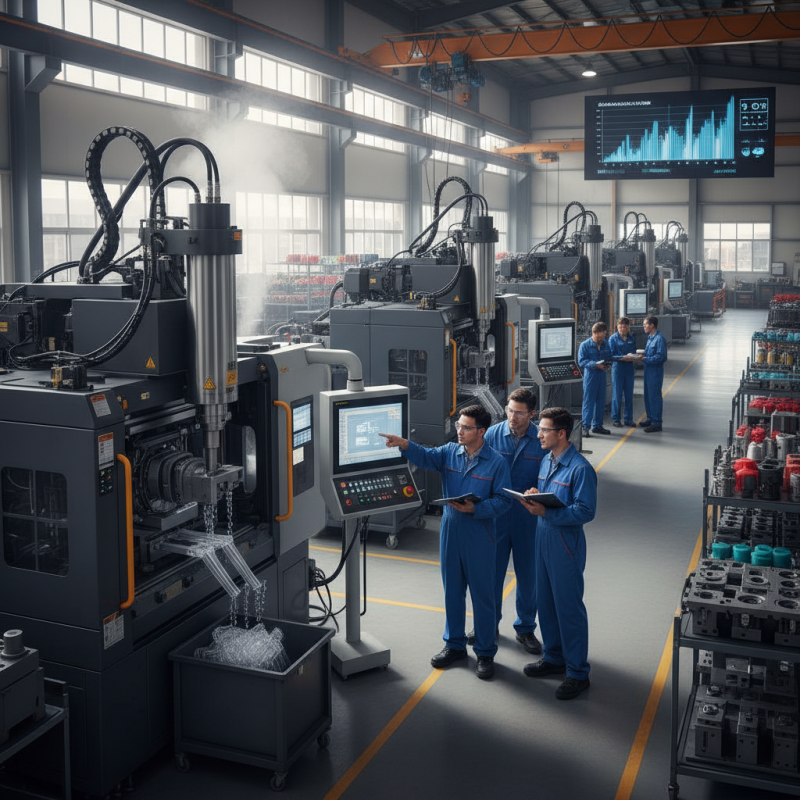
The injection mold manufacturing industry is complex and rapidly evolving. It requires a keen understanding of materials and processes. Various industries depend on precise molds for their production needs. This demand creates opportunities and challenges. Knowledge of the latest technology is essential. However, keeping up with innovations can be overwhelming.
Market research is crucial for success. Understanding customer needs helps in designing efficient molds. Approach potential clients with clear and relatable proposals. Miscommunication about capabilities can lead to wasted time and resources. Additionally, competition can be fierce, making differentiation important. Analyze what sets your services apart.
Cost management is another area to reflect on. Overhead can quickly add up, especially in the early stages. It's vital to monitor expenses versus revenue closely. Sometimes, unexpected costs arise from machinery or material delays. Adapting to these challenges requires flexibility and creativity. Balancing quality with cost can be tricky but necessary for long-term success.
Identifying target markets and understanding customer needs are crucial steps for a successful injection mold manufacturing business. It starts with market research. This involves surveying potential clients to grasp their specific needs. Are they in automotive, consumer products, or medical sectors? Each market has distinct requirements.
Understanding these needs means diving deeper. What designs do customers prefer? What materials do they favor? Consider using prototypes to gather feedback. Engaging with clients helps refine offerings. Sometimes, clients might not know exactly what they need. This can lead to misalignment and missed opportunities. Listening to their challenges can uncover valuable insights.
Establishing relationships is vital. Attend industry events and trade shows to network. Conversations at these venues often reveal emerging trends. However, it’s essential not to overlook the competition. Analyze what others are doing well, and learn from their missteps. This reflection can guide your decisions and improve your approach to market demands. Balancing what customers want with what you can provide is key; it often requires ongoing adjustment and adaptation.
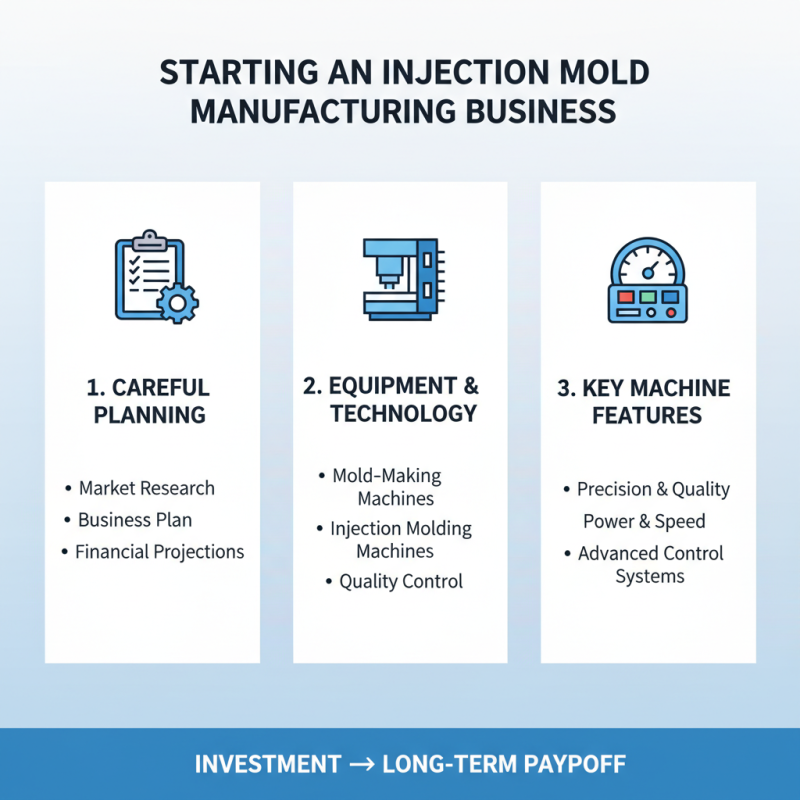
Starting an injection mold manufacturing business requires careful planning and significant investment in the right equipment and technology. Mold-making machines are essential. These machines determine the precision and quality of the molds. A high-quality injection molding machine can be a substantial investment, but it pays off in the long run. Consider features such as power, speed, and control system.
Besides molding machines, cooling systems are critical. Proper cooling can reduce cycle time significantly. However, the cost of these systems can add up quickly. Research is essential before purchase. Additionally, software for design and simulation should not be overlooked. Some enterprises invest heavily in advanced software but are left disappointed when it doesn't meet their specific needs. It is important to select a version that aligns with your product goals.
Training staff on new technologies is equally crucial. Many businesses neglect this aspect, leading to inefficiencies or errors. Investing in employee education can provide long-lasting benefits. Quality control equipment should also be part of your toolkit. This equipment ensures that products meet standards and enhance customer satisfaction. Balancing all these factors can be challenging, but doing so sets a strong foundation for success in the injection mold manufacturing industry.
Starting an injection mold manufacturing business requires a well-structured production plan and budget strategy. According to a report by the International Plastics Manufacturing Association, the average cost for setting up a mold manufacturing facility can range from $200,000 to over $1 million. This figure encompasses machinery, raw materials, labor, and facility rentals. However, unexpected expenses often arise. Budgeting for contingencies is critical.
In the production plan, capacity and efficiency must be prioritized. For example, investing in advanced CNC machines can enhance precision and reduce labor costs. A study from Manufacturing USA indicates that companies utilizing automation can see a 20% increase in output. Yet, it's essential to note that automation may require a significant initial investment. Balancing technology and budget is vital for long-term success.
Monitoring cash flow should be an ongoing process. Set aside funds for maintenance and upgrades. Companies often underestimate these needs. A survey by a leading industry group found that 30% of small manufacturers faced financial struggles due to inadequate budgeting. Reflecting on these insights can uncover weaknesses in your strategy.
This chart illustrates the various cost factors associated with starting an injection mold manufacturing business. Understanding these costs can help in developing a cost-effective production plan and budget strategy.
When embarking on an injection mold manufacturing business, regulatory compliance is key. Understanding safety standards is vital. Each region often has specific requirements. Research local guidelines before starting. This foundation helps reduce future setbacks. Consider how to adapt to these rules as your business grows.
Quality standards also define success in manufacturing. Materials must be sourced responsibly. Poor supply chain choices can compromise product quality. Regular audits can catch issues early but take time and resources. Creating an internal checklist may help maintain standards. It is not always easy; mistakes happen. Ensure your team is trained to recognize potential problems.
In navigating compliance and quality, continuous reflection is necessary. Are safety measures being followed? Is your team familiar with regulations? Taking time for these evaluations is crucial. The challenges can be frustrating, but they foster growth. Adjust strategies as new regulations emerge. A flexible approach is essential for long-term success.