#4 – 20133 102nd Avenue, Langley, B.C. V1M 4B4 Canada

#4 – 20133 102nd Avenue, Langley, B.C. V1M 4B4 Canada
In the realm of manufacturing, "Sheet Metal Plate" plays a vital role. This material is known for its versatility and strength. According to industry expert John Smith, "Sheet Metal Plate is essential for modern manufacturing processes." His statement highlights its importance in various applications.
Manufacturers utilize Sheet Metal Plates in countless ways, from automotive parts to construction elements. The customizable thickness and durability allow for innovative designs. However, the reliance on this material raises questions about sustainability in manufacturing practices. Production waste can impact the environment, demanding a more thoughtful approach.
Despite its advantages, the use of Sheet Metal Plates is not without challenges. Fabrication methods can lead to inconsistencies, affecting product quality. These concerns necessitate ongoing evaluation of techniques within the industry. Recognizing both benefits and drawbacks is crucial for the future of Sheet Metal Plate applications.
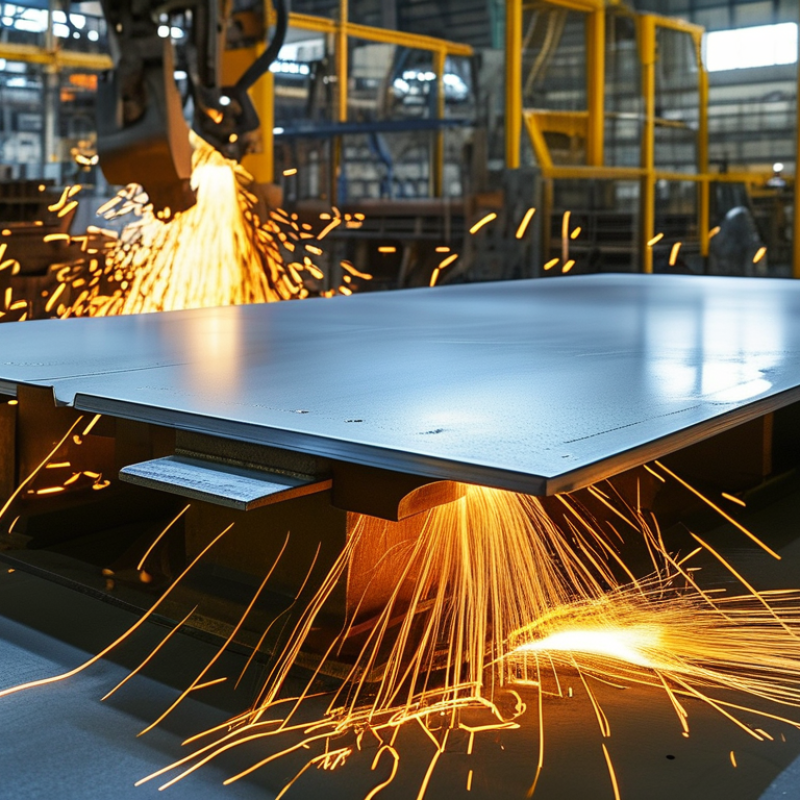
Sheet metal plate is a crucial component in manufacturing. It is defined as a flat piece of metal that has been shaped through processes such as rolling. This type of material displays versatility, making it essential across various industries, from automotive to construction. Different metals like steel, aluminum, and copper are often used. Each type offers unique properties, such as strength, weight, and corrosion resistance.
The characteristics of sheet metal plate are significant. Its thickness typically ranges from 0.004 to 0.25 inches. This range allows for flexibility and durability. The lightweight nature of certain metals, such as aluminum, encourages use in applications where weight is a concern. Furthermore, sheet metal can be easily cut, bent, or welded, making it suitable for customized designs. However, manufacturers may face challenges like warping or cracks during processing. Understanding these imperfections is crucial for improvement.
Sheet metal plates often require specific finishing techniques. Techniques include anodizing, galvanizing, and powder coating. These enhance durability but can also complicate the manufacturing process. Proper quality control methods must ensure a reliable final product. Exploring these characteristics leads to better applications in real-world scenarios. Each project necessitates careful consideration of material properties and potential weaknesses.
| Property | Details |
|---|---|
| Material Types | Aluminum, Steel, Stainless Steel, Copper |
| Thickness Range | 0.006" to 0.250" |
| Common Uses | Automotive parts, Appliances, HVAC components, Furniture |
| Manufacturing Processes | Laser Cutting, Punching, Bending, Welding |
| Finish Types | Anodized, Painted, Galvanized, Polished |
| Advantages | Strength, Durability, Versatility, Cost-effectiveness |
Sheet metal plates are integral components in various manufacturing sectors. They are vital in industries like automotive, aerospace, and construction. The choice of materials significantly affects the performance and durability of these metal plates. Common materials include steel, aluminum, brass, and copper. Each material offers unique properties catering to different applications.
Steel is widely used due to its strength and durability. According to a 2022 report by the World Steel Association, production of sheet steel reached approximately 850 million tons. Aluminum, while lighter, provides excellent corrosion resistance and is crucial for aerospace applications. A study by the Aluminum Association highlighted that lightweight aluminum components can enhance fuel efficiency in aircraft by up to 15%.
Brass, known for its machinability, is often used in electrical applications. It is resistant to corrosion and handles thermal stress well. Copper, though more expensive, offers superior electrical conductivity. Industry data indicates that copper usage in manufacturing has been steadily rising, aligning with the growth in electronic devices. Each material has advantages and challenges that manufacturers must consider for optimal design and performance.
Sheet metal plates are critical in manufacturing, known for their versatility and strength. The industry widely uses standard thicknesses ranging from 0.02 inches to 0.25 inches. Sheets thicker than 0.25 inches are considered plate metal. These dimensions are crucial because variations can impact final product quality and function.
The American Society for Testing and Materials (ASTM) outlines specific standards for sheet metal thickness. For instance, sheets used in automotive applications often range from 0.04 to 0.12 inches. This thickness offers a balance between weight and strength, essential for safety and efficiency in design. Yet, not all industries follow these standards uniformly. Some may favor custom thicknesses based on specific needs, sometimes leading to non-standard practices that could raise quality concerns.
In construction, common sizes like 4'x8' sheets are prevalent. However, sizes can vary based on the project. Custom dimensions can introduce risks, like miscalculations during fabrication. Recognizing these inconsistencies is vital for consistent quality and performance. Understanding the nuances of sheet metal dimensions ensures reliable outcomes across various manufacturing sectors.
This chart illustrates the diverse applications of sheet metal plates across several key industries, highlighting the significant role of sheet metal in automotive and aerospace manufacturing.
Sheet metal plates are essential components in various manufacturing sectors. They serve versatile purposes, from forming structural frameworks to creating intricate components. Industries such as automotive, aerospace, and construction heavily rely on them for producing reliable products.
In automotive manufacturing, sheet metal plates are used for body panels and chassis. Their durability ensures safety and longevity in vehicles.
The aerospace sector utilizes lightweight yet strong sheets for aircraft components. This balance of strength and weight is crucial for fuel efficiency. Construction also benefits from sheet metal, using it for roofing, siding, and support structures.
Tips: Always consider the thickness and material type when selecting sheet metal. Proper thickness ensures structural integrity. Additionally, understand the specific environmental factors the product will face. Moisture, temperature fluctuations, and physical stresses impact material choice. Evaluate your needs carefully to avoid costly mistakes later.
Advancements in sheet metal fabrication are revolutionizing the manufacturing landscape. Techniques such as laser cutting, waterjet cutting, and 3D printing are improving precision. According to a report from the International Sheet Metal Association, the adoption of these technologies has increased efficiency by nearly 25% in the last five years. Manufacturers can produce complex shapes faster and with less waste.
Automation plays a significant role in these advancements. Robotic arms now assemble parts, reducing human error. This shift is projected to save manufacturers billions annually. However, the upfront costs of implementing automation can be daunting. Companies must weigh the long-term benefits against immediate financial outlays.
Tip: Always consider your production volume when investing in new technologies. A technology that works for one scale may not fit another. Regularly evaluate your fabrication methods to ensure you remain competitive. It’s essential to stay abreast of industry trends, but be cautious of hasty decisions that may not align with your operational goals.