#4 – 20133 102nd Avenue, Langley, B.C. V1M 4B4 Canada

#4 – 20133 102nd Avenue, Langley, B.C. V1M 4B4 Canada
In the fast-paced manufacturing landscape, rapid injection molding has emerged as a cornerstone for efficient prototyping. According to a report by Grand View Research, the global market for injection molding is projected to reach $320 billion by 2025. This technology streamlines the prototype development process, allowing companies to reduce lead times significantly. Experts emphasize its importance for startups and established firms alike.
Dr. Emily Tran, a leading expert in polymer processing, stated, “Rapid injection molding can cut production times by up to 70%.” This dramatic reduction enables businesses to innovate faster while still meeting quality standards. However, challenges remain. Initial setup costs can be high, and design iterations may require additional investment. Companies often grapple with balancing cost-effectiveness and speed.
Moreover, not every project benefits equally from rapid injection molding. It works best for high-volume runs and designs with minimal changes. Reflecting on practical applications reveals the importance of understanding the limitations. Manufacturers must weigh the benefits against potential drawbacks, ensuring that rapid injection molding aligns with their specific project goals.
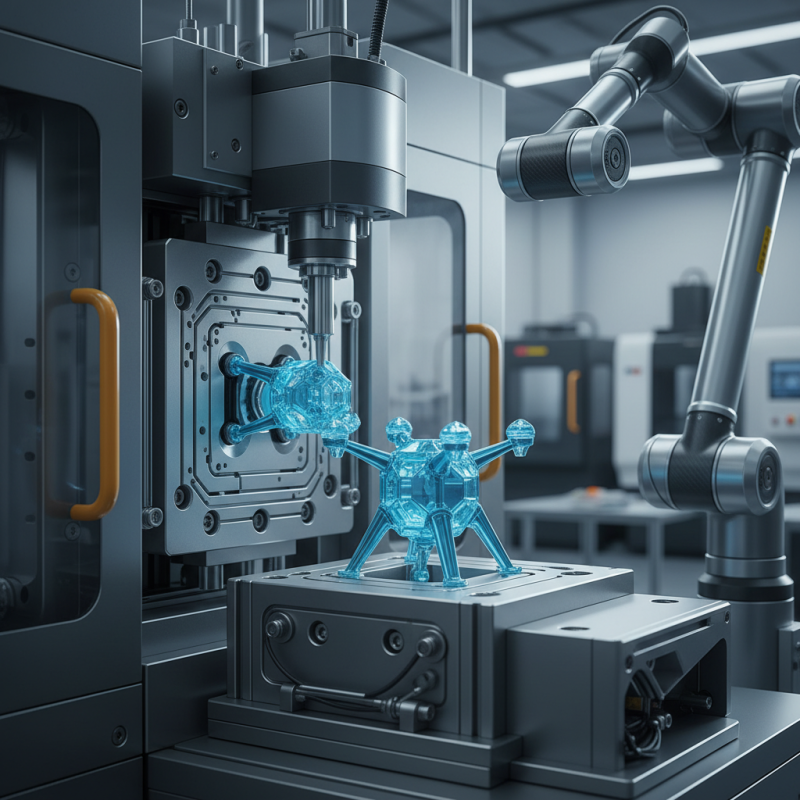
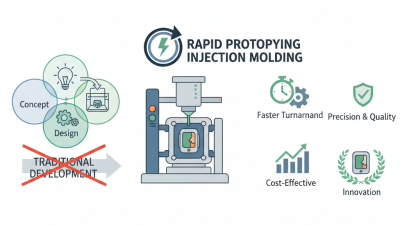
Rapid injection molding is a powerful technique for creating prototypes quickly and efficiently. This method streamlines the development process and reduces time to market. It is especially advantageous for businesses that need to test designs without excessive costs. Traditional injection molding can take weeks or months. In contrast, rapid injection molding can deliver prototypes in days. Adjustments can be made easily during the design phase.
When using rapid injection molding, consider material selection carefully. Different materials offer unique properties that can affect the prototype's performance. Some might not be suitable for specific applications. It's crucial to consult with professionals if unsure.
Tips for successful prototyping include keeping designs simple. Complex geometries can increase costs and complicate the molding process. Also, always request a small batch first. This allows for testing functionality without making significant investments. Lastly, gather feedback from users. Understanding their perspectives can lead to meaningful improvements.
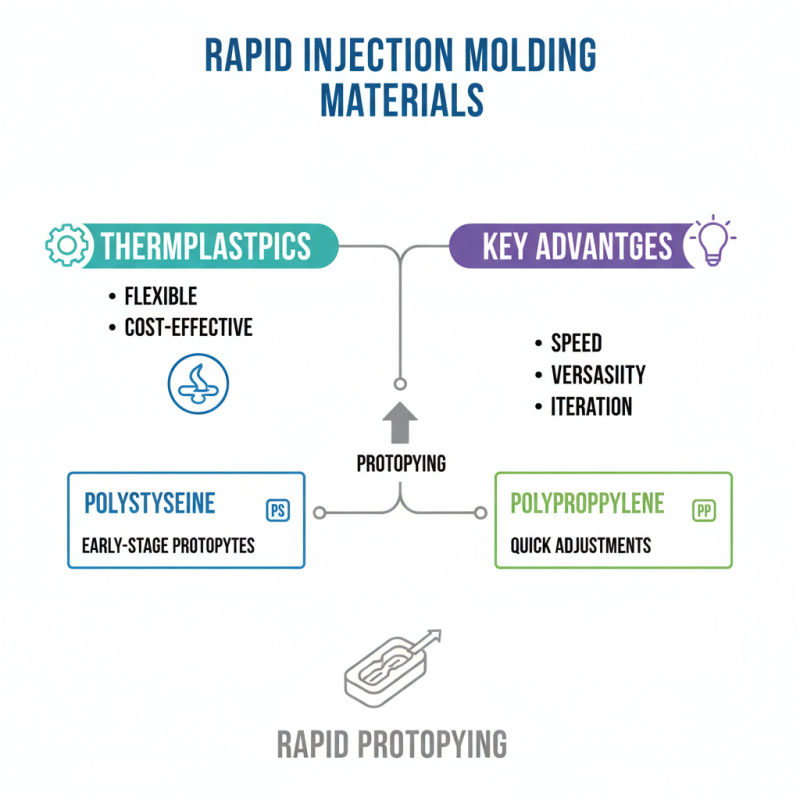
Rapid injection molding offers a unique approach to prototyping, particularly through the selection of key materials. Common materials include various thermoplastics, which are widely used due to their flexibility and cost-effectiveness. Polystyrene and polypropylene are popular choices for early-stage prototypes. They allow for quick adjustments and modifications.
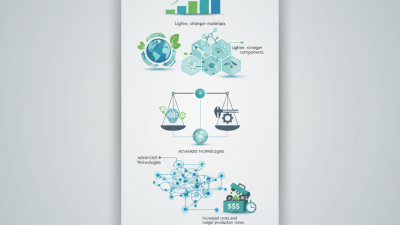
Another essential material is silicone rubber, perfect for creating parts with complex geometries. Silicone molds can handle higher temperatures and provide excellent detail reproduction. However, it’s important to note the trade-offs, such as higher costs and longer lead times associated with silicone compared to standard plastics.
Tips: Always consider material compatibility with your product requirements. Test different materials to see how they perform in your application. Trial runs help expose material limitations early on. Sometimes, a less ideal choice leads to better insights. Remember to document your findings as they can guide future projects. Experimenting with various materials often reveals unexpected benefits or setbacks. Stay open to learning from each prototype.
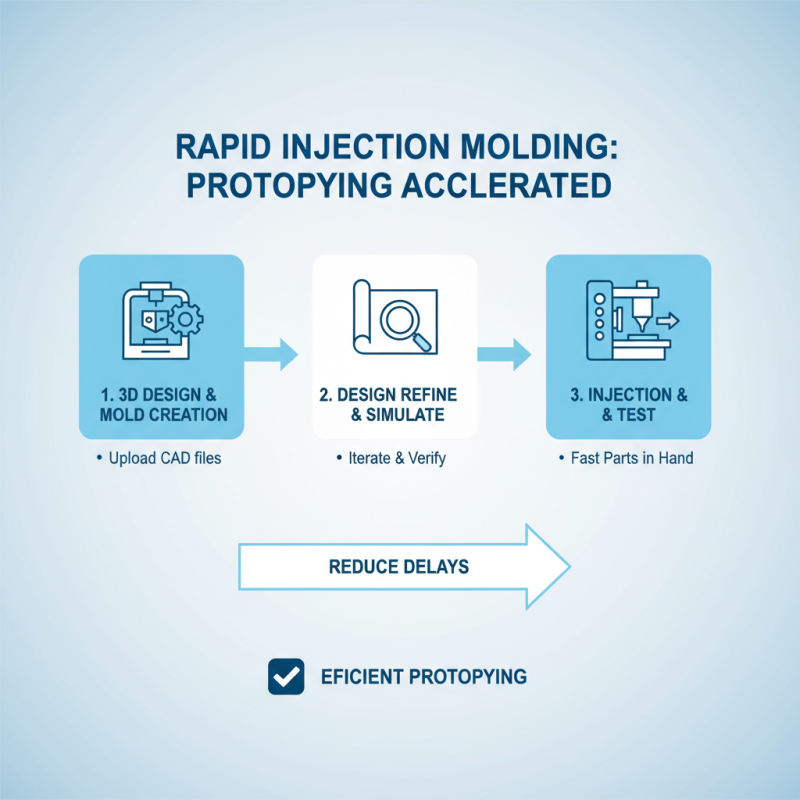
Rapid injection molding is an excellent approach for efficient prototyping. The process starts with creating a mold based on 3D design files. This can take time and effort. It’s crucial to fine-tune the design before proceeding. Even minor errors can lead to significant delays.
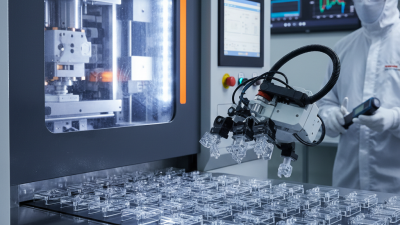
Once the mold is ready, molten plastic is injected into it. This step delivers rapid results, but care is needed. The pressure and temperature must be controlled closely. If not, inconsistencies in the final piece may occur. It’s wise to conduct tests with small batches initially.
After production, evaluating the prototype is essential. Look for any defects or design flaws. Sometimes a good design may not translate well into a physical product. Receiving feedback from testing can help refine the prototype further. Adjustments can lead to better results in the subsequent molding processes. It’s a cycle of improvement, bringing you closer to the final product.
Designing prototypes for rapid injection molding requires a clear understanding of both the process and the material. The choice of material can significantly impact the prototype's usability. For example, using durable thermoplastics can improve functionality. However, while selecting materials, consider their processing capabilities. They should flow well in molds to avoid defects.
It's crucial to create designs that minimize complexity. Simple geometries can reduce costs and lead times. However, don’t overlook features that might need adjustments later. For instance, add fine details if necessary. But remember, they could complicate the injection process. A balance between aesthetics and functionality is vital.
Regularly assess your design throughout the development phase. Prototyping is iterative. Learn from each version. Evaluate how your design withstands testing. Is it too rigid? Does it fit the intended use? These reflections can guide necessary modifications. Aim for improvement, but do not aim for perfection. Embrace the learning curve as part of the rapid injection molding journey.
Rapid injection molding has become a game-changer across various industries. It plays a crucial role in manufacturing automobile parts. Companies can create precise components faster than traditional methods. This efficiency helps in reducing time-to-market for new vehicle models. Manufacturing medical devices also benefits greatly from this technology. It allows for quick prototyping and testing of designs. This is vital when safety and accuracy are paramount.
Consumer electronics is another sector where rapid injection molding shines. Products like phone cases and housings require speed and precision. The iterative process of rapid prototyping makes it easier to refine designs quickly. However, not all designs translate well into injection molding. Some products may face complex challenges that slow down production. Companies must reflect on their designs and adapt as needed. Striking a balance between speed and functionality is key.
| Application Area | Industry | Benefits | Typical Timeframe |
|---|---|---|---|
| Consumer Electronics | Electronics | Faster prototyping and reduced costs | 2-4 weeks |
| Automotive Parts | Automotive | Enhanced design iteration | 3-6 weeks |
| Medical Devices | Healthcare | Rapid feedback on product design | 4-8 weeks |
| Consumer Goods | Manufacturing | Cost-effective low-volume production | 2-5 weeks |
| Industrial Components | Industrial | Precision and accuracy in parts | 3-7 weeks |