#4 – 20133 102nd Avenue, Langley, B.C. V1M 4B4 Canada

#4 – 20133 102nd Avenue, Langley, B.C. V1M 4B4 Canada
Precision molding is a key manufacturing process that ensures high accuracy in producing complex parts. According to a report by MarketsandMarkets, the global precision molding market is projected to reach $23.04 billion by 2025. This rise is driven by increasing demand in industries such as automotive, healthcare, and consumer electronics.
Dr. Sarah Jones, a leading expert in precision molding, emphasizes the importance of this technology, stating, "Precision molding is essential for creating components that meet rigorous quality standards." High precision molds lead to better product performance and lower waste rates. However, achieving this precision requires advanced machinery and skilled labor.
Despite its advantages, the industry faces challenges, including high initial costs and the need for continuous innovation. Companies must navigate these obstacles to maintain competitiveness. Ultimately, precision molding plays a significant role in modern manufacturing, highlighting the delicate balance between technology, cost, and quality.
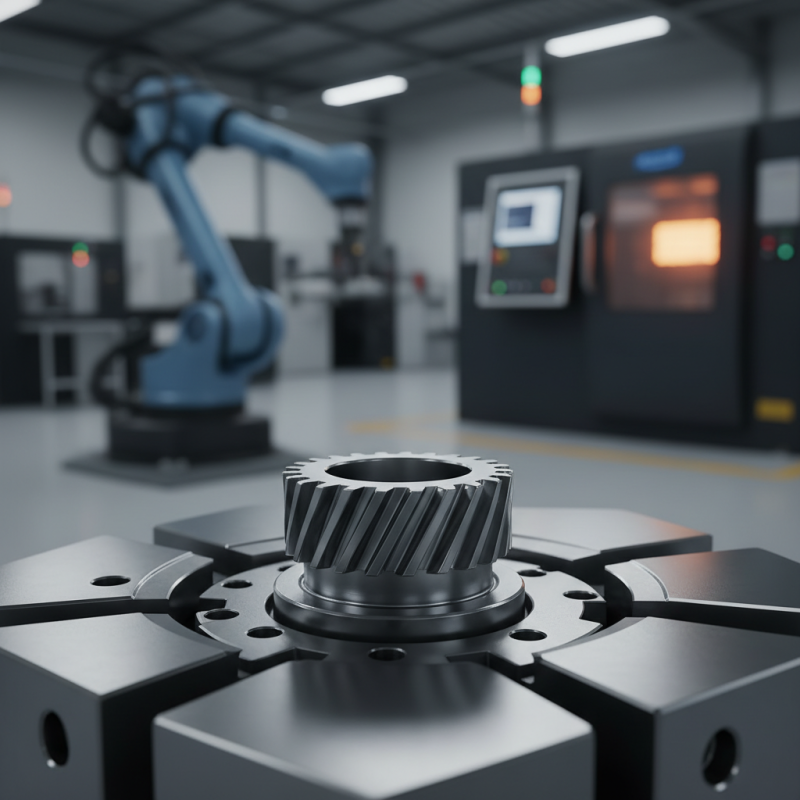
Precision molding is a manufacturing process that creates detailed parts and components. It utilizes molds to shape materials like plastics, metals, or ceramics. This method emphasizes accuracy and repeatability, making it popular in various industries. Engineers can produce complex designs with great precision. Each mold is crafted to exact specifications, ensuring consistent quality across every piece produced.
The process starts with creating a prototype. This prototype helps engineers visualize the final product. Once finalized, the mold is made, often using computer-aided design (CAD) software. Materials are then heated and injected into the mold, where they cool and harden into the desired shape. Variations in temperature or pressure can lead to imperfections. These factors need careful monitoring to ensure high-quality output.
Precision molding demands meticulous attention to detail. Even minor flaws can affect how parts fit together. It's a balancing act to maintain quality while optimizing production speeds. With advancements in technology, there’s always room for improvement. The journey of precision molding constantly challenges creators to refine processes and enhance accuracy.
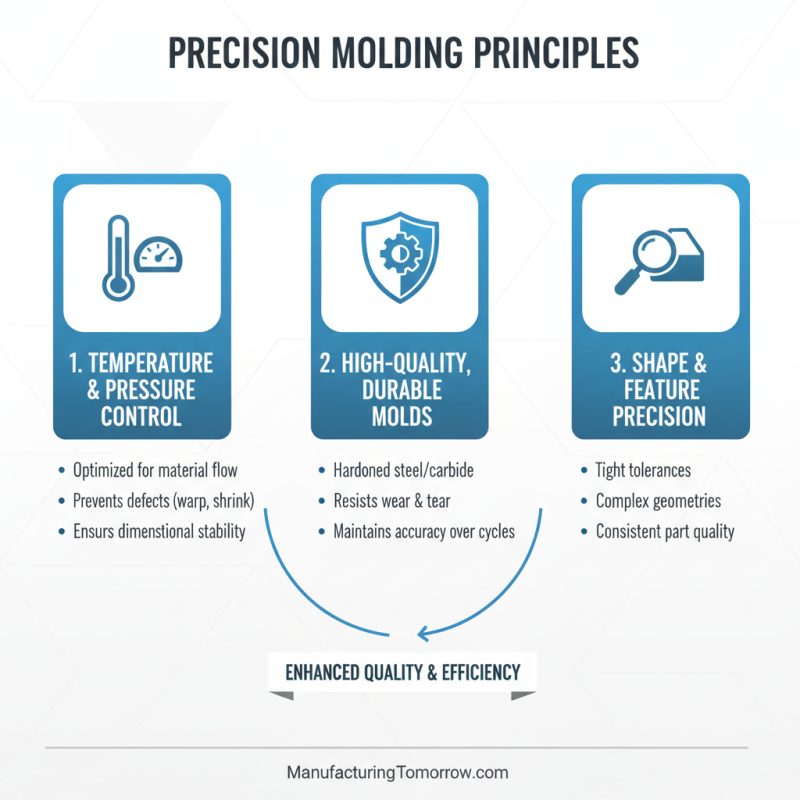
Precision molding is a manufacturing process that focuses on creating precise shapes and features. This technique relies on several key principles that enhance quality and efficiency. One important aspect is the control of temperature and pressure during molding. High-quality molds are often made from durable materials to withstand repeated use and ensure dimensional accuracy.
According to industry reports, precision molding can achieve tolerances as tight as ±0.01 mm. This level of accuracy is critical in industries like automotive and medical device manufacturing, where even minor deviations can impact performance. The use of advanced software for mold design also plays a significant role in achieving precision. Visualizing the mold's flow and filling patterns can reduce defects and improve overall quality.
**Tip:** Regular maintenance of molding equipment can prevent inaccuracies. Keep machinery calibrated and inspect molds frequently.
Some challenges persist in the precision molding process. Variations in material quality may lead to inconsistent results. Additionally, the skilled labor required can often be a limiting factor. Training programs can help address this, ensuring workers are adept at handling complex equipment with precision.
**Tip:** Investing in training can enhance workforce skills and improve product quality. Always assess material sources thoroughly.
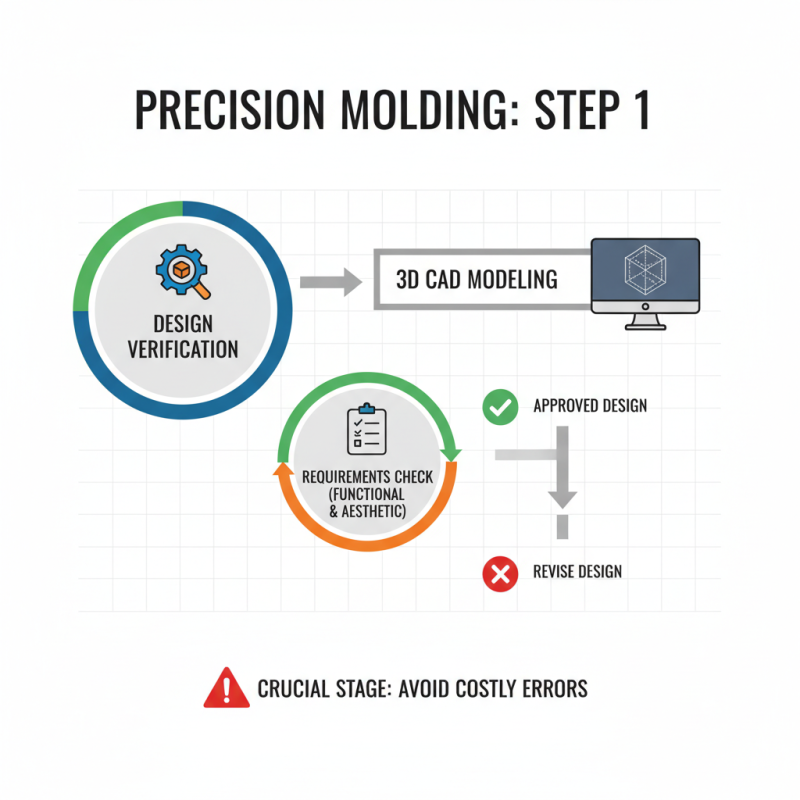
Precision molding is a complex process that involves several detailed steps. It starts with design verification. Engineers create a 3D model of the product. They use CAD software to ensure the design meets functional and aesthetic requirements. This stage is crucial. If the design is flawed, it can lead to costly mistakes later.
Next is the mold creation phase. Skilled technicians make molds from durable materials like steel or aluminum. These molds are often subjected to high precision machining to achieve the necessary specifications. Even small imperfections can cause defects in the final product. Thus, attention to detail is paramount.
After the molds are ready, the plastic material is prepared. There are different types of plastics suitable for injection or compression. The temperature must be carefully controlled. If it’s too high or too low, the material may not flow correctly into the mold. Lastly, cooling and finishing processes follow. This step ensures that the product meets all design standards. Each phase requires critical evaluation. Mistakes can lead to waste and delay.
Precision molding is a key process across various industries including automotive, medical, and consumer goods. In the automotive sector, precision molding enhances manufacturing efficiency. It ensures that components, such as dashboards and panels, fit perfectly. According to a 2022 report by Industry Insights, 30% of automotive parts are now produced using precision molding techniques. This shift reduces waste and cuts production costs.
In the medical industry, precision molding plays a critical role in producing small, intricate parts. Devices like syringes or surgical instruments require high accuracy. A study conducted by the Medical Device Manufacturing Association revealed that precision molding improves product reliability by 40%. However, the challenge lies in maintaining consistency. Small deviations can lead to significant issues in medical applications.
Consumer goods also benefit from this technology. Products requiring fine details, like electronic housings, use precision molding for better aesthetics and functionality. The global market for precision molding is expected to grow by 8% annually through 2025. Despite this growth, companies must reflect on their processes. Quality control remains a crucial aspect that cannot be overlooked. Accurate molding can lead to significant advantages, but any oversight can result in costly recalls.
Precision molding is a technique that demands attention to detail. It creates components with exact specifications. This method offers distinct advantages. However, it also presents challenges.
One major benefit is the high accuracy in production. Parts are made to fit precisely, reducing waste. This can lead to cost savings over time. The surface finish of precision molded parts is often better than traditional methods. This can reduce the need for post-processing. However, achieving this level of precision can be difficult. It often requires specialized machinery and expert operators.
**Tips:** Consider investing in training for your team. Knowledgeable staff can identify issues early. Regular maintenance of equipment is vital. Outdated machines can lead to mistakes. Balancing the cost of high-quality materials with production needs is crucial. Sometimes, cheaper materials may seem tempting but could compromise your final product. Reflecting on these aspects can enhance your precision molding operations.
| Dimension | Value |
|---|---|
| Material Type | Thermoplastics |
| Typical Tolerance | ±0.02 mm |
| Cycle Time | 30-90 seconds |
| Common Applications | Medical Devices, Automotive Parts, Consumer Electronics |
| Advantages | High Precision, Reduced Material Waste, Improved Product Quality |
| Challenges | Higher Initial Cost, Complexity in Tooling, Maintenance Requirements |