#4 – 20133 102nd Avenue, Langley, B.C. V1M 4B4 Canada

#4 – 20133 102nd Avenue, Langley, B.C. V1M 4B4 Canada
Selecting a reliable Corrugated Box Feeder Machine supplier requires more than comparing catalog prices. A feeder must handle corrugated blanks smoothly, maintain accurate spacing, and support stable production across demanding shifts. Small failures matter. A misaligned blank can stop a folder-gluer, waste board, and delay shipments.
This guide introduces leading Corrugated Box Feeder Machine suppliers worldwide. It considers practical performance, not only impressive specifications. Key factors include feeding speed, servo control, vacuum stability, format changeover, sensor accuracy, and maintenance access. Supplier experience also deserves close attention. A strong manufacturer should provide installation guidance, operator training, spare parts, and responsive technical support.
Mike Ferrari, a packaging engineer and former Procter & Gamble packaging executive, has said, “Packaging is a system, not a box.” That principle fits feeder selection. The machine must work with the board grade, printing line, folder-gluer, and factory workflow. One supplier may offer higher speed, while another provides better customization or service coverage. The fastest option is not always the best option.
No supplier is perfect. That deserves honest consideration. Brochures may show ideal materials, skilled operators, and spotless conditions. Real factories face dust, humidity, worn belts, mixed blank sizes, and rushed changeovers. Therefore, this overview emphasizes verifiable capabilities, customer support, machine durability, and total operating value. Readers should still request samples, conduct acceptance tests, and confirm regional service before purchasing. Performance on your actual line matters most.
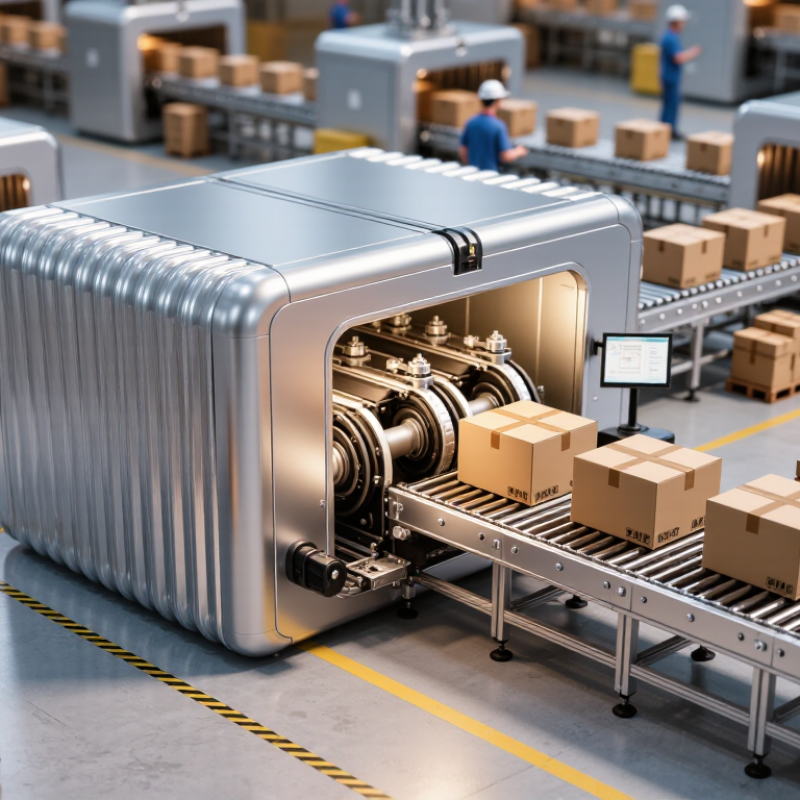
A corrugated box feeder machine separates and delivers flat carton blanks into a production line. It usually includes a loading hopper, feed belts, vacuum devices, sensors, and adjustable guides. The machine lifts one blank at a time, controls its position, and sends it toward printing, folding, or gluing equipment. It is not simply a conveyor. Accurate separation is its main job.
In real production settings, operators adjust belt pressure and guide width for different board sizes. Thin cartons may bend under excessive vacuum. Heavy corrugated sheets can slip when the belt surface is worn. Small details matter. Dust on sensors may cause missed feeds or unexpected stops. A reliable feeder should offer stable speed control, accessible adjustment points, and clear safety protection around moving parts.
Performance also depends on material quality and operator experience. Warped blanks, uneven stacking, and changing humidity can reduce feeding accuracy. A practical inspection should test several carton sizes, speeds, and stack heights before regular operation. Suppliers with technical knowledge should explain maintenance intervals, spare parts, training, and fault diagnosis. Some machines look efficient during a short demonstration but perform differently after hours of continuous feeding. That gap deserves careful attention.
| Data Dimension | Typical Industry Information | How It Works or Why It Matters | Common Selection Considerations |
|---|---|---|---|
| Definition | A corrugated box feeder machine is an automatic system that separates, aligns, and continuously feeds corrugated sheets, printed blanks, or pre-formed boxes into the next production process. | It reduces manual loading and maintains a consistent material flow for printing, folding, gluing, die-cutting, stitching, taping, or packing operations. | Confirm whether the machine is designed for flat box blanks, corrugated sheets, or erected cartons, because these applications require different feeding mechanisms. |
| Main Material | Single-wall and double-wall corrugated board are commonly handled. Typical flute profiles include E, B, C, and combinations such as EB or BC. | Board construction affects stiffness, thickness, bending resistance, and the required separation force. | Check the maximum board thickness, flute combination, surface finish, print coating, and moisture sensitivity before choosing a feeder. |
| Feeding Method | Common methods include friction feeding, vacuum-belt feeding, bottom feeding, top feeding, and servo-controlled sheet feeding. | Friction systems use controlled contact between rollers or belts and the material. Vacuum systems use suction to stabilize and transport sheets or blanks. | Vacuum feeding is generally useful for lightweight, coated, warped, or difficult-to-separate materials, while friction feeding is often simpler and more economical. |
| Typical Sheet or Blank Size | Commercial machines are available for small-format packaging as well as large-format corrugated sheets. Typical working widths range from approximately 300 mm to more than 2,000 mm, depending on machine design. | The feeder must accommodate the maximum and minimum length, width, and diagonal dimensions of the intended material. | Specify usable feeding width, sheet length, blank orientation, stack height, and the required adjustment range rather than relying only on nominal machine size. |
| Typical Material Thickness | Many corrugated-board feeders support material from approximately 1.5 mm to 10 mm, although the actual range varies by construction and feeding method. | Thickness influences the separation setting, pressure-roll position, vacuum level, and transport stability. | Test the thinnest and thickest board used in production, especially when the product range includes both single-wall and double-wall cartons. |
| Production Speed | Typical operating speeds range from approximately 60 to 300 pieces or sheets per minute. High-speed systems may exceed this range under suitable material and layout conditions. | Actual output depends on blank size, board quality, stack condition, machine configuration, downstream equipment, and changeover frequency. | Compare stable continuous output rather than the maximum advertised speed. Ask for test results using the same board grade and blank design as the planned production. |
| Stack Capacity | Stack capacity is commonly specified by stack height, with many systems accepting approximately 500 mm to 1,500 mm or more. | A larger stack reduces the frequency of replenishment and can support longer unattended production periods. | Consider board compression, operator access, stacker design, floor space, and whether the feeder can be loaded while running. |
| Drive and Control System | Modern feeders commonly use variable-frequency drives or servo motors, programmable controllers, touchscreen interfaces, sensors, and automatic speed synchronization. | Electronic synchronization helps match the feeder speed with printing presses, folder-gluers, die-cutters, conveyors, and packing lines. | Review speed control resolution, recipe storage, fault alarms, remote diagnostics, encoder feedback, and compatibility with existing line controls. |
| Alignment and Separation | Typical systems include side guides, front stops, separator fingers, air assistance, vacuum chambers, pressure rollers, and registration sensors. | These components help prevent double feeding, skewed blanks, overlapping sheets, and interruptions caused by static or uneven stacks. | Prioritize adjustable guides, accessible change parts, reliable double-sheet detection, and settings that can be repeated for different carton sizes. |
| Integration Applications | Corrugated box feeders are commonly integrated with flexographic printers, rotary die-cutters, flatbed die-cutters, folder-gluers, stitchers, taping machines, strapping systems, and case-packing lines. | The feeder provides a controlled and continuous supply of material to the next operation. | Check conveyor height, feed direction, electrical requirements, communication protocols, emergency-stop circuits, and available installation space. |
| Automation Level | Available configurations range from manually loaded semi-automatic feeders to fully automatic systems with stack handling, recipe management, automatic setup, and line-speed synchronization. | Higher automation can reduce labor requirements and improve repeatability, but it usually increases investment and maintenance complexity. | Select automation according to production volume, labor availability, product variety, changeover frequency, and return-on-investment expectations. |
| Quality and Safety Features | Common features include guards, emergency-stop buttons, interlocked access doors, overload protection, jam detection, double-sheet detection, and missing-sheet sensors. | These functions help protect operators, reduce equipment damage, and prevent defective or incomplete production from reaching downstream processes. | Verify compliance with applicable local machinery-safety requirements and request documentation for risk assessment, electrical protection, and emergency circuits. |
| Compressed Air and Vacuum Requirements | Pneumatic separators and vacuum feeders may require a clean, dry compressed-air supply. Vacuum generation can be provided by an integrated pump or a centralized plant system. | Stable air pressure and vacuum flow are important for consistent sheet separation and transport. | Confirm air pressure, air consumption, vacuum capacity, filtration requirements, noise level, and whether the installation needs an external compressor. |
| Changeover Requirements | Changeover may involve adjusting side guides, feed rollers, separator settings, vacuum zones, conveyor width, and machine recipes. | Shorter setup time improves productivity when multiple box sizes or board grades are processed on the same line. | Look for tool-free adjustments, digital position indicators, saved product recipes, quick-release components, and clear setup instructions. |
| Maintenance Items | Routine maintenance commonly includes cleaning vacuum openings, inspecting belts and rollers, checking bearings, lubricating specified points, and verifying sensors. | Regular maintenance helps maintain feeding accuracy and reduces stoppages caused by dust, adhesive residue, belt wear, or misalignment. | Evaluate access to wear parts, preventive-maintenance intervals, spare-parts availability, service documentation, and operator training requirements. |
| Key Supplier Evaluation Criteria | Important criteria include material compatibility, proven throughput, machine construction, controls, safety functions, installation support, spare parts, training, and after-sales service. | A feeder should be evaluated as part of the complete packaging line rather than as an isolated machine. | Request a material trial, layout drawing, utility list, acceptance criteria, warranty terms, delivery schedule, and total cost of ownership information. |
Note: The performance figures shown are typical industry ranges for preliminary comparison only. Actual specifications vary by machine configuration, corrugated-board grade, blank geometry, production line, and operating conditions.
Corrugated box feeder machines depend on precise coordination between the magazine, separation unit, vacuum system, and transfer conveyor. The magazine holds flat blanks in a controlled stack. Adjustable side guides prevent skewing, while a servo-driven singulator separates one sheet at a time. Vacuum cups or belts then lift the blank without crushing its flutes.
Small details matter.
Dust changes grip.
A reliable feeder uses pressure sensors, encoder feedback, and variable-speed drives to match the following folder-gluer or printer. Vacuum pumps need stable airflow, especially when lightweight or recycled board varies in stiffness. Smithers’ The Future of Global Corrugated Packaging to 2028 projects the market to exceed US$200 billion by 2028, increasing demand for faster, flexible feeding systems.
This growth also exposes weak maintenance practices. A feeder may run quickly, but unstable separation creates double feeds, jams, and hidden waste.
PMMI’s 2024 packaging automation research highlights labor availability and equipment flexibility as major investment factors.
Therefore, suppliers should provide tool-free guide adjustment, accessible sensors, and recipes for different board sizes. In practical testing, operators should inspect the first stack, listen for vacuum leaks, and measure feed accuracy over several minutes. A single successful cycle proves little. Humidity, warped blanks, and worn belts can change results. Some specifications look impressive on paper, yet real performance still depends on board quality and disciplined setup.
Evaluating a corrugated box feeder supplier requires more than checking catalog specifications. Start with feeding accuracy, machine speed, and stable operation under continuous production. A reliable system should position sheets evenly, even when cardboard thickness changes. Ask for measured output data, not broad marketing claims. Small gaps matter.
Inspect the machine’s handling of warped, lightweight, and recycled board. These materials often expose weak vacuum control or poor alignment. Request a live trial using your actual sheet sizes and flute profiles. Observe jams, noise, adjustment time, and waste levels. A supplier should explain the test conditions clearly. Vague answers deserve caution.
Service capability is equally important. Review response times, spare-part availability, training, and remote diagnostic support. Electrical safety, guarding, and documented maintenance procedures should meet applicable local requirements. Check whether operators can adjust guides without complicated tools. Practical details often determine daily productivity. The cheapest quotation may not be the lowest cost over five years. Still, performance trials can be imperfect, especially when factory samples differ from real production. Record the limitations honestly. A strong evaluation leaves room for doubt, verification, and later improvement.
Leading corrugated box feeder machine suppliers worldwide support packaging plants that demand steady output and accurate feeding. Their machines handle flat blanks, stacked cartons, and varied board thicknesses with controlled movement. Reliable suppliers usually provide tested feeding systems, clear specifications, and service teams familiar with production pressure. Speed matters, but stable alignment matters more.
Experienced buyers examine feeder accuracy, changeover time, motor efficiency, and maintenance access. They also ask for sample trials using their own corrugated board. This reveals problems that brochures often hide. Dust buildup can affect sensors. Uneven blanks can reduce feeding consistency. Good suppliers explain these limits instead of promising perfect performance. That honesty is valuable.
Strong international suppliers offer installation guidance, operator training, spare parts, and responsive technical support. Documentation should include safety procedures, wiring details, lubrication points, and troubleshooting steps. Regional service coverage may reduce downtime, especially for plants running multiple shifts. Still, no supplier is flawless. Response times can vary, and advanced options may increase training needs. Buyers should compare verified references, factory testing records, warranty terms, and long-term operating costs. A practical evaluation often matters more than an impressive demonstration.
Choosing a corrugated box feeder machine requires more than comparing hourly output. Start with board grades, box dimensions, flute profiles, and feeding accuracy. A reliable supplier should provide verified specifications, test reports, and practical installation support. Ask for sample trials using your own cartons. This exposes slipping, skewing, and inconsistent pickup before purchase. Check servo response, vacuum control, guarding, and spare-part availability. A fast machine is not useful if operators cannot adjust it safely. Confirm electrical requirements, manuals, training, and spare-part delivery for your region.
During installation, level the frame and keep the conveyor aligned with the folder-gluer or packaging line. Even a small height difference can crease cartons or cause double feeding. Set vacuum pressure gradually, rather than using maximum suction. Excessive suction may mark thin board. The first alignment is rarely perfect. Record feeder speed, sensor positions, and rejected-carton rates after testing. Maintenance should include daily cleaning around suction cups and sensors. Inspect belts, rollers, bearings, and pneumatic lines weekly. Replace worn parts before they create uneven feeding. In practice, teams often underestimate dust buildup. That mistake can reduce accuracy within days.
Tips: Keep a simple maintenance log. Photograph unusual wear. Train operators to stop the machine when noise, vibration, or carton drift appears. Do not rely only on supplier estimates; measure real output during a full production shift.