#4 – 20133 102nd Avenue, Langley, B.C. V1M 4B4 Canada

#4 – 20133 102nd Avenue, Langley, B.C. V1M 4B4 Canada
Construction Castings play a crucial role in the building industry. They provide essential components for structures, ensuring safety and strength. These castings are made from various materials, including metal and concrete, designed for durability.
Each casting serves a specific function, such as beams, columns, and foundations. Their design must meet strict engineering standards. However, not all castings meet these demands. Some may fail to achieve the necessary quality. This can lead to safety risks within the construction environment.
Understanding construction castings is vital for builders and engineers. A sound knowledge of their properties informs better design choices. It also enhances project longevity. In this way, construction castings are not just parts; they are fundamental to the integrity of buildings.
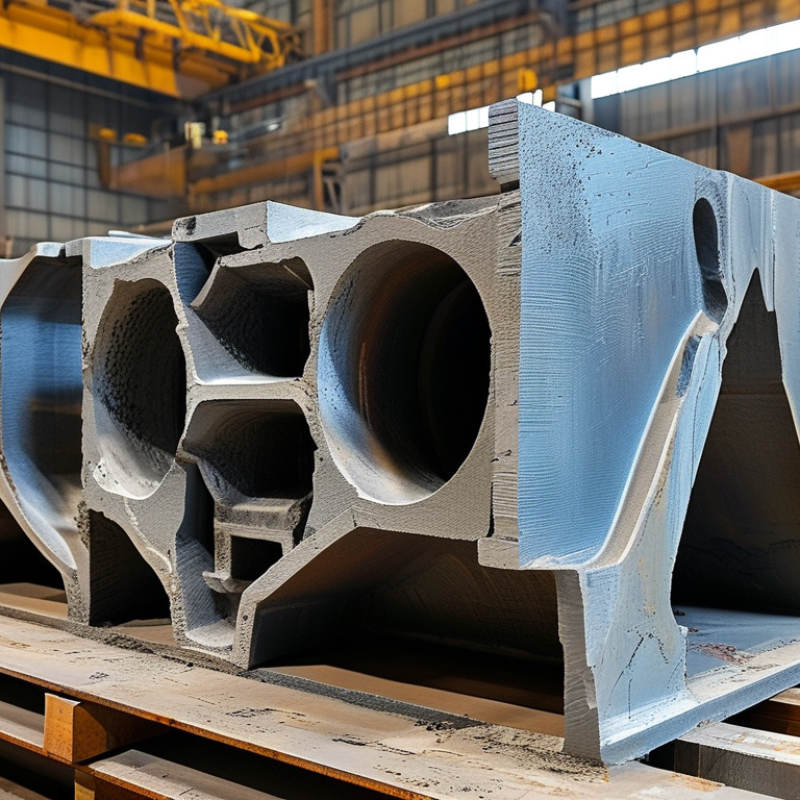
Construction castings refer to components created by pouring molten metal into molds. These parts play a crucial role in the construction industry. They are found in various applications, including machinery, pipelines, and structural supports. According to industry reports, the global market for castings is projected to reach $210 billion by 2025, highlighting their relevance.
The production of construction castings is an intricate process. Foundries use a range of metals, such as iron and aluminum, to create durable components. These castings must meet strict quality standards for safety and performance. A study indicates that over 30% of construction failures are linked to poor-quality materials, making reliable castings essential.
Tips: Ensure you source castings from reputable suppliers. Conduct thorough inspections to verify quality. Always consider the environmental impact of production methods. Choosing sustainable practices can enhance your project's success. Remember, even small defects in castings can lead to significant issues later. Prioritize quality control to minimize risks in construction.
Construction castings are integral to the structural integrity of buildings. These castings are typically made from materials like concrete, steel, and aluminum. Understanding these materials is essential for ensuring durability. Concrete offers strength and resilience, making it ideal for foundations and walls. Steel is often favored for its tensile strength, allowing for higher load-bearing capacities. Aluminum, while lighter, is valuable for specific applications where corrosion resistance is crucial.
The selection of materials impacts the overall quality of construction castings. Concrete can crack if mixed improperly, leading to weak structures. Steel can corrode without protective coatings, reducing its lifespan. Aluminum may not be as strong but is crucial in lightweight designs. Each material presents its challenges and requires careful consideration during the design phase. Ignoring these factors can result in costly repairs and safety risks, highlighting the importance of expertise in the field.
The manufacturing process of construction castings involves several key stages. It starts with the selection of high-quality raw materials like metals. These materials are melted in a furnace at extremely high temperatures. Once melted, the molten metal is carefully poured into molds, which shape the castings according to the specific requirements of construction projects.
After cooling, the castings undergo various finishing processes. This can include grinding, polishing, and machining. These steps ensure the castings meet precise specifications for strength and durability. Each process requires skilled labor and attention to detail. However, achieving perfect results is challenging. Small imperfections can emerge during cooling or machining.
Quality control plays a crucial role in the manufacturing process. This includes inspecting castings for structural integrity. Testing methods like ultrasonic or x-ray are used. Yet, even with rigorous checks, imperfections can slip through. Continuous improvement in techniques is essential to reduce flaws. The importance of construction castings lies in their reliability and strength, which are vital for safety in construction projects. As demands evolve, so must manufacturing processes.
Construction castings play a critical role in various industries. They provide the foundational elements needed in infrastructure development. For example, cast iron and steel castings are often used for heavy-duty applications. These materials are ideal for railways, creating sturdy tracks and robust components. Similarly, construction castings are vital in the production of manhole covers and drainage systems.
In addition to structural applications, construction castings also find uses in decorative elements. Architectural structures incorporate castings for aesthetic appeal and durability. Balustrades and facade details are common examples. These elements must meet both design and strength requirements, making high-quality castings essential. However, the quality can vary. Not all castings meet the rigorous standards required for construction purposes, leading to potential safety issues. Regular inspection and adherence to standards are necessary to ensure reliability and longevity in construction projects.
Construction castings play a pivotal role in modern engineering. These castings are essential components made from materials like iron, aluminum, and steel. They are fabricated using intricate molds that provide precise shapes and durability. This process ensures that they can withstand significant stress and environmental factors. In bridges and buildings, construction castings support structural integrity. They absorb loads and prevent failures.
However, not all castings are flawless. Incomplete molds or poor-quality materials can lead to defects. Engineers must vigilantly assess and test these castings during production. This careful scrutiny often reveals hidden weaknesses. The importance of adhering to quality standards cannot be overstated, as even minor flaws can result in substantial risks.
Moreover, the technological advancements in casting processes have elevated expectations. Innovative techniques allow for more complex designs and improved efficiency. Yet, the reliance on technology also invites challenges. There is a need for skilled professionals who understand both traditional methods and modern innovations. This balancing act requires ongoing training and expertise in the field.
| Dimension | Description | Importance |
|---|---|---|
| Material | Various metals such as cast iron, aluminum, and bronze | Durability and strength for construction applications |
| Applications | Used in infrastructure, buildings, machinery components | Crucial for ensuring structural integrity and reliability |
| Manufacturing Process | Involves melting metal and pouring into molds | Allows for complex shapes and customized solutions |
| Benefits | High resistance to wear and corrosion, low maintenance | Promotes long-lasting infrastructure and cost-effectiveness |
| Trends | Increasing use of recycled materials in casting | Sustainability and reduced environmental impact |