#4 – 20133 102nd Avenue, Langley, B.C. V1M 4B4 Canada

#4 – 20133 102nd Avenue, Langley, B.C. V1M 4B4 Canada
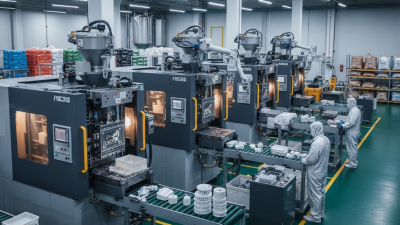
Choosing the right injection molding process can be complex. It involves various factors that impact your project's success. This process is essential for creating high-quality plastic parts efficiently.
When selecting an injection molding method, consider your material and design requirements. Different types of injection molding exist, each with unique advantages and limitations. For example, standard injection molding is widespread, but other processes like insert molding or blow molding may be more suited for specific applications.
Understanding your production volume needs is also crucial. High volumes might justify the cost of advanced machinery, while small runs may require more basic setups. Balancing cost and quality is not always straightforward. Sometimes, a cheaper option leads to unexpected expenses later. Reflecting on your specific needs will guide you to the correct choice.
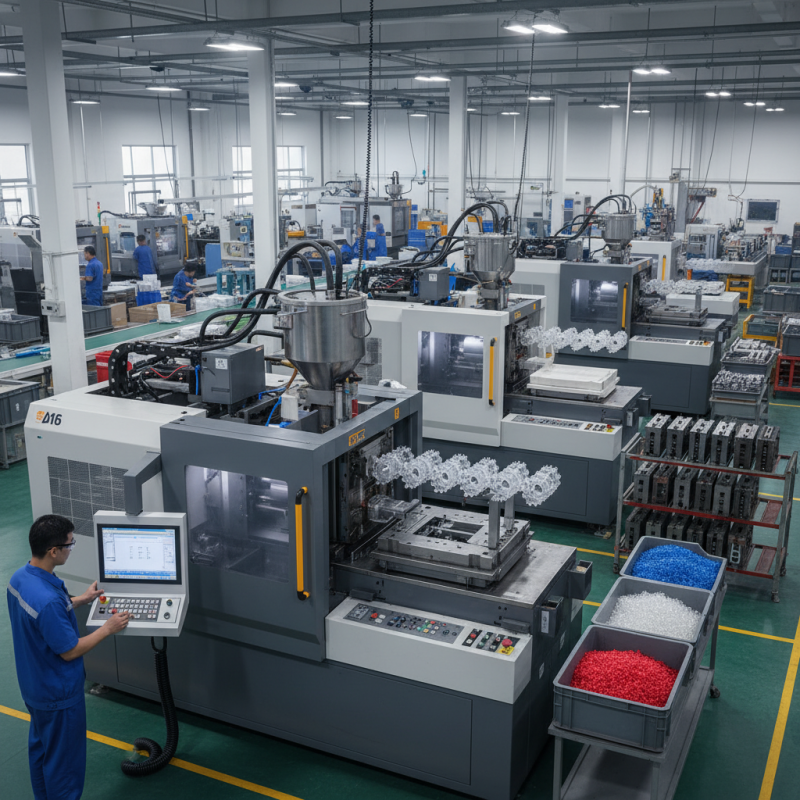
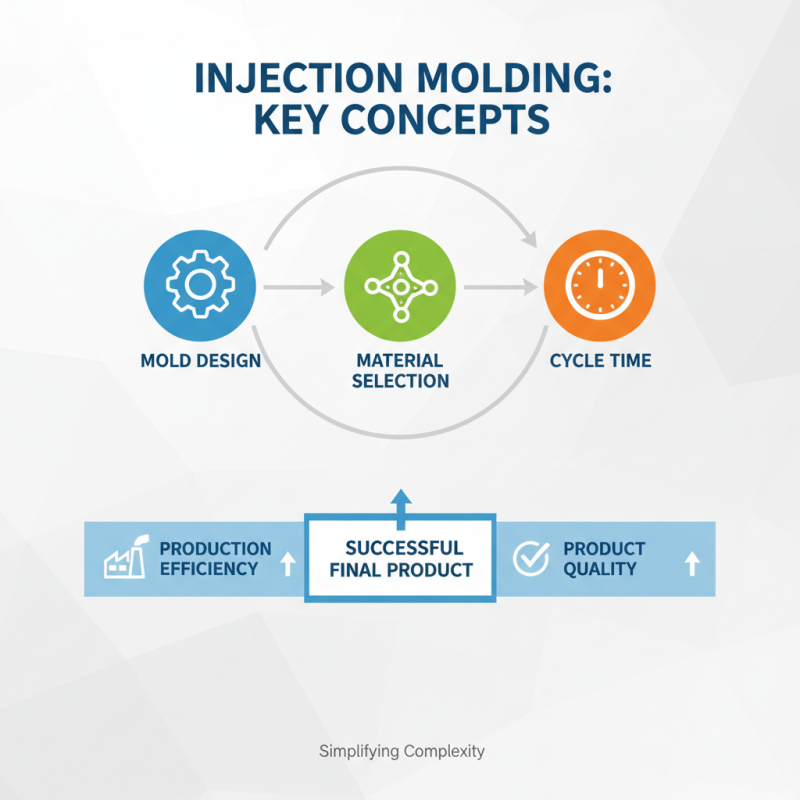
Injection molding is a complex process that requires careful consideration. Key concepts in this process include the mold design, material selection, and cycle time. Each component plays a crucial role in determining the success of the final product. Understanding these elements can significantly affect production efficiency and quality.
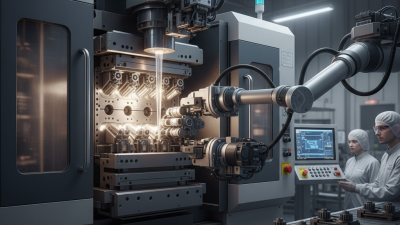
Mold design is often overlooked but can make or break a project. A well-designed mold ensures proper flow of molten material. It can reduce the chance of defects. On the other hand, poor mold design leads to problems like warping or incomplete filling.
Material selection also influences the durability of the final piece. Different materials offer unique properties, such as flexibility or strength. However, not every material is suitable for every project. Sometimes, the chosen material underperforms expectations. Reflecting on your choices is essential for continuous improvement in injection molding. Balancing these factors can help in achieving the desired results.
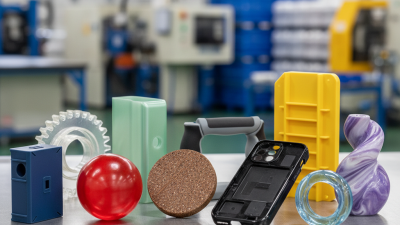
When choosing an injection molding process, project requirements play a vital role. Material selection is critical. Different materials behave differently under heat and pressure. For instance, thermoplastics are versatile, while thermosetting plastics offer durability. Evaluating the intended use of the product can help guide material choice.
Size is another key factor. Larger parts may require specialized equipment and techniques. It’s not just about the mold size; the shape can also complicate the process. Complex designs may lead to longer lead times and higher costs. In some cases, simpler shapes might be more effective and economical.
Complexity adds another layer of difficulty. Intricate geometries can increase production time. Moreover, they can complicate the mold design. It is essential to assess whether the benefits of a complex design justify these challenges. Reflecting on these factors early can save resources and lead to a more effective injection molding strategy.
When budgeting for injection molding, cost-effectiveness is key. Different techniques can greatly impact your project's bottom line. For example, standard injection molding can require an initial investment of $15,000 to $50,000 for tooling. In contrast, advanced techniques such as 3D printing for prototypes may only cost $1,500 to $5,000. However, 3D printing often requires more time for larger runs.
Material choice also plays a critical role. For instance, using thermoplastics can provide notable savings. Reports indicate that they are 20% cheaper than thermosetting plastics in production costs. Balancing material choice and technique is essential for maximizing efficiency. Custom parts may need more elaborate molds, leading to higher costs, but they can achieve precise specifications that save time.
Tips: Always consider the production volume. Higher volumes often justify the costs of more complex molds. Don’t overlook the hidden costs, such as post-processing or quality control. It might seem trivial, but these can accumulate quickly. A simple mistake in the early phases can lead to serious budget overruns. Prioritize flexibility; cheaper options might not deliver the desired quality. A thoughtful approach can streamline your project while keeping expenses in check.
When selecting an injection molding process, understanding the advantages and limitations can significantly influence your decision. Two common methods are traditional injection molding and multi-cavity molding. Traditional injection molding is widely used. It's cost-effective for large production runs. However, the initial setup costs can be high. This can be a barrier for small projects.
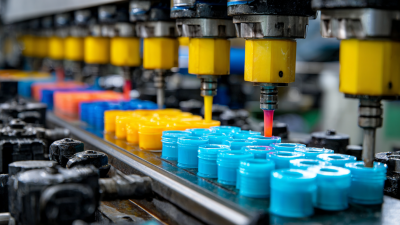
Multi-cavity molding offers a different approach. It increases efficiency by producing multiple parts in one cycle. This reduces cycle time and boosts production speeds. Nevertheless, it requires a more complex mold. This complexity often means higher initial costs and design challenges. If your project demands flexibility, this could be a limitation.
Tip: Assess your budget and production volume carefully. If your quantity is small, consider alternatives like 3D printing. It might save you costs and provide quick prototypes.
Another crucial aspect is material choice. Different processes can work better with specific materials. Injection molding works seamlessly with thermoplastics and thermosets. Choosing the wrong material can affect part quality and durability.
Tip: Always conduct a trial run. It helps to gauge how well your choice fits your project's needs. Don't overlook the importance of testing early. It can save time and money down the line.
In the world of injection molding, compliance with industry standards is essential. A recent report shows that 30% of defects relate to poor quality control. This can lead to significant financial losses. Companies must adhere to ISO 9001 certification. This certification outlines the requirements for a quality management system. Without it, manufacturers may struggle to meet customer expectations.
Quality control processes should be well-defined. Data indicates that implementing these processes can reduce defects by up to 50%. Regular audits are necessary to maintain compliance. Yet, companies often overlook this critical step. Training staff on quality standards is vital. Many workers may not fully understand their role in maintaining quality. This gap can cause inconsistencies in the final product.
Monitoring industry trends is crucial. The 2022 report highlighted a push for sustainable practices. However, some manufacturers still prioritize cost over compliance. This short-term thinking can backfire. Investing in quality and compliance pays off in the long run. Yet, it requires commitment and a shift in mindset. Understanding the impact of quality control can reshape project outcomes.
| Process Type | Material Compatibility | Production Speed | Cost Efficiency | Typical Applications |
|---|---|---|---|---|
| Standard Injection Molding | Thermoplastics, Thermosets | High | Moderate | Consumer Goods, Automotive Parts |
| Multi-Cavity Molding | Thermoplastics | Very High | High | High Volume Production, Electronics |
| Insert Molding | Various Metals, Plastics | Medium | Moderate | Automotive, Medical Devices |
| Blow Molding | Polyethylene, Polypropylene | High | Moderate to High | Bottles, Containers |
| Thermoforming | ABS, Polycarbonate | Medium | Low to Moderate | Packaging, Trays |