#4 – 20133 102nd Avenue, Langley, B.C. V1M 4B4 Canada

#4 – 20133 102nd Avenue, Langley, B.C. V1M 4B4 Canada
Choosing the right Cutout Electric Fuse is a practical protection decision, not a simple catalog search. The fuse must match the system voltage, continuous load, fault current, installation environment, and equipment requirements. A rural transformer, for example, may face lightning, moisture, and repeated temporary faults. An indoor feeder may demand different performance.
Dr. John D. McDonald, a recognized power-system protection engineer, emphasizes, “Protection should be coordinated with the equipment it serves, not selected in isolation.” This principle guides the selection process. A fuse that opens too quickly can interrupt normal energizing current. One that opens too slowly may leave a transformer exposed to damaging fault energy. Both choices can look acceptable on paper.
Field experience adds another layer. Technicians inspect conductor size, mounting condition, ambient temperature, and the available fault current. They also compare the fuse time-current curve with upstream and downstream devices. Small details matter. A loose contact can create heat. A contaminated insulator can reduce reliability.
The process is not perfectly tidy. Manufacturer data may use different test conditions. Existing drawings may be incomplete. A calculated fault level may not reflect future network changes. That uncertainty deserves attention.
This guide explains how to compare ratings, interrupting capacity, fuse links, coordination, and installation requirements. It also highlights common selection mistakes. The goal is dependable protection, clearer maintenance decisions, and safer electrical operation. In practice, careful verification remains essential. No single rating tells the whole story.
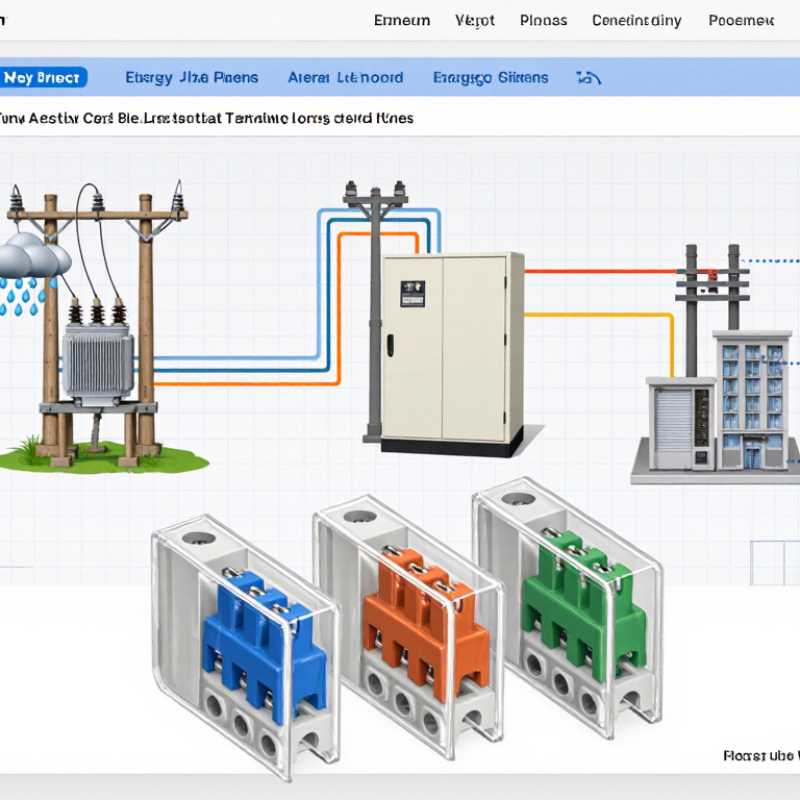
A cutout electric fuse is a protective device used on overhead power systems. It combines a fuse link with a hinged carrier and an insulating body. Under normal conditions, current passes through the link without interruption. When a short circuit or overload occurs, the link heats rapidly and melts. The circuit then opens, limiting damage to conductors and equipment. The carrier may drop visibly after operation. This creates a clear isolation point for trained workers. Simple, but not crude.
Choosing the correct fuse requires more than matching physical size. Check the system voltage and continuous current rating first. The fuse must also have enough interrupting capacity for the available fault current. Its time-current characteristic should coordinate with upstream and downstream protection. A mismatch can cause unnecessary outages or delayed fault clearing. Outdoor conditions matter too. Moisture, dust, sunlight, and salt exposure can affect insulation and mechanical performance. Always verify the installation requirements and approved technical documentation.
Field inspections often reveal a basic mistake: the fuse rating was selected from normal load alone. Starting currents and future load changes were ignored. That approach can create nuisance operations or unsafe overheating. Examine contact pressure, hinge movement, corrosion, and signs of arcing. Replace damaged parts with the specified type, not a convenient substitute. Do not rely on appearance alone. A fuse can look intact while its connection is already unreliable. Qualified personnel should test and install the device under applicable electrical safety procedures.
| Selection Dimension | What to Check | Typical Distribution-Fuse Data | Why It Matters |
|---|---|---|---|
| Device Type | Expulsion cutout fuse | An outdoor medium-voltage protective device that combines a fuse holder, fuse link, and an insulating cutout body. | The fuse link melts during an overcurrent. The fuse holder then drops open, providing visible isolation and helping interrupt the fault. |
| System Voltage | Select a voltage rating equal to or higher than the maximum system voltage. | Common distribution classes include 7.2 kV, 15 kV, 27 kV, and 38 kV equipment classes, depending on the network. | The cutout must withstand normal operating voltage, temporary overvoltage, and the system's insulation requirements. |
| System Frequency | Match the operating frequency of the electrical network. | Utility distribution networks commonly operate at 50 Hz or 60 Hz. | The fuse and cutout assembly must be tested and rated for the network frequency to ensure correct dielectric and interrupting performance. |
| Continuous Current | Choose a cutout current rating above the highest expected continuous load current. | Common cutout frame ratings include 100 A and 200 A. Higher ratings may be available for specific applications. | The rating must accommodate normal load, permissible overload, transformer inrush, and expected future load growth without overheating. |
| Fuse-Link Ampere Rating | Coordinate the fuse-link rating with the protected transformer, feeder, or lateral. | Fuse links are available in many ratings, often from a few amperes to approximately 200 A, depending on the fuse-link type and cutout. | A fuse link that is too small may operate during normal energization; one that is too large may not protect equipment against damaging overcurrent. |
| Time-Current Characteristic | Select the required speed and characteristic, such as fast or time-delay operation. | Fast links generally clear lower-duration faults quickly, while time-delay links better tolerate transformer magnetizing inrush and short-duration overloads. | Time-current coordination helps the nearest protective device operate first and reduces unnecessary interruptions to upstream circuits. |
| Interrupting Rating | Verify that the interrupting capability exceeds the available fault current at the installation point. | Medium-voltage cutout interrupting ratings vary by design; values such as 6.3 kA, 8 kA, and 10 kA are used in distribution applications. | The device must safely interrupt the maximum prospective fault current, not merely the normal operating current. |
| Insulation and BIL | Check basic insulation level, dry power-frequency withstand, and wet withstand requirements. | Common distribution equipment BIL values include 95 kV for many 15 kV-class applications and 125 kV for many 25–28 kV-class applications. | Adequate insulation withstand reduces the risk of flashover caused by lightning, switching surges, or wet outdoor conditions. |
| Transformer Protection | Compare the fuse-link characteristic with transformer full-load current and magnetizing inrush. | The fuse link should carry normal transformer load and inrush while still providing protection against internal transformer faults and severe secondary faults. | Coordination prevents nuisance operations during energization and supports selective protection of the transformer and upstream equipment. |
| Mounting and Environment | Confirm pole, crossarm, bracket, clearance, altitude, pollution, and weather conditions. | Cutouts are normally designed for outdoor exposure, but installation conditions may require additional creepage distance or derating. | Environmental factors can affect insulation strength, heating, mechanical operation, and long-term reliability. |
| Operation and Indication | Determine whether visible fuse operation, manual loadbreak capability, or remote indication is required. | Standard cutouts provide visible open-circuit indication after fuse operation. Loadbreak versions include features for approved manual load interruption. | Visible isolation improves maintenance safety, while loadbreak capability must not be assumed unless the device is specifically rated and approved for that duty. |
| Applicable Standards | Use equipment tested to the standard required by the local utility, authority, or project specification. | IEEE C37.41 and IEEE C37.42 are widely referenced for distribution cutouts and fuse links in North American practice. IEC requirements may apply in other regions. | Standards define construction, rating, testing, dielectric performance, and interrupting requirements for reliable application. |
| Final Selection Rule | Confirm voltage, frequency, continuous current, fuse-link rating, time-current curve, interrupting rating, insulation level, and environmental suitability. | The correct choice is the smallest properly coordinated fuse link that carries expected load and inrush while remaining within the cutout and system ratings. | Always verify the final selection against the available fault-current study, transformer data, protection-coordination study, and local electrical requirements. |
How to Choose the Right Cutout Electric Fuse?
Before choosing a cutout electric fuse, check its electrical ratings carefully. The voltage rating must meet or exceed the system voltage. A lower rating can create dangerous arcing during interruption. The current rating should match the expected load, not simply the conductor size. Consider normal operating current, starting current, and possible overloads.
The interrupting rating is equally important. It must safely handle the maximum available fault current at the installation point. Also verify whether the fuse is designed for AC or DC service. Their interruption behaviors differ significantly. Review the time-current characteristic to coordinate the fuse with upstream and downstream protection. Ambient temperature matters too. Heat, sunlight, and enclosure conditions may reduce allowable continuous current. A practical field check should include terminal compatibility, dimensions, and mechanical fit. Ratings alone cannot confirm safe installation.
Tips: Read the equipment data plate and electrical drawings together. Confirm the system voltage, load current, fault current, and fuse class before ordering. Do not replace a blown fuse with a higher-rated one without finding the fault. It may appear convenient, but protection could be lost. When conditions are uncertain, ask a qualified electrical professional to verify the selection. Small details matter.
Common IEC low-voltage fuse-link rated-current values to compare before selection
| Electrical rating to check | What it means | Selection rule |
|---|---|---|
| Rated current (In) | The continuous current the fuse-link can carry under specified conditions. | Choose a value above the normal load current, while protecting the cable and equipment. |
| Rated voltage (Un) | The maximum system voltage for which the fuse can safely interrupt a fault. | The fuse voltage rating must be equal to or higher than the circuit voltage. |
| Breaking capacity | The maximum prospective fault current the fuse can safely interrupt. | Select a breaking capacity greater than the calculated short-circuit current at the installation point. |
| Time-current characteristic | The relationship between overload current and operating time. | Match the characteristic to motor starting current, transformer inrush, cable protection, and coordination requirements. |
The chart uses preferred rated-current values commonly specified for low-voltage fuse-links in IEC 60269-1. The correct fuse also depends on rated voltage, breaking capacity, application category, installation conditions, and coordination with upstream and downstream protection. Always verify the applicable local standard and equipment requirements.
Choosing a cutout fuse starts with the application, not the catalog photo. Check the system voltage, continuous load current, fault level, and AC or DC duty. A fuse link should carry normal current without nuisance operation. It must also interrupt the highest prospective fault safely. Outdoor equipment needs additional attention. Wind, rain, salt, dust, and temperature can change performance. A clean match on paper may still fail in the field.
Fuse type should suit the expected fault behavior. Current-limiting designs can reduce let-through energy, while expulsion types may suit certain distribution systems. Always verify coordination with transformers, conductors, and upstream protection.
Construction deserves a close inspection. Porcelain offers strong insulation, while polymer housings can reduce weight and improve resistance to impact. Look for secure hinges, reliable contacts, suitable creepage distance, and a visible operating indicator. In practical assessments, I also check hot-spot evidence after load testing. One detail is easy to underestimate: installation quality. A correct fuse can perform poorly with loose hardware, contamination, or the wrong fuse link. Selection should follow verified system data and qualified electrical practice, not habit.
Choosing the correct cutout fuse starts with the circuit, not the fuse holder. Record the system voltage, continuous load current, fault level, and conductor size. The fuse voltage rating must meet or exceed the system voltage. Its interrupting rating must also handle the available fault current safely. Never select a fuse only because its ampere number matches the load.
Calculate the expected load, then allow for starting currents and normal temperature changes. Motors, transformers, and outdoor equipment may need time-delay characteristics. The fuse rating should protect the conductor without nuisance operation. Check coordination with upstream and downstream protective devices. I have seen oversized fuses survive repeated overloads while cables quietly overheated. That mistake is easy to miss.
Installation requires equal care. Isolate the circuit, verify the absence of voltage, and follow local electrical rules. Only qualified personnel should perform this work. Inspect the cutout for cracks, moisture, corrosion, or loose contacts. Install the fuse in the correct orientation and tighten connections to the specified torque. A clean appearance proves very little. I still recheck every connection after the first inspection, because a slightly loose terminal can create heat, damage insulation, and shorten fuse life. Record the fuse type, rating, installation date, and test results for future maintenance.
How to Choose the Right Cutout Electric Fuse?
A cutout electric fuse should match the circuit’s voltage, current, fault level, and installation environment. Check the equipment label and local electrical code before selecting a replacement. Relevant standards, such as IEC 60269 or UL 248, define important fuse performance requirements. Confirm that the fuse and cutout assembly are tested for the intended duty.
A fuse is not a switch. Isolate the circuit, verify the absence of voltage, and use rated protective equipment before maintenance. In field inspections, loose terminals often leave brown marks near the contact points. That small sign deserves attention. Tighten connections to the manufacturer’s specified torque, not personal judgment. Inspect for cracked porcelain, corrosion, dust, moisture, and heat damage. Replace damaged parts immediately.
Use the same fuse type and rating unless a qualified engineer approves a documented change. Never bridge a fuse with wire or install a higher-rated element to stop nuisance blowing. Record inspection dates, fuse ratings, test results, and unusual noises or odors. This record helps identify recurring overloads. Monthly checks may suit harsh environments, while clean indoor equipment may need less frequent inspection. However, that assumption can fail when loads change. A licensed electrician should review the system after repeated fuse operation, modifications, or suspected fault conditions.