#4 – 20133 102nd Avenue, Langley, B.C. V1M 4B4 Canada

#4 – 20133 102nd Avenue, Langley, B.C. V1M 4B4 Canada
Choosing the right Salt Spray Tester is essential for ensuring the durability of your products. These testers simulate corrosive environments. They help evaluate material performance. A good tester can save costs and time in the long run.
When selecting a Salt Spray Tester, consider your specific needs. Think about the types of materials you will test. Different testers offer various features. Some provide advanced controls while others focus on simplicity. Your choice can greatly affect your testing outcomes.
Additionally, it's important to factor in the reliability of the product. Research reputable brands and their support systems. Don't overlook customer reviews and industry feedback. An informed decision will contribute to effective testing and product longevity. Reflect on what truly matters for your testing goals.
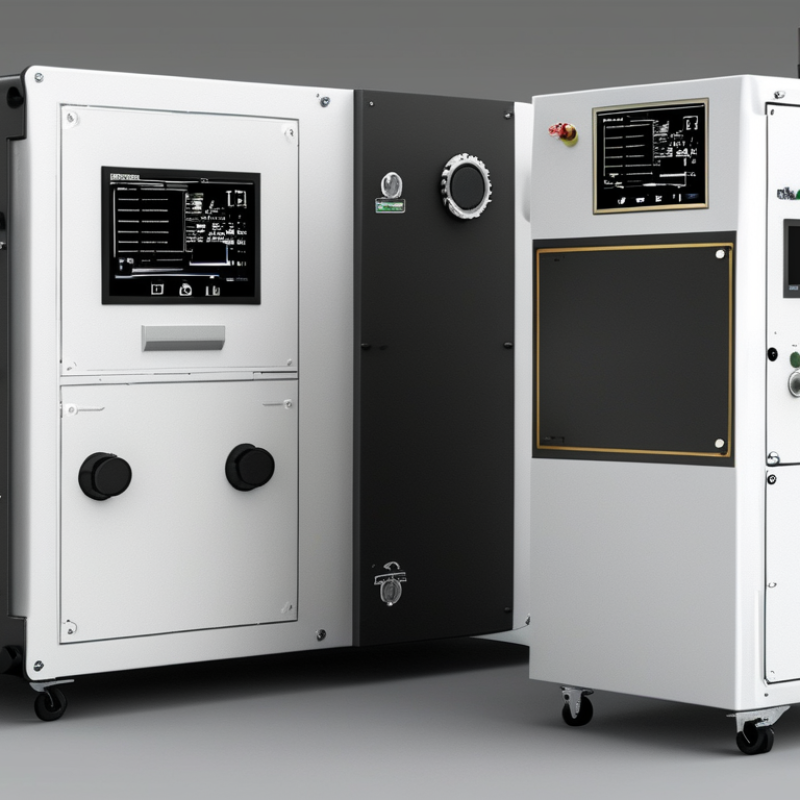
Salt spray testing is vital for assessing the corrosion resistance of various materials. This process exposes samples to a salt-laden environment, simulating harsh conditions. By doing so, it helps predict the lifespan and durability of products in real-world applications. Understanding the conditions our products face is crucial for designing effective solutions.
The importance of salt spray testing extends beyond simple evaluation. It builds confidence in material selection and helps manufacturers meet industry standards. Knowing how materials react to salt exposure informs better decision-making. However, many fail to recognize the nuances in testing methods. Each method has its own parameters, which can significantly influence results. This gap highlights the need for expertise in interpreting the data accurately.
When choosing a salt spray tester, consider the specific needs of your applications. Think about the environments your products will encounter. Many overlook factors such as temperature variations and humidity levels. A thorough understanding of these elements can lead to more reliable outcomes. Ultimately, the goal is to ensure materials hold up against corrosive challenges.
When selecting a salt spray tester, it’s essential to consider key features that impact performance. Start with the chamber size. Ensure it meets your testing volume needs. A larger chamber can accommodate bigger samples, facilitating comprehensive corrosion testing.
Another critical feature is the control system. Look for testers with digital controls for precise temperature and salt concentration adjustments. Consistent, accurate readings improve reliability and replicability of results. Simplicity in operation is equally important. An intuitive interface reduces user errors.
Tips: Always check for maintenance requirements. A tester that is hard to maintain can lead to inaccurate results. Periodic calibration is a must. Ensure the device can be easily calibrated to guarantee consistent performance over time.
The material construction of the tester is also crucial. A robust, corrosion-resistant build will ensure durability in demanding environments. Pay close attention to warranty options as they provide reassurance about the product's longevity. Regular checks on the unit's performance are necessary. This helps identify any inconsistencies early in the process.
When selecting a salt spray tester, understanding the types available is crucial. The most common types include cabinet testers, portable testers, and custom solutions. Cabinet testers are designed for controlled environments, providing consistent results. A 2021 report indicates that nearly 70% of manufacturers prefer these for large-scale testing due to their reliability. They allow for precise temperature and humidity control, which is vital for accurate corrosion testing.
Portable testers are favored for their flexibility. They often accommodate testing in various locations. In contrast, custom solutions cater to specific requirements but may lack the standardization that cabinet models offer. A detailed industry survey found that about 25% of users have encountered issues with consistency when utilizing portable testers. This raises questions about their reliability compared to more standardized options.
User feedback highlights the importance of calibrating testers regularly. Without proper calibration, results may mislead companies. Some users report variations that affect quality control standards. Regular maintenance is essential. An organization conducting corrosion tests should carefully evaluate their needs, weighing the pros and cons of each tester type. Different testing environments can significantly affect outcomes and data validity.
When choosing a salt spray tester, assessing your specific testing requirements is crucial. Begin by determining the materials you need to test. Are they metal, plastic, or coated substances? Different materials respond uniquely to salt spray exposure. Understanding these differences will guide your choice of tester.
Consider the testing standards you aim to meet. Various industries have specific regulations. Knowing these helps in selecting a tester that aligns with compliance needs. You may also want to evaluate the tester's capacity. Check if it can accommodate the size of your samples. A tester that cannot handle larger samples may limit your research.
Finally, think about the environment where the tester will be used. Will it be in a lab or onsite? Each setting has different humidity and temperature factors. These aspects affect test accuracy. It’s wise to learn from previous experiences in testing conditions. Reflecting on past challenges can refine your requirements.
| Feature | Description | Importance Level |
|---|---|---|
| Test Chamber Size | Dimension of the test area to accommodate various test samples. | High |
| Control Mechanisms | Type of controls for temperature, humidity, and salt spray concentration. | High |
| Test Duration | Ability to conduct prolonged tests without significant supervision. | Medium |
| User-Friendly Interface | Ease of use and intuitiveness of the control panel and settings. | Medium |
| Maintenance Requirements | Frequency and ease of required maintenance and cleaning. | Medium |
| Compliance Standards | Compliance with industry or regional corrosion testing standards. | High |
| Data Logging Capabilities | Ability to record and store test results for analysis. | Low |
When selecting a salt spray tester, budget considerations are crucial. High-quality testers often come with a higher price tag. However, cheaper models may lack essential features and reliability. It’s vital to find a balance between cost and functionality. A poorly designed tester can lead to inaccurate results, ultimately wasting both time and resources.
Manufacturer reputation plays a significant role in your decision-making process. Look for companies with a proven track record in producing reliable testing equipment. Check for certifications or industry standards that their products meet. Reading customer reviews can provide insights into the performance and durability of the tester. It's also beneficial to consult industry experts or forums where professionals discuss their experiences with different models.
Although it may be tempting to choose the most affordable option, consider the long-term implications. Investing in a trustworthy, well-reviewed tester can pay off in greater accuracy and efficiency. Reflect on past mistakes, like opting for low-quality equipment and facing unexpected challenges. A good salt spray tester is an investment in your project’s success and credibility.