#4 – 20133 102nd Avenue, Langley, B.C. V1M 4B4 Canada

#4 – 20133 102nd Avenue, Langley, B.C. V1M 4B4 Canada
Choosing the right Stainless Steel Quick Couplings is crucial for various applications. These fittings play a significant role in connecting hoses and pipes securely. They are used in industries like automotive, agriculture, and manufacturing. However, not all quick couplings are created equal.
Stainless steel quick couplings offer durability and corrosion resistance. This makes them suitable for high-pressure environments. However, selecting the right type can be challenging. Factors such as size, pressure rating, and compatibility must be considered. Sometimes users overlook compatibility, leading to leaks or failure. This can cause costly downtime in operations. Understanding the specific requirements of your application is essential.
In this guide, we will explore key aspects to consider when choosing stainless steel quick couplings. Whether you're a seasoned professional or a beginner, the right information is vital. Emphasizing the importance of informed choices can enhance efficiency and reliability in your projects.
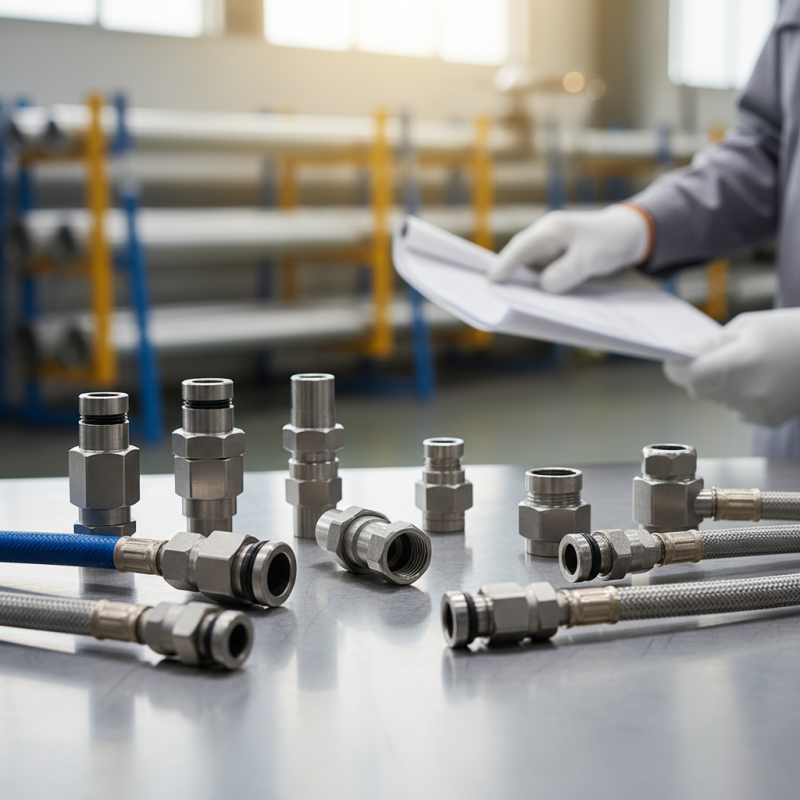
Stainless steel quick couplings are essential in various industries like manufacturing and construction. Understanding their basics ensures optimal use. These couplings are designed for speed and efficiency, allowing quick connections between hoses and equipment. They are often chosen for their strength and corrosion resistance, thanks to the properties of stainless steel. Reports indicate that the global market for quick couplings is expected to reach $5 billion by 2027, reflecting their growing importance.
Choosing the right coupling is not just about material. Factors like size, pressure rating, and application must also be considered. A study showed that improper selection can lead to up to 30% efficiency loss in hydraulic systems. Notably, the dimensions and design must align with your specific needs. Sometimes, incompatible couplings can create leaks or require frequent replacements.
Usage scenarios vary widely. In food processing, for instance, hygienic standards are crucial. A report highlighted that over 40% of contamination cases are linked to faulty couplings. This emphasizes the importance of not just selecting the right type, but ensuring proper sealing and easy disconnection. Consider these factors carefully to make an informed decision that meets industry standards.
Choosing the right quick couplings requires a clear understanding of your application's specific needs. Consider the type of fluids involved.
Different fluids may react differently with materials. If you're dealing with corrosive substances, select a coupling made from highly resistant stainless steel. This choice ensures durability and prevents leaks.
Next, evaluate the pressure and temperature conditions. High-pressure applications need couplings that can withstand such stress. Similarly, heat can degrade some materials over time. Be aware of these factors in your environment. Ensuring compatibility can prevent future complications.
Size and connection type are also crucial. Ensure that the coupling will fit your hoses or pipes snugly. Mismatched sizes can lead to inefficiencies. It’s essential to pay attention to the connection style, whether it’s threaded or push-to-connect. Each option has its use case and can affect overall performance. This is where reflection on past experiences can guide better decisions.
When selecting quick couplings, understanding the types and sizes available is crucial. Quick couplings can vary significantly in design and functionality. Common types include single shut-off and double shut-off couplings. Single shut-off couplings allow the flow of fluid from one side, while double shut-off couplings prevent leakage from both ends when disconnected. Assessing your specific needs will help identify which type is most suitable.
Size is another critical factor. Couplings come in various sizes, which determine their flow rates and pressure ratings. Ensure the coupling fits well with existing hoses or pipes. A mismatch can lead to leaks or compromised performance. Consider the environment where the coupling will be used. High-pressure applications may require couplings with enhanced durability.
Not all couplings are created equal. Some designs may withstand harsher conditions better than others. Quality materials will contribute to longevity, but they might also come at a higher cost. Reflecting on your long-term usage versus budget is essential. Balancing quality, size, and type can be challenging, but it is necessary for effective operation.
Selecting the right stainless steel quick couplings requires a focus on quality and material specifications. Stainless steel is known for its strength and corrosion resistance, making it a popular choice in various industries. According to a report from the Stainless Steel Development Association, using high-grade stainless steel, like type 316, increases durability and prevents rust in harsh conditions.
Understanding the specific material specifications is crucial. Look for couplings that meet standards like ASTM A313 or A276, which indicate quality and reliability. The size and configuration of these couplings can impact their performance significantly. For instance, a coupling with a larger diameter may handle greater flow rates, but mismatched sizes can lead to leaks or failures.
While many manufacturers claim to provide durable products, not all pass rigorous testing. Independent studies reveal that approximately 15% of couplings fail to meet industry standards under stress tests. This highlights the importance of scrutinizing certifications and conducting thorough research. Investing in high-quality materials and precise specifications ensures that couplings perform optimally, reducing the risk of unexpected failures during critical operations.
Stainless steel quick couplings are crucial in various industries, ensuring efficient fluid transfer. However, understanding their maintenance and safety practices is vital for optimal performance. Regular inspections are key. A report indicates that improper maintenance can lead to a 30% increase in failure rates. Ensuring cleanliness is essential to prevent contamination.
Wear and tear on couplings can go unnoticed. To mitigate risks, perform routine checks. Inspect seals for signs of wear. Look for leaks or unusual noises during operation. Many experts recommend a visual inspection every three months. Simple practices can enhance durability.
Tips: Always keep a maintenance log. It helps track issues over time. Additionally, consider environmental factors. High temperatures or corrosive elements can degrade metal quickly. When in doubt, consult professionals for an assessment. Taking these precautions may prevent costly accidents and prolong the life of your equipment.