#4 – 20133 102nd Avenue, Langley, B.C. V1M 4B4 Canada

#4 – 20133 102nd Avenue, Langley, B.C. V1M 4B4 Canada
Choosing the right Plastic Weatherproof Covers is essential for protecting your outdoor belongings. These covers come in various sizes and shapes, catering to different needs. Whether you need to shield furniture, grills, or equipment, understanding your options is crucial.
High-quality plastic weatherproof covers are designed to withstand harsh weather conditions. They provide protection against rain, snow, and UV rays. A reliable cover ensures a longer lifespan for your items. However, not all covers are equal in durability or design. Some might fade quickly or tear easily. It's vital to consider your specific requirements before making a choice.
When selecting covers, think about material, fit, and additional features. A well-fitted cover will offer better protection. Check for breathability to prevent mold. Reflect on your environment and typical weather patterns. This reflection will guide you in making an informed decision. Remember, the goal is to find the best plastic weatherproof covers that suit your lifestyle and needs.
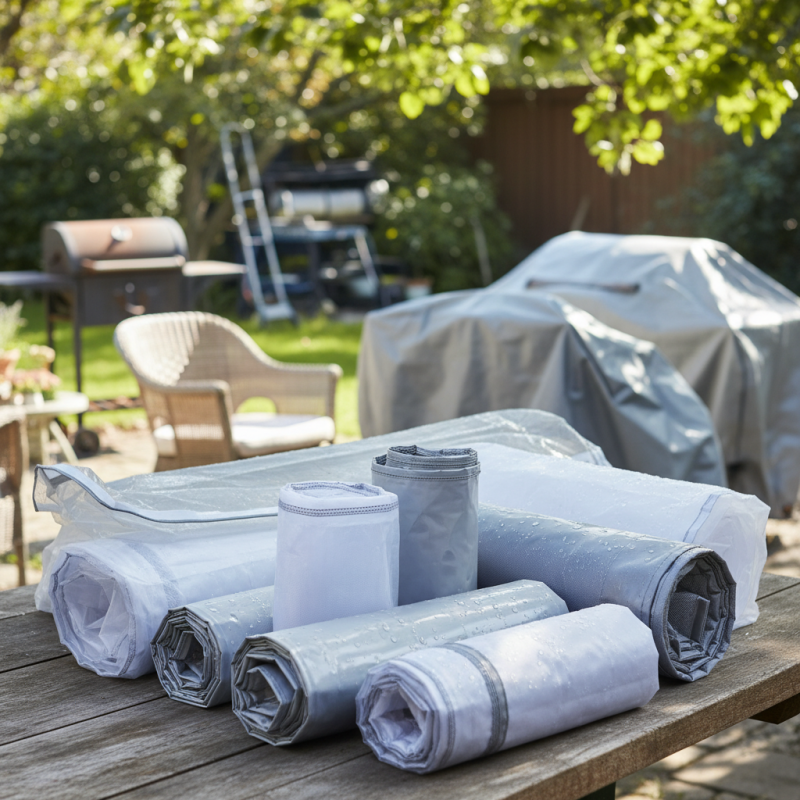
When choosing plastic weatherproof covers, understanding the different types is crucial. There are various materials available. Polyethylene and polypropylene are popular choices. They offer great resistance against moisture and UV rays. Each type has its unique properties that cater to different needs. For example, heavy-duty covers can protect outdoor furniture from harsh weather.
Breathability is also a key factor. Some covers allow moisture to escape while keeping rain out. This is important to prevent mold growth. It's vital to assess your specific requirements. If you're looking for a cover for garden equipment, a lighter option may suffice. However, for vehicles or boats, a thicker material is preferable. Not all covers fit universally, so it's an area that needs careful consideration.
Budget plays a role, too. Higher quality often comes with a higher cost. However, investing in a durable cover can save money in the long run. Reflecting on your environment helps, as local climates impact your choice. Too often, people underestimate this aspect. Choosing the right cover requires time and thought. Ignoring these details may lead to unsatisfactory protection.
When choosing plastic weatherproof covers, it’s essential to assess your specific protection needs. Consider the environment where these covers will be used. Will they shield outdoor furniture, vehicles, or equipment? Each application requires different levels of durability and resistance. For instance, marine covers must withstand salty air, while garden furniture covers face UV exposure and moisture.
Understand the dimensions of the items you want to protect. Measure carefully to ensure a snug fit. A cover that’s too loose may allow water to seep in. On the other hand, overly tight covers can cause wear and tear. Evaluate the climate where you live. Areas with heavy rainfall or extreme temperatures may need reinforced materials.
Consider the ease of handling. Some covers are lightweight and easy to store, while others can be bulky. Think about how often you’ll need to put them on and take them off. Make a list of your routine tasks. It can help identify when a cover might be necessary. Ensuring you have the right protection is about understanding your needs, but sometimes the choices can be overwhelming. Reflect on what matters most to you: durability, convenience, or cost. Each factor plays a role in making the best decision.
When choosing plastic weatherproof covers, evaluating material quality is crucial. Look for fabrics with high UV resistance. This ensures that your cover does not degrade quickly under sunlight. Additionally, examine the tensile strength of the material. A stronger fabric resists tearing and ripping during harsh weather.
Durability standards can vary significantly. Many products claim to be weatherproof, but their longevity often depends on environmental factors. Think about where you will use the cover. For areas with heavy rainfall, select waterproof materials. Covers in windy regions should have reinforced edges to minimize damage. When you feel the fabric, look for a sturdy texture. It should feel resilient, not flimsy.
You might find it challenging to balance cost and quality. Sometimes, cheaper options compromise durability. How often will you need to replace these covers? That question can guide your decision. Choose wisely based on your specific needs. Reflect on your environment and your usage patterns. Your choice of cover should serve you well, not disappoint in the long run.
When selecting plastic weatherproof covers, the size and fit are crucial for optimal protection. A well-fitting cover prevents moisture and debris from entering, which can cause damage. According to the American Society of Home Inspectors, improper sizing can lead to a 30% increase in wear and tear on protected items. Therefore, it's essential to measure your items accurately before making a decision.
One common mistake is assuming that a standard size will suffice. Different shapes and dimensions require specific measurements. A report from the Home Improvement Research Institute indicates that covers that fit poorly can diminish their effectiveness by up to 50%. When shopping, consider covers with adjustable features. This flexibility ensures that you get the best fit possible, accommodating variations in item dimensions.
Additionally, reflect on your environmental conditions. Covers used in areas with high winds should fit snugly to prevent them from blowing away. Inconsistent coverage can lead to moisture buildup, encouraging mold growth. Weatherproofing is not just about water resistance; it’s about creating a barrier against elements. Accurate sizing is paramount. Assess your needs carefully, and choose wisely.
| Cover Type | Dimensions (L x W x H) | Material | Waterproof Rating | UV Resistance | Warranty Period |
|---|---|---|---|---|---|
| Patio Furniture Cover | 90 x 70 x 35 inches | Polyethylene | 1000 mm | Yes | 2 years |
| Grill Cover | 60 x 30 x 40 inches | Vinyl | 1500 mm | Yes | 1 year |
| Motorcycle Cover | 85 x 40 x 50 inches | Polyester | 2000 mm | Yes | 3 years |
| BBQ Smoker Cover | 70 x 40 x 50 inches | 600D Canvas | 2500 mm | Yes | 5 years |
| Patio Umbrella Cover | 80 x 20 inches | Oxford Cloth | 1200 mm | Yes | 2 years |
When selecting plastic weatherproof covers, it's essential to consider UV resistance and other environmental factors. UV radiation can degrade materials over time, leading to loss of strength and transparency. Choosing covers specifically labeled as UV-resistant can significantly extend their lifespan. Assess the specific environment where the covers will be used. If they are exposed to harsh sun conditions, durability becomes even more critical.
One tip is to think about the color of the cover. Darker colors can absorb more heat, potentially causing the material to warp. Lighter colors, on the other hand, reflect sunlight more effectively. Keep in mind that environmental stressors, like high wind or heavy rain, can impact the integrity of the cover. Such factors might not be evident immediately but can cause long-term damage.
Consider the thickness of the plastic. Thicker covers often offer better protection but may be less flexible. If you’re unsure, seek guidance from industry experts. They can help match the cover’s specifications with your unique needs. Evaluate your decision after some time. Are the covers performing as expected? Reflecting on this can lead to better choices in the future.