#4 – 20133 102nd Avenue, Langley, B.C. V1M 4B4 Canada
#4 – 20133 102nd Avenue, Langley, B.C. V1M 4B4 Canada
The demand for Laser Facial Rejuvenation Machines has grown steadily, reflecting the increasing interest in non-invasive cosmetic procedures. According to the Industry Research Group, the global market for these devices is projected to reach $3.5 billion by 2025, driven by advancements in technology and rising consumer awareness. This growth highlights the importance of making an informed choice when selecting a machine.
Dr. Emily Chen, a leading expert in aesthetic dermatology, emphasizes, “Choosing the right Laser Facial Rejuvenation Machine can significantly impact treatment outcomes and patient satisfaction.” Understanding the features and benefits of various machines is crucial. Not all devices are created equal; therefore, potential buyers must evaluate their specific needs.
The right machine can lead to remarkable results, while the wrong choice may yield disappointing effects. It’s essential to consider factors like technology, safety, and efficiency. Users often overlook these aspects, which can lead to regret down the line. Investing time in research is vital to ensure the machine fits your practice's goals.
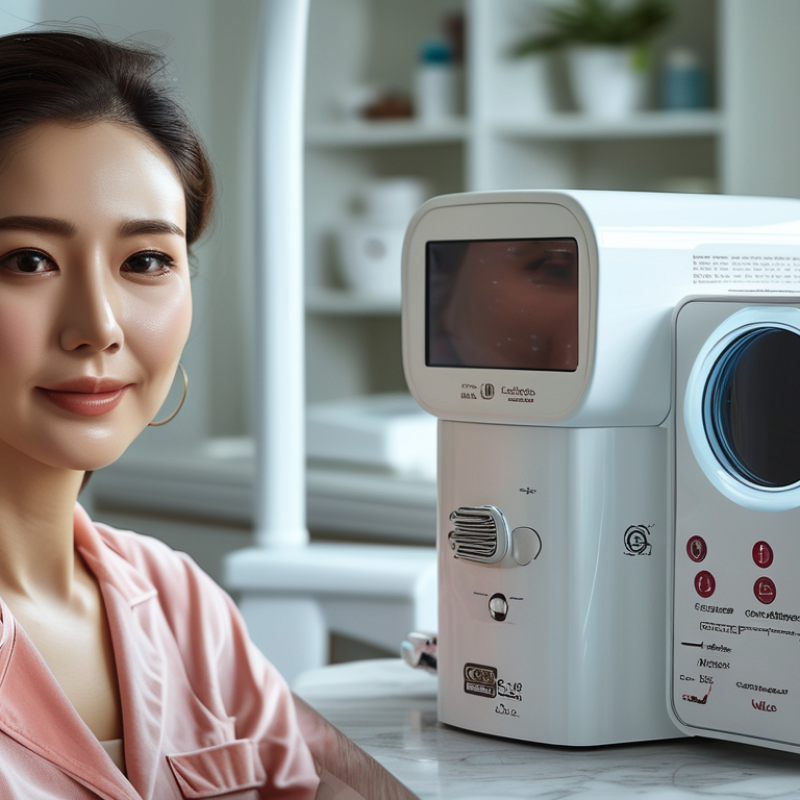
Laser facial rejuvenation has gained popularity due to its effectiveness. Understanding the key concepts is crucial for those considering this treatment. Lasers target specific layers of skin. They promote collagen production, which helps reduce wrinkles and fine lines. The result is a more youthful appearance. People often see improvements in skin texture and tone.
The benefits of laser treatment extend beyond aesthetics. Many patients report increased confidence after their sessions. However, choosing the right machine is essential. Not all lasers suit every skin type. It's important to consult with a qualified professional. They can assess your skin's needs and recommend suitable options. Even with expertise, results can vary.
Patients should keep realistic expectations. Some may not achieve the desired results immediately. More than one session might be necessary. Recovery time can also differ from one individual to another. This variation highlights the importance of a personalized approach in laser rejuvenation. Always prioritize safety and professionalism when making decisions.
When exploring laser technologies for facial rejuvenation, it's essential to understand the main types available. Each type of laser offers specific benefits and works best for particular skin concerns. For instance, ablative lasers remove thin layers of skin. They help reduce deeper wrinkles and scars. However, recovery time can be significant. Patients often need days to weeks for optimal healing.
Non-ablative lasers, on the other hand, target the underlying layers of skin without affecting the surface. These lasers promote collagen production. They require little to no downtime. Yet, the results may take longer to appear. Clients sometimes leave feeling uncertain about their decision. Understanding these differences is key to setting realistic expectations.
A third option is fractional lasers. They combine both ablative and non-ablative techniques. This approach can be effective for diverse skin types. Patients often find the results to be impressive. Nevertheless, they may also experience some discomfort. This raises questions about pain management and aftercare. Each treatment type requires careful consideration of your skin’s unique needs and lifestyle.
When selecting a laser facial rejuvenation machine, key factors demand close attention. Skin type and treatment goals are critical. Research shows approximately 45% of patients prefer machines that target specific conditions like acne scars or pigmentation issues. It's vital to choose a device that aligns with these needs to ensure optimal results. The technology used, such as fractional CO2 or Nd:YAG, significantly impacts outcomes, making it essential to understand their differences.
Safety features should also be a primary consideration. A 2022 report indicated that machines with robust safety profiles, including built-in cooling systems, reduce side effects by 20%. Additionally, look for equipment that reflects industry standards and has undergone rigorous testing. User reviews and clinical data play crucial roles in assessing a machine's effectiveness and potential risks. Aim for a balanced perspective on the pros and cons; even the most advanced laser machines can cause temporary redness or swelling. Thus, understanding these potential drawbacks prepares practitioners and clients for real expectations.
Choosing the right laser facial rejuvenation machine is crucial for effective skin treatments. Assessing the safety and efficacy of these devices is essential for optimal results. Industry reports indicate that laser treatments can improve skin texture and tone in over 80% of patients. However, improper device selection can lead to adverse effects such as burns or pigmentation changes.
Before any procedure, evaluating the machine’s FDA clearance and its clinical study results is vital. Look for evidence demonstrating long-term safety and effectiveness. Not every machine suits every skin type. Those with darker skin tones may experience higher risks, requiring more specialized equipment.
Tips: Always consult a certified dermatologist. They can help match treatments to your skin needs. Additionally, consider starting with lower-intensity lasers. This approach minimizes risks while gradually revealing improvements. Remember, understanding your skin type and concerns is key. Reevaluate the technology and its appropriateness for your specific situation.
When evaluating the cost and maintenance of laser facial rejuvenation equipment, several factors come into play. The initial investment for a quality machine can range from $20,000 to $100,000, depending on the technology. Owners must consider not just the purchase price but also ongoing maintenance costs. Regular service checks, which can cost between $1,000 to $3,000 annually, are essential. Inadequate maintenance can lead to reduced efficacy and increased operating costs, ultimately affecting profitability.
The consumables like handpieces and filters can add up. Replacing a handpiece might cost around $1,500, depending on the model. Keeping track of these expenses is vital for budget planning. Equipment downtime due to repairs can also impact revenue, highlighting the need for reliable machines. A report by the American Society of Plastic Surgeons showed that approximately 30% of practices experience higher-than-expected maintenance costs related to laser machinery. This statistic warns practitioners to thoroughly assess warranty terms and service agreements. Investing time upfront in evaluations can lead to long-term financial benefits.