#4 – 20133 102nd Avenue, Langley, B.C. V1M 4B4 Canada

#4 – 20133 102nd Avenue, Langley, B.C. V1M 4B4 Canada
Choosing the right High Temperature Alloy Castings is crucial for many industries, including aerospace and energy. According to a report by MarketsandMarkets, the high temperature alloy market is projected to reach $6.5 billion by 2025, driven by the increasing demand for durable materials. High temperature alloy castings play a key role in applications that must withstand extreme environments, such as gas turbines and industrial furnaces.
Selecting the best castings requires understanding the specific requirements of your application. For example, mechanical properties, oxidation resistance, and thermal stability are essential factors. Expert insights suggest that alloys like Inconel, Hastelloy, and titanium-based materials are often favored for their superior performance. However, not every high temperature alloy casting is perfect for all applications, which can lead to costly mistakes if not carefully evaluated.
Moreover, the performance of high temperature alloy castings can vary significantly based on the manufacturing process used. Issues like porosity, surface defects, and uneven microstructure may arise during casting. These imperfections can compromise the reliability of components in critical applications. Therefore, a thorough assessment and consultation with industry experts are vital for making informed choices.
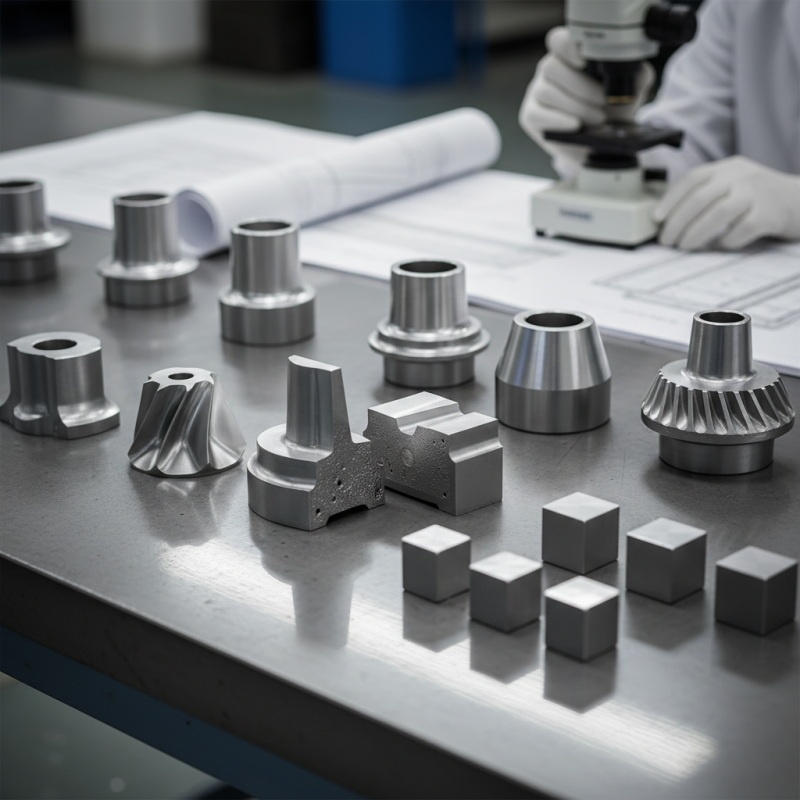
High temperature alloys are essential in various industries, particularly aerospace and energy. These materials can withstand extreme conditions, making them ideal for demanding applications. They often include nickel-based and cobalt-based alloys. Their unique properties, such as oxidation resistance and mechanical strength, make them crucial in high-stress environments.
In practical scenarios, these alloys are used in turbine engines and chemical processing. The alloys maintain structural integrity in temperatures exceeding 1000°C. However, selecting the right alloy can be challenging. It’s important to consider factors like thermal stability, creep resistance, and corrosion characteristics. Testing procedures and performance evaluations also provide insight into their reliability.
Despite their advantages, challenges persist. The cost of high temperature alloys can be significant. Furthermore, fabrication techniques may impact the final properties. It’s vital to reflect on these aspects when making a decision. Balancing performance and cost-effectiveness is essential. This requires thorough research and expertise to determine the best fit for specific applications.
When selecting high temperature alloy castings, several key properties are vital. These alloys are designed to withstand extreme conditions. Heat resistance, corrosion resistance, and mechanical strength are essential considerations. Each property plays a critical role in ensuring the longevity of the castings.
Heat resistance is particularly important. Alloys with high melting points can endure intense temperatures. They should also maintain their shape and integrity. Corrosion resistance helps protect against chemical degradation. Look for alloys that tolerate oxidative environments and various corrosive elements. Mechanical strength can determine how well the casting withstands stress. Focus on tensile strength and yield strength metrics in your decision-making.
Tips: Always request detailed material data sheets. They provide insight into performance under different conditions. Consult with professionals who have experience in high temperature applications. Their input can guide you in making informed choices. Additionally, consider testing samples in real-world conditions. This can reveal unexpected weaknesses and strengths. The choices made now will affect performance later.
When selecting high-temperature alloy castings, several key factors come into play. One crucial aspect is the operating environment. High temperatures can alter material properties significantly. Understanding how alloys react to heat is essential. For example, consider thermal stability and oxidation resistance. If an alloy does not withstand these conditions, it may lead to premature failure.
Another important factor is mechanical strength. Alloys must maintain structural integrity at elevated temperatures. Fatigue resistance is also a concern. Materials may behave unpredictably when subjected to cyclical loads. Evaluating the expected stresses during operation can help identify suitable alloy candidates, but this process often requires expert guidance.
Lastly, cost and availability should be considered. High-performance alloys can be expensive and difficult to source. Sometimes, a less expensive option may provide adequate performance. Balancing these factors can be challenging. It demands a careful analysis of both immediate needs and long-term implications. This pragmatic approach can lead to better decision-making in alloy selection for casting applications.
High temperature alloys are crucial in casting applications where extreme heat resistance is needed. These alloys can withstand high stresses and resist oxidation, making them ideal for aerospace and energy sectors. Some common types include nickel-based, cobalt-based, and iron-based alloys. Each type has unique properties that influence their performance in specific conditions.
Nickel-based alloys excel in high-temperature environments. They offer excellent mechanical strength and corrosion resistance. Cobalt-based alloys are known for their wear resistance and ability to handle extreme thermal stress. On the other hand, iron-based alloys are more cost-effective but may not perform as well under severe conditions.
Choosing the right alloy requires an understanding of the application demands. It's important to consider thermal stability and load-bearing capabilities. Testing different alloys in real conditions can provide insights. Reflecting on previous projects can also guide future selections, revealing unforeseen challenges and opportunities for improvement.
When evaluating manufacturers for high-temperature alloy castings, quality standards are vital. Look for certifications like ISO 9001. These indicate a commitment to consistency. Additionally, ask about their quality control processes. Are they using advanced techniques? Understanding their approach can provide insight into their reliability.
Experience matters greatly. Manufacturers with years in the industry tend to have refined processes. You might consider their track record with similar projects. This can be a signal of their capability and expertise. However, it’s essential to verify references. Not all claims of success are equal.
Inquire about their testing methods for alloy castings. Do they conduct rigorous inspections? Documented results of mechanical and metallurgical tests can be revealing. Be cautious of manufacturers that provide vague information. Transparency is a hallmark of a trustworthy supplier. It’s crucial that you feel confident in their ability to deliver quality products under high-temperature conditions.