#4 – 20133 102nd Avenue, Langley, B.C. V1M 4B4 Canada

#4 – 20133 102nd Avenue, Langley, B.C. V1M 4B4 Canada
Injection molding prototyping has emerged as a popular choice for manufacturers and engineers. According to a recent report by MarketsandMarkets, the injection molding market is projected to reach $296.45 billion by 2026. This highlights its increasing relevance in various industries. Many companies are turning to injection molding for faster production and precise designs.
One of the key advantages of injection molding prototyping is its ability to produce complex geometries. Traditional methods often struggle with intricate designs, leading to limitations and delays. Injection molding allows for high consistency and minimal errors. However, some challenges remain. Mold design can be costly and time-consuming. Despite this, the long-term benefits often outweigh these initial hurdles.
In an era where speed and efficiency matter, injection molding prototyping stands out. It not only enhances product quality but also reduces lead time significantly. Businesses can test and refine their products rapidly. This agility is vital in competitive markets. Ultimately, choosing injection molding prototyping can streamline processes and elevate product success.
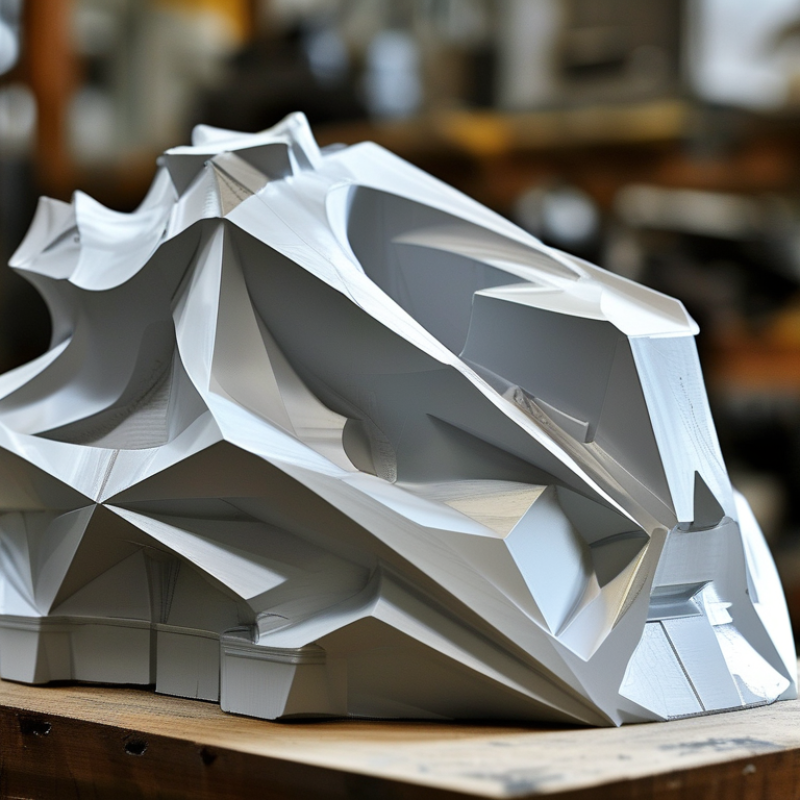
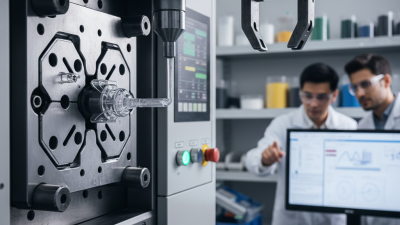
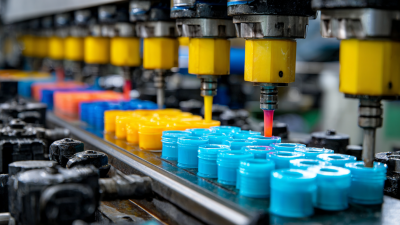
Injection molding prototyping is a powerful method in product development. It allows for the creation of high-quality prototypes quickly and efficiently. The process involves injecting molten material into a mold, forming a precise replica of the intended product. This technique offers excellent dimensional accuracy, ensuring that prototypes closely resemble the final product.
The materials used in injection molding are diverse, from plastics to metals. Choosing the right material is crucial. Different materials will yield different properties in terms of strength, flexibility, and finish. Prototyping can highlight these differences, providing valuable feedback before moving into mass production.
However, it’s important to recognize the limitations of this method. Initial setup costs can be high, particularly for complex designs. Further adjustments may be needed later, which could delay timelines. Decisions should be made carefully to avoid pitfalls. Involving an expert can guide material selection and design intricacies. This partnership often leads to more reliable and functional prototypes.
When considering prototyping methods, injection molding stands out as a reliable choice. This process offers exceptional precision, yielding prototypes that closely resemble the final product. The ability to create complex geometries efficiently is a significant advantage. Prototypes produced through injection molding can reveal potential design flaws early, allowing for modifications without extensive costs.
Another key benefit is the durability of the prototypes. Unlike some additive methods, injection molded prototypes can withstand real-world conditions. This quality is essential for rigorous testing and validation phases. Teams often find that early-stage testing can influence design refinements substantially. However, it's crucial to remember that creating injection molds can require a higher initial investment and longer lead times. This challenge does necessitate careful planning and may not fit every project's timeline.
In addition, the choice of materials is vast. With various thermoplastics available, designers can experiment with different properties. This variety can affect weight, strength, and aesthetics. Despite the benefits, one should not overlook the importance of integrating feedback from initial tests. Such input is vital for iterating designs effectively. Ultimately, the use of injection molding for prototyping provides numerous advantages while also posing unique challenges that require thoughtful consideration.
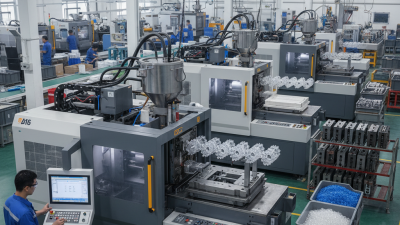
Injection molding is essential in various prototyping applications due to its efficiency and precision. This method is particularly advantageous for producing intricate designs and complex geometries. According to industry data, over 30% of prototypes used in product development are made through injection molding. This statistic highlights its popularity. The ability to create consistent prototypes means faster iterations and improved project timelines.
One common application is in the automotive sector. Manufacturers often rely on injection molding for parts like dashboards and enclosures. These components require high durability and precise dimensions. Reports indicate that injection molded parts can reduce production costs by up to 25% compared to traditional methods. Yet, the method isn’t perfect. Initial tooling costs can be high, leading to scrutiny in budgeting.
Another application is in electronic devices, where detailed components are essential. The method ensures that parts can fit together seamlessly in compact gadgets. A study found that 70% of electronic prototypes prefer injection molding for its ability to produce lightweight structures. However, achieving the right balance of material properties can sometimes be challenging. Designers must constantly assess whether injection molding meets their project needs efficiently.
Injection molding prototyping offers distinct advantages for product development. When choosing this method, several factors stand out. First, the complexity of your design can greatly influence your decision. Injection molding excels at producing intricate shapes with tight tolerances. Reports show that complex parts can be produced with minimal defects, enhancing overall quality. This precision is vital when the final product will be mass-manufactured.
Cost is another major consideration. Setting up an injection mold can be expensive. However, this initial cost is often offset by the efficiency of producing large quantities. Research indicates that businesses can save up to 30% on production costs in the long term with injection molding. Still, it's essential to analyze your project's scale and budget to ensure it's the right fit.
The choice of materials also plays a critical role. Injection molding supports a wide range of thermoplastics and thermosetting polymers. Some materials may have limitations regarding heat resistance or flexibility. Manufacturers must weigh the pros and cons of each material choice. Testing samples can help identify potential issues before full-scale production begins.
Consider prototype testing essential. It provides valuable insights into functionality and durability. Real-world tests can reveal design flaws that may not be apparent in simulations. Without this step, projects risk costly revisions later on. Prioritizing prototype testing can save time and resources.
Injection molding prototyping offers several advantages compared to other methods such as 3D printing or CNC machining. For larger production runs, injection molding shines due to its efficiency and speed. This method can produce high-quality parts with excellent surface finish. In contrast, 3D printing may lack the detail needed for certain applications. Additionally, CNC machining can be slower and more expensive for complex geometries.
When choosing a prototyping method, consider the purpose of your project. Each method has its pros and cons. Injection molding is ideal for functional testing, while 3D printing allows for rapid iterations. Reflect on your timeline and budget. If you have a limited budget, be cautious with injection molding tooling costs.
Evaluate your material requirements as well. Injection molding supports various materials, offering strength and durability. Yet, not all designs fit this method perfectly. It’s essential to align your design with the capabilities of injection molding. Don’t overlook other methods just because of their popularity. They may provide unique benefits for your specific project needs.