#4 – 20133 102nd Avenue, Langley, B.C. V1M 4B4 Canada

#4 – 20133 102nd Avenue, Langley, B.C. V1M 4B4 Canada
Contract injection molding has become a prevalent choice for manufacturers seeking efficiency and quality. According to a report by the Plastics Industry Association, the global injection molding market is expected to reach $346 billion by 2025. This growth highlights the rising demand for contract injection molding services, where specialized companies handle production for various industries.
This manufacturing method offers notable advantages. It allows businesses to access advanced technology without significant capital investment. Companies can scale production based on demand, which is crucial in today’s fast-paced environment. A study by Mordor Intelligence indicates that contract manufacturing can reduce production costs by up to 25%.
However, relying on contract injection molding comes with challenges. Maintaining quality control can be difficult when outsourcing production. Establishing clear communication is vital to ensure desired outcomes. Manufacturers must choose reliable partners to avoid pitfalls. Research from the International Journal of Advanced Manufacturing Technology suggests that partnerships with well-established firms increase production efficiency.
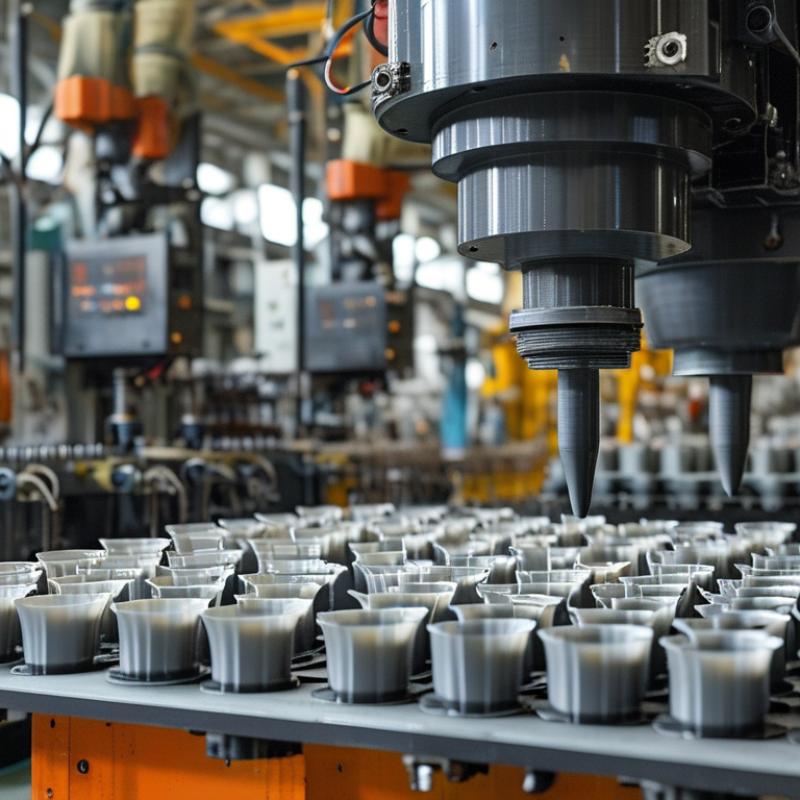
Contract injection molding offers numerous benefits for modern manufacturing. This method allows businesses to produce high-quality plastic components efficiently. It’s particularly valuable for companies that need to scale production without investing heavily in machinery. The flexibility of contract molding means firms can quickly respond to market demands.
Working with experts in contract injection molding provides access to technical knowledge and specialized equipment. This can enhance production processes and reduce lead times. Companies can focus on their core competencies while leaving the technical details to professionals. They can produce complex designs with precision and consistency.
Consider the cost-effectiveness of contract injection molding. It eliminates the need to maintain expensive machinery and skilled labor. However, businesses must research and select reputable partners. Not all service providers offer the same expertise. Evaluating potential partners is critical for consistent quality. Collaborating with the right company can lead to impressive manufacturing outcomes.
| Benefit | Description | Impact |
|---|---|---|
| Cost Efficiency | Reduces manufacturing costs through optimized material usage and reduced labor needs. | Lower production costs lead to greater profit margins. |
| Scalability | Easily ramp up production volumes to meet market demands. | Flexibility to increase output without significant delays. |
| Consistency | Ensures uniformity in product quality with repeatable processes. | Higher customer satisfaction and fewer defective products. |
| Time Efficiency | Faster production cycles enable quick market entry. | Accelerated sales and improved time-to-market. |
| Expertise | Access to specialized knowledge and machinery through contract manufacturers. | Enhanced product design and reduced risk of failure. |
| Resource Management | Outsourcing allows companies to focus on core competencies. | Improved operational efficiency and innovation. |
Contract injection molding presents a compelling cost-effective solution for manufacturers. In recent years, a report from the National Association of Manufacturers highlighted that companies can save up to 30% on production costs by outsourcing to contract manufacturers. This approach reduces overhead, such as labor and facility expenses. Many manufacturers struggle with high startup costs for equipment and technology. Contract services mitigate these burdens, allowing businesses to focus resources elsewhere.
Utilizing contract manufacturing also improves scalability. According to a study by the American Society for Quality, 68% of businesses experience challenges when ramping up production. Contract manufacturers adapt quickly to changing demands. This flexibility can be vital in fast-paced markets, where timing is crucial. However, not all contract manufacturers offer the same reliability. Companies must conduct thorough assessments to choose proven partners. Failing to do so can lead to quality issues and increased costs, undermining the initial benefits sought from outsourcing.
With outsourcing, manufacturers can access advanced technologies without significant investment. However, manufacturers must remain mindful. Relationships with contract partners require continuous evaluation. Quality control should not be overlooked. A survey indicated that 55% of firms reported quality problems when shifting to contract services. Thus, ongoing communication and regular audits are key to ensuring that expected savings do not come at the cost of product integrity.
Contract injection molding stands out for its remarkable flexibility and customization. Manufacturers can tailor designs to meet specific requirements. This method allows for adjustments based on changing market demands or client needs. The variety in material choices is another significant advantage. Different plastics can be used depending on the desired properties of the final product. This flexibility can lead to innovative designs that might be impossible with other methods.
Customization does not stop at material selection. Engineers can modify molds to create complex shapes and textures. This adaptability helps produce parts that fit unique spaces and functions. However, there may be challenges in the design process. Communication between clients and manufacturers is crucial. Misunderstandings can result in costs and delays. Regular feedback can help ensure that the final product aligns with initial expectations. While the process has its difficulties, the potential for innovative, customized products makes contract injection molding a compelling choice for manufacturers.
Contract injection molding is a preferred choice for manufacturers due to its emphasis on quality control. The process involves strict guidelines and protocols to ensure that each product meets specific standards. Quality control measures are integrated throughout the manufacturing cycle, from material selection to final inspection.
During material selection, using high-quality resins is crucial. This step directly impacts the final product's durability and functionality. Implementing a stringent verification system can help catch issues early. Regular audits can ensure that every batch of materials complies with industry standards.
Tips: Always check for certification in your suppliers. A reliable source minimizes risk.
Process monitoring is another critical aspect. Utilizing real-time data can help identify potential defects. Programmable logic controllers (PLCs) can provide insights into machine performance. However, over-reliance on technology can overlook manual checks. Human oversight is necessary for nuanced assessments.
Tips: Schedule regular training for your team. Knowledge is key to spotting potential flaws.
Lastly, final inspections should not be rushed. Using a standardized checklist can help in evaluating products thoroughly. However, one cannot foresee every defect. Continuous feedback loops can drive improvements in both the process and product quality. Emphasizing a culture of quality can lead to better outcomes in contract injection molding.
Contract injection molding stands out as a strategic choice for manufacturers seeking scalability and time efficiency. This manufacturing method allows companies to adapt quickly to changing market demands while maintaining high-quality production standards. By leveraging existing resources, businesses can meet large order volumes without investing heavily in new equipment.
This approach is particularly beneficial when introducing new product lines. The ability to scale operations means companies can produce small batches for testing before full-scale production. This flexibility not only reduces risk but also allows for adjustments based on market feedback.
It’s essential to consider potential pitfalls, such as dependency on third-party services. Such reliance can impact timelines if the supplier encounters issues. Trust in your contract manufacturer is crucial, as their efficiency plays a significant role in your success.
Balancing speed with quality requires careful oversight and communication throughout the production process, ensuring all stakeholders remain aligned.