#4 – 20133 102nd Avenue, Langley, B.C. V1M 4B4 Canada

#4 – 20133 102nd Avenue, Langley, B.C. V1M 4B4 Canada
In today's fast-paced world, the significance of using proper storage containers for vegetables and fruits cannot be overstated. According to a study by the Food Marketing Institute, nearly 40% of the produce in the U.S. goes to waste. This alarming statistic highlights the critical need for effective storage solutions. Proper storage containers not only extend the lifespan of fresh produce but also maintain nutritional value, ensuring that consumers enjoy the full benefits of fruits and vegetables.
When selecting storage containers for vegetables and fruits, it is essential to consider durability, breathability, and moisture control. Research indicates that BPA-free containers can minimize health risks associated with plastics. While many products claim to be “freshness preserving,” not all live up to expectations. Consumers often find themselves puzzled by what to choose, as some containers can lead to premature spoilage.
Investing in high-quality storage containers for vegetables and fruits is more than a convenience; it is a necessity. A well-organized kitchen can facilitate healthier meal choices and reduce food waste. By being mindful about our storage options, we contribute to a sustainable future. Proper storage practices can also empower us to make the most out of every grocery trip.
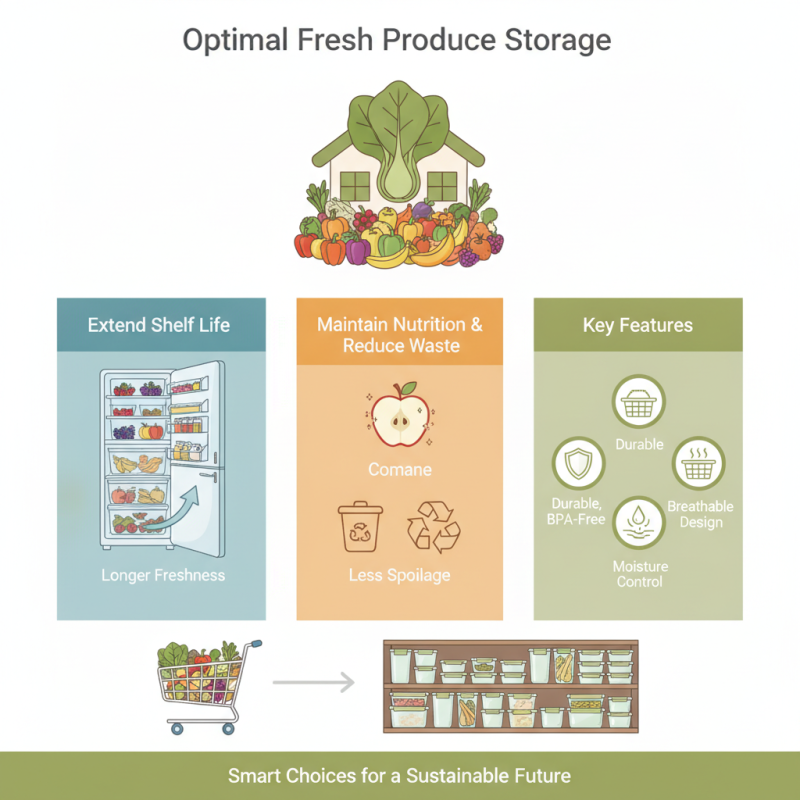
When it comes to storing fruits and vegetables, the type of container you choose makes a big difference. Some containers are designed for ventilation. Others maintain moisture. This affects freshness and longevity. For leafy greens, breathable bags work well. They allow airflow and reduce moisture build-up.
Plastic bins with vents are another option. These prevent condensation, which can lead to spoilage. Glass jars can store cut fruits and veggies. They provide an airtight seal but lack ventilation. It’s essential to find a balance. Not every container suits every type of produce.
Experimenting with different containers is important. Not all veggies react the same way. For instance, potatoes should not be refrigerated. They require dark, breathable storage. Your choice may seem small, but it impacts food waste. Each attempt can lead to better choices in the future. Understanding your storage options can enhance your produce experience.
| Container Type | Material | Capacity | Best For | Price Range |
|---|---|---|---|---|
| Airtight Plastic Bin | Plastic | 5-10 liters | Leafy greens, herbs | $15 - $25 |
| Mesh Produce Bag | Cotton/mesh | Varied | Fruits and veggies | $5 - $10 |
| Wooden Crate | Wood | Large | Root vegetables | $20 - $40 |
| Glass Jar | Glass | 1-3 liters | Pickles, sauces | $8 - $15 |
| Vacuum Sealed Bag | Plastic | Varied | Long-term storage | $10 - $20 |
| Bamboo Basket | Bamboo | Medium | Fruits, decorative | $15 - $30 |
| Plastic Stackable Container | Plastic | 10-15 liters | Bulk veggies | $20 - $35 |
| Stainless Steel Container | Stainless Steel | 5-12 liters | Durable storage | $25 - $50 |
| Rotating Vegetable Tray | Plastic | Varied | Display and storage | $15 - $30 |
| Countertop Bag Holder | Plastic/Wood | Varied | Easy access | $10 - $20 |
When selecting storage containers for vegetables and fruits, consider material quality. Different materials, like glass or plastic, impact freshness. Glass containers tend to be more durable and do not retain odors. However, they can be heavier and more prone to breakage. On the other hand, plastic containers are lighter and often come with vented options for moisture control. Choosing the right type can enhance the longevity of your produce.
The container's size and shape matter too. A good fit prevents bruising and rot. Fungus thrives in tight spaces; thus, taller containers are ideal for leafy greens. Shallow containers work well for smaller items like berries. Another factor is whether the containers allow airflow. Containers with ventilation help maintain optimal humidity. Without proper airflow, fruits and vegetables spoil faster, leading to waste.
Some designs offer stackability, saving space in your kitchen. However, managing weight distribution is crucial. Heavy items stacked improperly can lead to spills. Ultimately, think about convenience in your daily use. Choosing containers that are easy to clean can make meal prep less stressful. Regularly reassess the effectiveness of your storage solutions, as habits and needs can evolve over time.
Fresh produce can elevate any meal. However, keeping fruits and vegetables fresh is often a challenge. Many people struggle to find the right storage containers. The goal is to maintain freshness while minimizing spoilage.
Choosing the right container can make a significant difference. Airtight options are popular. They limit exposure to air, reducing decay. However, over-sealing can trap moisture, leading to mold. Ventilated containers are another option. These allow airflow, which can prolong freshness. But be cautious. Too much air can dry out delicate greens.
Most people rely on plastic bags or traditional bowls. While these seem convenient, they often lead to waste. Produce can spoil quickly in ineffective storage. Consider investing in specialized containers designed for fruits and vegetables. Look for options with built-in moisture control features. They may cost more upfront but can save money in the long run. Ultimately, keeping produce fresh is a combination of choice and awareness. Experimenting with different methods is essential. What works for one type might not work for another.
Using proper storage containers for fruits and vegetables can significantly extend their freshness. Choosing the right container helps maintain optimal humidity levels. This prevents produce from wilting or spoiling quickly.
For instance, breathable containers made from natural materials allow airflow. They help reduce excess moisture that can cause rot. On the other hand, airtight containers are suitable for cut fruits. They keep slices crisp while locking in flavors. Each type serves its purpose, yet many overlook these subtle differences.
Moreover, using clear containers provides easy visibility. This encourages users to consume what they have before items go bad. It’s a practical way to reduce waste in the kitchen. It’s important to regularly check the contents and remove any spoiled items. Neglecting this can lead to a cascade of spoilage, affecting fresh produce. Consistently using appropriate containers can enhance the cooking experience and promote healthier eating habits.
This chart illustrates the effectiveness of different types of storage containers for keeping vegetables and fruits fresh over time. The X-axis represents different container types, while the Y-axis indicates freshness duration in days.
Keeping fruits and vegetables fresh in storage containers requires attention to detail. One key factor is humidity. Certain fruits and vegetables thrive in higher humidity. However, others, like onions and garlic, prefer dry conditions. Understanding these preferences is crucial. It may take some trial and error to find the right balance.
Another consideration is airflow. Containers should not be airtight for all produce. Roots like carrots and potatoes do well in breathable bags. But leafy greens benefit from slightly sealed containers. A simple hole can make a big difference. Remember, freshness is often a matter of careful management.
Regularly checking your supplies is equally important. Rotting fruits can spoil nearby vegetables. Establish a routine of inspecting your storage. If you notice any decay, remove it immediately. This habit not only maintains freshness but also prevents waste. Keeping track might seem tedious, yet it significantly impacts the longevity of your produce.