#4 – 20133 102nd Avenue, Langley, B.C. V1M 4B4 Canada

#4 – 20133 102nd Avenue, Langley, B.C. V1M 4B4 Canada
The growing concern over waste management and energy production has led to innovative solutions. One of the most promising options is the Waste to Energy Plant. These facilities convert waste into usable energy, addressing two critical issues simultaneously: waste disposal and energy generation.
Waste to Energy Plants provide numerous benefits. They reduce the volume of waste sent to landfills. Additionally, they lower greenhouse gas emissions. This contributes significantly to environmental sustainability. Efficient technologies in these plants help harness energy from waste products. By doing so, they promote the use of renewable energy sources.
Despite their advantages, Waste to Energy Plants also face challenges. Some concerns include the initial investment and public perception. The technology's efficiency can vary, calling for continuous improvement. As we explore the benefits, it is crucial to evaluate these aspects critically. Understanding both the strengths and weaknesses can guide better decision-making in waste management.
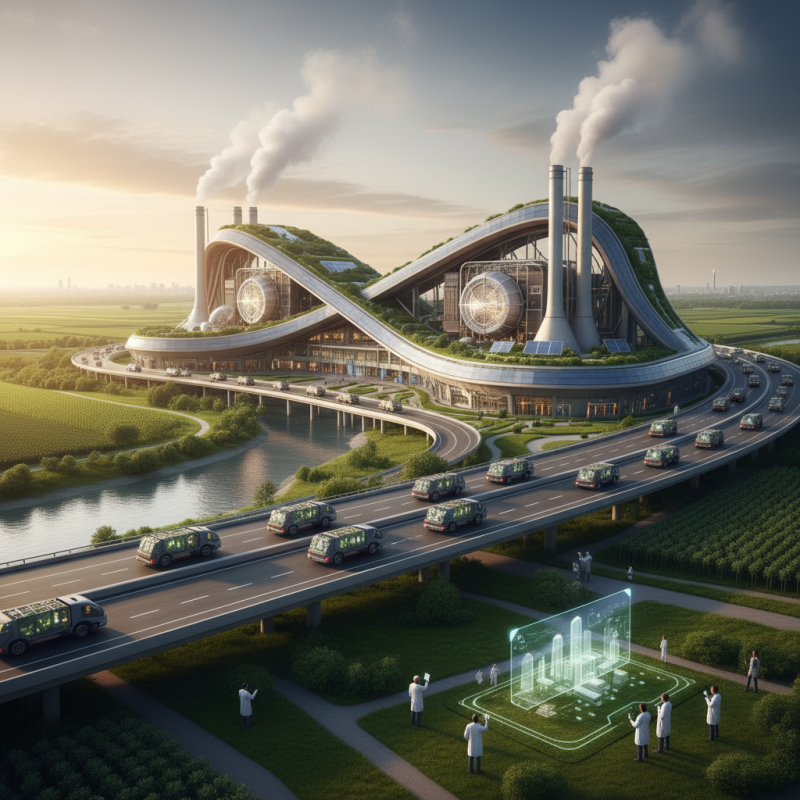
Waste to Energy Plant Solutions refer to processes that convert waste materials into usable energy. This can include electricity, heat, or fuel. These plants utilize various technologies like incineration, anaerobic digestion, and gasification. Each method has unique advantages and is designed to handle different types of waste.
These solutions help address the growing problem of waste management. They reduce landfill use and lower greenhouse gas emissions. However, the technology is not without challenges. Process efficiency can vary based on the waste composition. Communities often have concerns about emissions and residues. It is crucial to implement strict regulations to ensure environmental safety. Continuous monitoring and improvements in technology are necessary to enhance reliability and effectiveness.
Waste to energy (WtE) technologies offer numerous environmental benefits. They convert municipal solid waste into electricity or heat, reducing landfill dependence. According to the U.S. Environmental Protection Agency, WtE can reduce greenhouse gas emissions significantly. This process often results in a 50-75% reduction in methane emissions compared to traditional landfilling.
Another key advantage is resource recovery. Waste can contain valuable materials such as metals and plastics. Through advanced sorting and processing, WtE facilities can reclaim these resources for recycling. In Europe, WtE plants have contributed to a circular economy, where up to 65% of municipal waste is recycled or recovered, as reported by the European Commission.
Despite these benefits, there are challenges to consider. The public's perception of WtE can be mixed due to concerns about air emissions and ash disposal. Continuous improvements in emission control technologies and thorough monitoring are essential. These steps help ensure that WtE facilities operate within safety standards, maintaining environmental integrity while providing energy.
| Benefit | Description | Environmental Impact |
|---|---|---|
| Reduces Landfill Use | Converts waste into energy, minimizing the volume of waste sent to landfills. | Decreases methane emissions from landfills. |
| Produces Renewable Energy | Generates electricity and heat from waste materials. | Reduces reliance on fossil fuels. |
| Reduces Greenhouse Gas Emissions | Processes waste to lower carbon footprint and harmful emissions. | Mitigates climate change effects. |
| Encourages Recycling | Facilitates separation and recycling of materials before energy recovery. | Promotes circular economy practices. |
| Increases Energy Security | Diverse energy sources enhance energy independence. | Strengthens local energy supply. |
| Creates Jobs | Establishes jobs in the waste management and energy sectors. | Boosts local economies through employment. |
| Promotes Technological Advancement | Stimulates research and development in waste processing technologies. | Encourages sustainable innovations. |
| Enhances Public Health | Reduces toxic exposure from improperly disposed waste. | Improves air and soil quality. |
| Supports Climate Change Mitigation | Offsets emissions by converting waste to energy. | Contributes to global climate action goals. |
| Improves Waste Management Efficiency | Enhances overall waste management systems. | Reduces resource depletion. |
Waste to energy (WtE) plants offer significant economic advantages. According to a report by the International Renewable Energy Agency (IRENA), these facilities can reduce municipal waste while generating electricity. Each ton of waste processed can produce around 550 kilowatt-hours of energy. This means local authorities can lower their waste management costs and create a new revenue stream through energy sales.
The operational costs of running a WtE plant are often offset by savings in landfill expenses. The World Bank estimates that global waste generation will reach 3.4 billion tons by 2050. This situation intensifies the pressure on existing landfills. By converting waste into energy, cities can delay the need for new landfill sites and reduce their carbon footprint. Implementing these solutions can also drive job creation in the green technology sector. A 2020 study showed that WtE projects create around three times more jobs compared to landfill operations.
However, WtE facilities face scrutiny. Critics argue they may harm recycling efforts and emit pollutants. Balancing energy production and environmental impact is essential. In light of these concerns, ongoing innovations in technology and stricter regulations will play a crucial role in enhancing the sustainability of WtE plants.
Waste to energy plants provide numerous social benefits to communities. They offer a sustainable solution for waste management. By converting waste into energy, these facilities help reduce landfill usage. This leads to a cleaner environment, benefitting both residents and local wildlife. Communities can enjoy cleaner air and less odor from landfills.
Moreover, these plants create job opportunities. They require a skilled workforce for operation and maintenance. Local residents can find employment in various roles, boosting the economy. However, it is important to ensure that these jobs are safe and provide fair wages. Community engagement in decision-making is vital to address concerns and build trust. Local input can help shape the plant’s operations in a way that respects the community’s needs.
Some residents may have concerns about pollution. It is essential to monitor emissions closely. Transparency in reporting can increase community confidence. Regular updates can address fears and provide reassurance. Community education programs can also promote understanding of the benefits and processes involved. Establishing open lines of communication can foster cooperation and lead to effective waste management solutions.
Waste to energy (WtE) processes offer significant advantages in energy generation efficiency and sustainability. According to a report by the International Energy Agency (IEA), these plants can convert up to 90% of waste materials into usable energy. This not only reduces landfill usage but also optimizes resource consumption. By utilizing advanced thermal processes, facilities achieve energy conversion efficiencies between 20-30%.
Sustainability plays a critical role in WtE operations. In 2022, approximately 1.4 billion tons of waste were produced globally. Harnessing this waste reduces greenhouse gas emissions from landfills. A study indicated that each ton of waste processed can prevent the release of nearly 1 ton of CO2 equivalents. This transformation addresses the growing need for renewable energy sources while managing waste effectively.
However, WtE plants are not without challenges. The technology requires considerable capital investment. Some processes may produce emissions if not adequately controlled. The discussion surrounding the environmental impact is ongoing. Community acceptance varies, leading to regional discrepancies in implementation. Addressing these issues is crucial for future development. Balancing efficient energy generation with sustainability is a complex task that requires continuous innovation and stakeholder engagement.