#4 – 20133 102nd Avenue, Langley, B.C. V1M 4B4 Canada

#4 – 20133 102nd Avenue, Langley, B.C. V1M 4B4 Canada
Bent-axis Motors are revolutionizing the machinery landscape. An industry expert, Dr. Rob Anderson, states, “Bent-axis motors provide unmatched efficiency and power density.” This reflects the growing recognition of their benefits.
These motors are compact but powerful. They deliver high torque in a small footprint. Their design allows for greater efficiency compared to other types. As industries evolve, the need for more efficient solutions increases.
Some may question their complexity or cost. Yet, the advantages often outweigh the downsides. Adoption might involve a learning curve, but understanding these motors is essential. Embracing this technology may lead to significant advancements in various sectors.
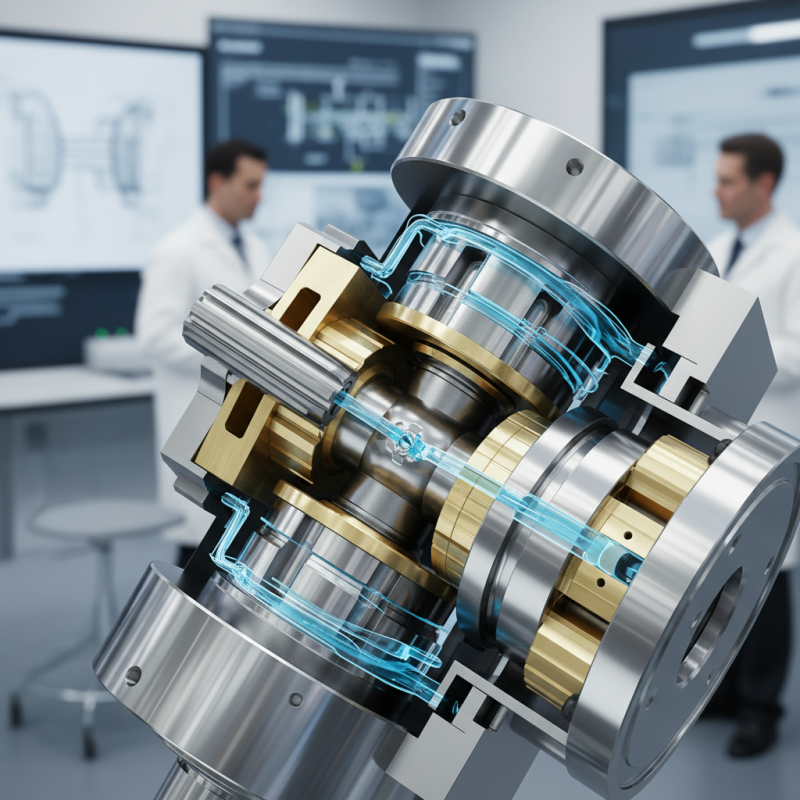
Bent-axis motors are a fascinating technology in the field of hydraulics. They offer unique features that enhance performance and efficiency. Understanding how they work helps in appreciating their advantages. A bent-axis motor converts hydraulic energy into rotary motion. It features a shaft that is angled, allowing for high torque at low speeds.
These motors excel in various applications, like mobile machinery and industrial equipment. They provide excellent power density. However, installation may require careful consideration. Users often find challenges in aligning systems properly. The orientation of the motor impacts its effectiveness and lifespan.
While bent-axis motors offer high efficiency, they are not without flaws. Some users report difficulties in maintenance. Regular checks are essential to avoid costly repairs. Efficient operation hinges on proper care. As with any technology, a learning curve is present. Understanding the nuances of these motors can lead to better performance and longevity.
Bent-axis motors are gaining popularity due to their unique design and functionality. These motors have a distinctive construction that offers several key features. One major aspect is their compact size. This makes them ideal for applications where space is limited. Users often find that reduced weight contributes to energy savings.
Another advantage is their efficiency. Bent-axis motors can achieve high torque with less energy input. This can be a game-changer in performance-critical situations. The adaptability of these motors allows for customization, which can enhance output for specific tasks. However, customization might lead to higher initial costs.
Tips: When selecting a bent-axis motor, consider the application requirements. Look for options that allow for easy integration. Testing is crucial to ensure compatibility with existing systems. Always evaluate the trade-offs between performance and cost.
Durability is a notable feature as well. These motors tend to have a longer lifespan in demanding environments. However, users should keep in mind that maintenance is essential. Neglect can lead to reduced efficiency over time. A regular check-up practice can prevent unexpected failures.
Bent-axis motors are becoming popular in various industrial applications. They offer unique advantages that can enhance efficiency and performance. One key benefit is their compact design. In tight spaces, this motor type excels due to its size and weight. This allows for more versatile installation options without sacrificing power.
Another advantage is their high torque output at low speeds. This is crucial for applications requiring precise control. For instance, in robotics and machining, this feature can improve operation. However, some users may find them less effective at very high speeds. This could limit their application in certain scenarios.
The efficiency of bent-axis motors shines in hydraulic systems. They maintain consistent performance over time, which reduces maintenance needs. However, it’s important to reflect on their heat generation. Proper cooling measures must be in place to prevent overheating. Overall, while bent-axis motors offer many benefits, careful consideration of their limitations is essential for optimal use.
When comparing bent-axis motors with other motor types, their unique design stands out. Bent-axis motors offer a compact structure. They also allow for higher torque density. This makes them suitable for various applications, especially in tight spaces. Unlike radial motors, bent-axis units can achieve better efficiency at lower speeds. Efficiency can significantly reduce energy costs.
However, the bent-axis design has its drawbacks. Their complexity can lead to higher manufacturing costs. Maintenance may also be more challenging compared to simpler motor types. In contrast, gearmotors can offer easier servicing but might lack the performance. Performance might not meet the needs of high-demand environments.
Another consideration is the versatility of bent-axis motors. They can be used in hydraulic applications and industrial machines. This adaptability is a significant advantage. But, they may not always be the best fit. The choice ultimately depends on specific application requirements. Each motor type presents unique benefits and challenges, requiring careful evaluation.
Bent-axis motors are gaining attention for their innovative technology and efficiency. Recent studies reveal that these motors can enhance power density by up to 30% compared to traditional designs. Their compact structure allows for more versatile applications in various industries, including robotics and aerospace. According to a 2023 report from a leading engineering firm, the global market for bent-axis motors is expected to grow by 15% annually over the next five years.
As technology advances, the future of bent-axis motors looks promising. Trends show a move towards incorporating IoT technologies. This integration may allow for real-time monitoring and predictive maintenance. However, challenges remain. The need for skilled technicians to manage advanced systems is critical. Current training programs may not suffice, leading to potential skill gaps in the workforce. Addressing this issue will be vital as the industry evolves.
Another intriguing trend involves the use of advanced materials. Utilizing lightweight composites can significantly reduce costs and improve performance. However, the manufacturing processes for these materials are still being perfected. Testing and quality assurance remain key concerns. Companies must adapt to these changes carefully, weighing the benefits against the inherent risks. The next few years will be pivotal for bent-axis motor technology, presenting opportunities and challenges alike.
| Advantage | Description |
|---|---|
| High Efficiency | Bent-axis motors typically offer higher efficiency in conversion of electrical to mechanical energy compared to traditional motors. |
| Compact Design | The bent-axis design reduces the overall size, allowing for integration into applications with limited space. |
| High Power Density | These motors can deliver more power relative to their size, making them suitable for demanding applications. |
| Robust Performance | Bent-axis motors are known for their reliability and durability, often performing well in harsh environments. |
| Wide Speed Range | They can operate efficiently across a broad range of rotational speeds. |
| Simple Mechanical Design | With fewer parts than other motor types, bent-axis motors simplify assembly and reduce potential maintenance issues. |
| Low Noise Level | They often operate more quietly than traditional motors, benefiting applications where noise is a concern. |
| Improved Thermal Management | Bent-axis motors can manage heat better, reducing the risk of overheating during operation. |
| Enhanced Control | They allow for more precise control over speed and torque, making them ideal for automated systems. |
| Future-Proof Technology | With ongoing innovations and improvements, bent-axis motors are likely to stay relevant and competitive in the market. |