#4 – 20133 102nd Avenue, Langley, B.C. V1M 4B4 Canada

#4 – 20133 102nd Avenue, Langley, B.C. V1M 4B4 Canada
Choosing the right Piezo Switch can influence equipment reliability, user safety, and long-term maintenance costs. Global buyers often compare suppliers across different technical standards, climates, and production conditions. A switch that performs well in a dry laboratory may struggle in a coastal control panel. Small details matter.
This guide reviews seven strong Piezo Switch options for industrial, medical, transportation, security, and public-use equipment. Each choice is considered through practical criteria, including actuation life, ingress protection, panel compatibility, voltage requirements, response feedback, surface materials, and customization support. Datasheets provide essential evidence, but they do not show every installation challenge. Field testing still matters. We also consider supplier consistency, documentation quality, sample availability, and communication during procurement. These factors can separate a dependable component from an attractive but risky purchase.
No switch is perfect.
Some models offer excellent durability but limited tactile feedback. Others support advanced lighting or branding, yet require stricter assembly tolerances. Buyers should verify electrical ratings, operating temperature, sealing performance, and certification requirements before placing volume orders. Regional compliance expectations may also differ, so technical documents should be reviewed by qualified engineers and purchasing teams. Our comparison aims to provide a clear starting point, not a substitute for application testing. The final decision should reflect the actual enclosure, user environment, cleaning routine, and expected operating cycle. A careful sample evaluation may prevent costly redesigns later.
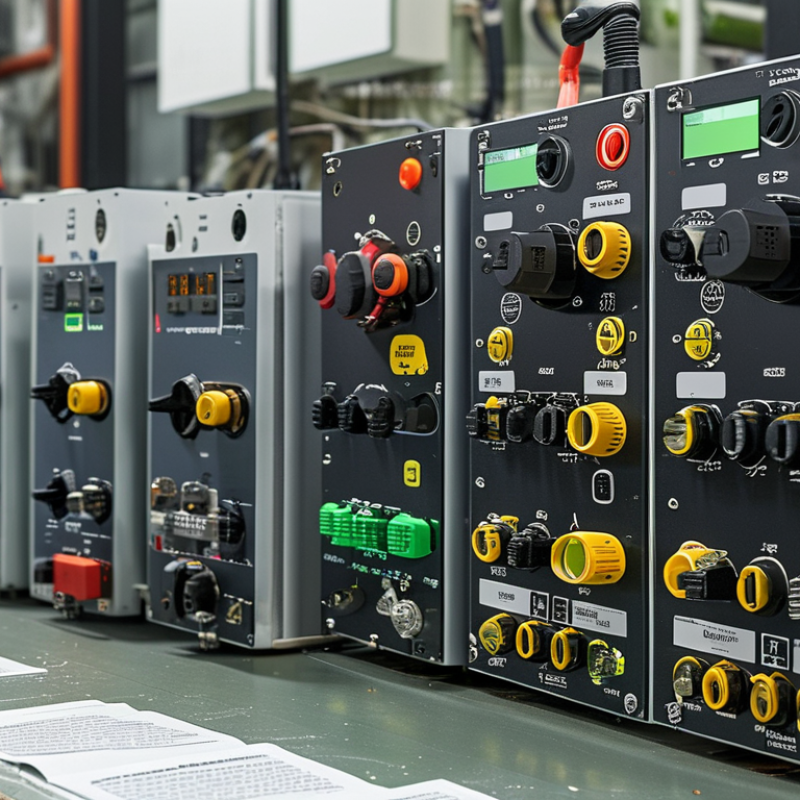
Piezo switches generate a signal through the piezoelectric effect. Pressing the metal surface creates a short electrical pulse, without moving contacts inside the circuit. This design supports sealed panels, low maintenance, and strong resistance to dust and moisture. For global buyers, the headline rating often reaches 50–100 million actuation cycles.
That number needs careful interpretation. A 50 million cycle rating means the switch passed a defined test sequence, not every real installation. IEC 61058-1 and IEC 60512 endurance methods require controlled loads, voltage, temperature, and operating speed. Real service can be harsher. Cold gloves, sideways pressure, voltage spikes, or abrasive cleaning may reduce life. It is not magic.
Independent reliability guidance from the International Electrotechnical Commission stresses that endurance results depend on test conditions and failure criteria. A 100 million cycle claim may measure signal continuity, while another test may include sealing, illumination, and cosmetic wear. Buyers should request the original test report. Check the load type, IP rating, temperature range, and failure definition. Ask for results at the actual voltage and current.
In practical terms, 50 million presses equal about 13.7 years at 10,000 daily operations. At 30,000 daily operations, the same rating lasts roughly 4.6 years. These estimates are useful, but imperfect. Field maintenance still matters. Small details decide the outcome.
7 Best Piezo Switches for Global Buyers
Global buyers should compare piezo switches by sealing, temperature stability, and force ratings. An IP68 rating suggests strong dust protection and water resistance, but test conditions still matter. Ask for the immersion depth, duration, and mounting requirements behind that rating. A switch rated from −40°C to 85°C suits outdoor cabinets, refrigerated equipment, and industrial control panels. However, the complete assembly must tolerate those temperatures. Cables, adhesives, and connectors can fail before the switch body.
The best seven options are not always the most expensive. Compare momentary and latching functions, response time, panel thickness, and expected life cycles. Force ratings deserve careful attention. A low-force model may improve accessibility, while a higher force can prevent accidental activation near machinery. During practical evaluations, check activation through gloves, wet fingers, and uneven pressure. Some switches feel excellent in a laboratory but less predictable in winter conditions. That detail is easy to overlook.
Tips: Request test reports, not only catalog claims. Confirm IP68 testing with the actual bezel and cable. Review force tolerance, not just the nominal rating. Test samples at both temperature extremes when possible. Keep a small margin below the maximum panel force. This is imperfect, but safer. Also inspect the mounting seal after repeated tightening, because over-compression may damage it. A supplier’s traceable quality records and clear replacement guidance can reveal more than polished specifications.
Seven piezo switches can look similar, yet their practical differences matter in global equipment. Life ratings often range from hundreds of thousands to several million activations. However, test conditions can hide problems. Wet gloves, abrasive dust, and repeated side pressure may reduce real service life. Review the test method, actuator material, and mounting instructions before trusting a headline figure.
Size affects more than appearance. Compare the panel cutout, body depth, bezel width, and rear clearance. A compact switch may fit a crowded control panel, but its smaller contact area can feel less comfortable. Output also needs careful checking. Some models provide a dry contact, while others require a voltage interface or external controller. Confirm switching current, voltage range, response time, and signal behavior with your electronics team. A strong output specification is not automatically the best match.
Tips: Request samples from all seven candidates. Test them with wet fingers, gloves, and repeated impacts. Measure the actual panel opening, not only the drawing. For compliance, check documentation for applicable EMC, electrical safety, material, and environmental requirements in each destination market. Supplier declarations are useful, but independent test reports provide stronger evidence. I have seen projects approve a switch too early because its certification file looked complete. Later, the required regional marking or installation condition was missing. That mistake is avoidable, though specification reviews are rarely perfect.
Application Matching Across Medical, Industrial, Transport, and Access Control
The seven best piezo switches are not identical choices. They include sealed flush switches, raised tactile models, illuminated units, emergency-stop interfaces, glove-friendly panels, vandal-resistant designs, and custom-format controls. Selection should follow the working environment. Medical equipment needs smooth surfaces, easy cleaning, and dependable operation with gloves. Industrial panels require resistance to dust, moisture, vibration, and repeated activation. Transport equipment benefits from strong illumination and clear feedback in poor weather. Access-control systems often need a durable, low-maintenance surface for frequent public use.
Tips: Check the ingress rating, operating force, temperature range, mounting depth, and expected activation cycles. Test the switch with wet gloves, winter clothing, and cleaning agents. A datasheet cannot reveal every real-world problem. Ask for samples before approving production. Piezo switches can reduce moving-part failures, but their tactile feedback may feel unfamiliar to some users.
For global projects, verify electrical compatibility, connector standards, language-free symbols, and regional certification requirements. A medical control may need a different validation process than a gate terminal. In transport settings, sunlight readability and accidental activation deserve careful testing. For access control, flush mounting can discourage tampering, while raised feedback may improve usability. I would avoid choosing only by price. The cheapest model may require costly panel changes later. My own preference is to test the complete interface, not just the switch. Even a reliable component can perform poorly in an unsuitable enclosure.
Procurement Analysis: Lead Times, Certifications, Customization, and Warranty
Selecting the best piezo switch involves more than comparing unit prices. Buyers should request current lead times, production capacity, and sample availability. Standard configurations may ship within two to four weeks. Custom panels, cable lengths, or engraved symbols can require six to ten weeks. Confirm the schedule in writing. A missed installation date can cost more than the switch itself.
Certification documents need careful review. Depending on the destination, buyers may need CE, UKCA, RoHS, REACH, or relevant electrical safety evidence. Ask for test reports, declaration documents, and the exact model number covered. Do not rely on a generic certificate. It may describe a similar product, not the selected configuration. IP ratings also deserve attention, especially for outdoor kiosks, medical equipment, and industrial control panels.
Customization should improve usability, not create unnecessary risk. Confirm actuation force, LED color, connector type, mounting thickness, and surface finish before approving samples. A ten-piece sample run can expose problems with gloves, sunlight, or cleaning chemicals. Warranty terms should state coverage length, failure definitions, return procedures, and response times. Two years sounds attractive, but exclusions may be broad. I have seen purchasing teams overlook freight responsibility during warranty claims. That detail matters. A clear inspection record, batch traceability, and replacement policy make supplier comparisons more reliable.
Still, no checklist is perfect; field conditions often reveal weaknesses that laboratory tests miss.