#4 – 20133 102nd Avenue, Langley, B.C. V1M 4B4 Canada

#4 – 20133 102nd Avenue, Langley, B.C. V1M 4B4 Canada
Choosing the right Modern Wall Light in 2026 requires more than following attractive design trends. Global buyers must balance visual appeal, energy use, installation conditions, and regional safety requirements. A slim brass sconce may suit a hotel corridor, while a sealed aluminum fixture may perform better beside a humid coastal entrance.
This guide examines the most practical modern wall light types for homes, hospitality spaces, offices, and retail projects. It considers integrated LED panels, adjustable reading lights, up-and-down fixtures, smart wall lamps, solar models, and decorative architectural designs. Each type is reviewed through useful details, including lumen output, color temperature, color rendering, beam direction, dimming compatibility, and expected maintenance.
Small details matter.
A fixture rated for indoor use may fail outdoors. A beautiful 2700K light may feel too warm in a workspace. Buyers should also verify voltage compatibility, mounting methods, driver quality, warranty terms, and recognized certification documents for their target market. Requirements can differ between countries, suppliers, and building types.
Real project experience shows that specifications are often incomplete. Some product pages exaggerate brightness or omit driver information. That deserves caution. This article therefore compares strengths, limitations, and practical applications rather than naming one universal winner. The best choice depends on the room, climate, electrical system, budget, and long-term service plan. Trends can guide selection, but tested performance should make the final decision.
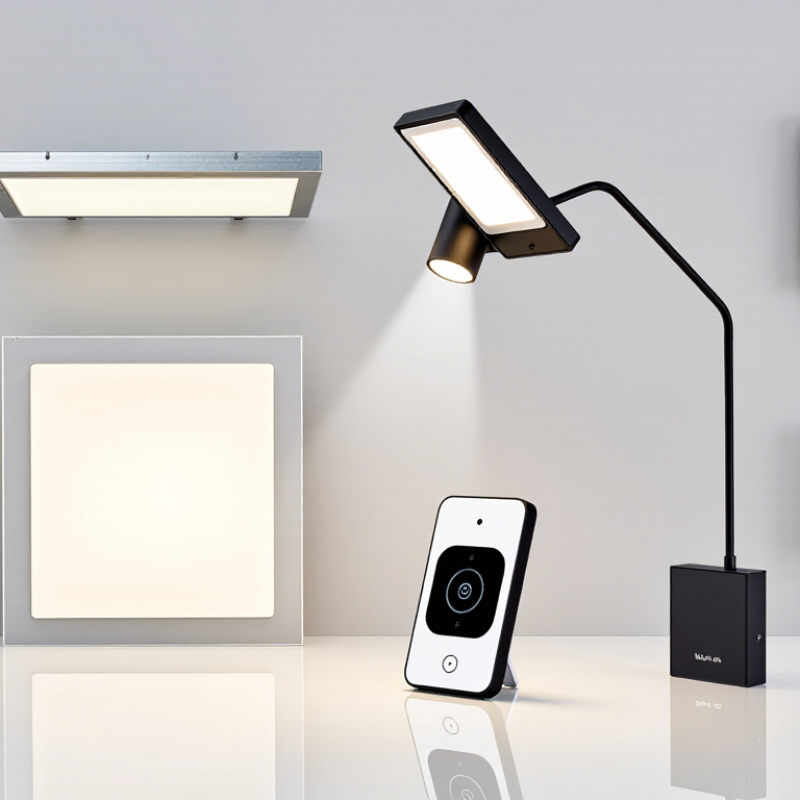
In 2026, a modern wall light is defined by more than a slim silhouette. It combines controlled illumination, efficient electronics, and adaptable design. In residential testing, warm white light around 2700–3000K creates a calmer evening atmosphere. Neutral light near 3500K can support hallways, kitchens, and work areas. Tunable color temperature adds flexibility, but complicated controls may frustrate users.
Glare control is now essential. A recessed LED, frosted diffuser, or adjustable shield can prevent harsh reflections on mirrors and polished walls. Good fixtures spread light evenly instead of producing a bright spot below the fitting. Some models connect with occupancy sensors, timers, or home control systems. However, wireless functions should not replace a dependable physical switch. Simplicity still matters.
Material quality also shapes modern performance. Powder-coated aluminum helps manage heat, while sealed components suit damp bathrooms or covered outdoor spaces. Buyers should check ingress protection ratings, voltage compatibility, installation instructions, and replaceable parts. Integrated LEDs look clean, but they can create maintenance concerns when the light source fails. I have seen elegant fixtures become wasteful because repairs were impossible. That assumption needs questioning.
A truly modern wall light should balance appearance, comfort, safety, and service life. It should illuminate faces without sharp shadows and guide movement without dominating the room. Small details matter. A two-centimeter mounting error can change the whole visual effect. Global buyers also need verified electrical certifications for their target market, not just attractive product images.
Modern wall lights work best when their form follows the room’s daily behavior. For living rooms, diffused wall sconces create soft layers beside sofas and doorways. Adjustable swing-arm lights suit reading corners because users can direct light without moving furniture. Picture lights add focused illumination above artwork, but excessive brightness can cause glare on glass.
Bedrooms need calm, low-level lighting. A pair of dimmable sconces near the headboard can replace bedside lamps and free valuable table space. Hallways benefit from slim uplights or compact cylinder fixtures. They guide movement without creating harsh pools on the floor.
In bathrooms, choose sealed fixtures with suitable moisture protection. A vertical light beside the mirror usually renders faces more evenly than one fixture above it.
Efficiency still matters. The U.S. Department of Energy reports that LED products use at least 75% less energy and last up to 25 times longer than incandescent lamps. The International Energy Agency also identifies lighting efficiency as an important global electricity-saving opportunity.
Selectable color temperature helps: warmer light often feels comfortable in bedrooms, while neutral white can support grooming and circulation areas. However, technical data does not replace a site check. Wall color, ceiling height, and reflected glare can change the result.
A beautiful fixture may still feel wrong. In real projects, dimming compatibility and accessible controls are often overlooked. That is a costly mistake.
Modern wall lights differ most clearly in what they do and how they shape a room. A reading light directs a narrow beam toward a chair or bedside table. An uplight washes the ceiling, creating softer ambient illumination. Some models combine both functions with adjustable arms or separate switches. This flexibility matters in bedrooms, hallways, hotels, and compact apartments.
Design changes the visual experience. A slim metal fixture suits a clean contemporary interior, while ribbed glass produces warmer, scattered light. Opal shades reduce glare but may lower perceived brightness. Exposed bulbs create character, yet they can feel harsh at eye level. In practical project reviews, buyers should check lumen output, color temperature, dimming compatibility, and installation depth. These details often matter more than photographs.
Function also affects installation and maintenance. Hardwired lights provide a neat appearance, while plug-in versions simplify rental upgrades. Bathrooms and covered outdoor areas require suitable ingress protection for their location. Regional voltage and wiring requirements must be confirmed by a qualified electrician. I once underestimated how strongly a dark wall absorbed light. The fixture looked powerful in a showroom, but weak at home. A sample test is wiser. Design is never purely decorative. Lighting direction, switch access, cleaning effort, and replacement parts all influence long-term value. Some beautiful designs remain inconvenient. That deserves honest consideration.
In 2026, global buyers should compare modern wall lights by material, technology, and serviceability. Aluminum keeps fixtures light and resists corrosion when properly finished. Stainless steel suits coastal areas better, but its quality varies between grades. Glass can create a softer glow, while acrylic usually offers lower weight and impact resistance. Ask for material specifications, surface-treatment details, and test reports rather than trusting product photos.
LED performance requires closer inspection. Compare delivered lumens, color temperature, color rendering, and rated lifetime. A 2700K light feels warm in hospitality spaces, while 4000K often suits offices and corridors. High CRI improves artwork and fabric colors. It matters. Dimmability also needs checking, because some drivers flicker or respond poorly with local controls. Confirm input voltage, frequency, plug requirements, and driver compatibility before ordering internationally.
Outdoor buyers should review IP ratings, operating temperatures, drainage design, and cable protection. Indoor products still need safe insulation and dependable heat management. A five-year warranty sounds useful, but only when replacement parts and support are accessible. Request installation drawings, photometric files, compliance documents, and sample units. Small details reveal problems. A finish may look premium yet scratch during transport, and a slim housing may run surprisingly hot. Buyers should test one installed fixture before placing a large order, because specifications alone cannot show every practical weakness.
For global buyers, modern wall lights should match the room, climate, and electrical system. Up-and-down sconces create clean architectural shadows along a hallway. Adjustable reading lights suit bedrooms, hotels, and compact work areas. Slim integrated LED fixtures save space, but their internal drivers may be difficult to replace. In humid bathrooms or coastal homes, choose suitable moisture protection. Ask for the IP rating, voltage range, beam angle, color temperature, and installation guide before ordering. Do not judge quality from photos alone.
Installation requires more than drilling two holes. Check local voltage and wiring requirements before purchase. A qualified electrician should inspect the wall box and grounding connection. Mark the mounting height beside furniture, mirrors, or beds. Leave enough clearance from curtains and other heat-sensitive materials. For rental properties, surface-mounted options can reduce wall damage. I have seen beautiful lights installed too high, leaving faces poorly lit. Measure twice. A perfect visual plan can still fail when switches are inconvenient.
Maintenance should remain simple and regular. Turn off power before cleaning or inspecting any fixture. Wipe the diffuser with a soft, dry cloth. Avoid abrasive cleaners, especially on coated metal and acrylic covers. Check screws after several months, since vibration can loosen them. Watch for flickering, unusual heat, discoloration, or buzzing sounds. These signs deserve professional inspection, not guesswork. Keep the product instructions and spare mounting parts in a labeled drawer. No checklist is perfect. Future repairs may expose a design choice that seemed practical during installation.
Practical comparison of common modern wall-light categories, performance ranges, installation requirements, and maintenance considerations for residential and commercial projects.
| Wall Light Type | Typical Application | Typical LED Output | Recommended Color Temperature | Typical Protection Rating | Energy and Service Characteristics | Installation Requirements | Maintenance Requirements | Best Choice When... |
|---|---|---|---|---|---|---|---|---|
| Decorative Sconce | Living rooms, bedrooms, corridors, restaurants, hotels, and reception areas. | 300–800 lumens per fitting | 2,700–3,000 K for warm ambience; 3,000–3,500 K for hospitality and retail. | Usually IP20 for dry indoor locations. | Integrated LED models commonly provide approximately 25,000–50,000 operating hours. Dimmability depends on the driver and wall-control system. | Requires a wall back box or suitable mounting plate, electrical wiring, and a compatible driver. Confirm local voltage and wiring regulations. | Switch off power before cleaning. Dust the shade and housing with a dry or slightly damp soft cloth. Replace the driver or complete fitting if the integrated LED module fails. | Interior appearance and comfortable indirect or diffused light are more important than high brightness. |
| Up-and-Down Wall Light | Exterior façades, entrance walls, staircases, corridors, and architectural feature lighting. | 500–1,500 lumens per fitting | 2,700–3,000 K for residential façades; 3,000–4,000 K for commercial architecture. | IP44 for sheltered areas; IP65 or higher for exposed outdoor locations. | LED designs reduce energy use compared with equivalent halogen fittings. Beam angle and wall color strongly affect the visible light pattern. | Use outdoor-rated cable glands, sealed mounting surfaces, and corrosion-resistant fixings. Install with light directed away from drivers and windows to reduce glare. | Inspect seals, cable entries, and water drainage at least annually. Remove dirt and salt deposits from the lens and housing. | A buyer needs both façade decoration and practical vertical illumination. |
| Picture and Accent Light | Art, photographs, shelves, display cabinets, museums, galleries, and retail merchandising. | 200–700 lumens per fitting | 2,700–3,500 K; choose high color-rendering LED with CRI 90 or above for artwork and merchandise. | Usually IP20 for indoor use. | Low power consumption is typical. Adjustable heads or linear optics help control glare and light spill. | Mount above or beside the display. Plan the position to avoid reflections on glass and keep the light source outside the viewer’s direct line of sight. | Clean the lens and artwork area regularly. Check the hinge, arm, and aiming mechanism for looseness. | Accurate color appearance, controlled beam distribution, and low glare are priorities. |
| Swing-Arm or Reading Light | Bedside reading, home offices, libraries, lounges, and hotel rooms. | 300–800 lumens per fitting | 2,700–3,000 K for bedrooms; 3,000–4,000 K for focused reading and work areas. | Usually IP20 for dry indoor locations. | Many models include an integrated switch, USB charging, or adjustable dimming. A replaceable LED lamp can simplify future servicing. | Fix securely to a stud, reinforced wall panel, or approved electrical box. Allow sufficient clearance for the arm’s movement. | Check screws and joints periodically. Keep the shade and ventilation openings free from dust. | Users need task lighting that can be positioned without installing a table lamp. |
| Bathroom and Mirror Light | Bathrooms, washrooms, vanity areas, dressing rooms, and hospitality suites. | 600–1,200 lumens per fitting | 3,000–4,000 K; CRI 80 minimum is common, while CRI 90 or above improves skin-tone and makeup visibility. | IP44 or higher, subject to the installation zone and local electrical code. | Use moisture-resistant LED drivers. Select a dimmable model only when the driver, switch, and control system are compatible. | Follow bathroom zones and required separation from water outlets. Use residual-current protection where required by local regulations. | Clean condensation, soap residue, and water spots. Check gaskets and moisture seals during routine electrical inspections. | Even facial illumination, moisture resistance, and safe installation are essential. |
| Outdoor Bulkhead Light | Garages, porches, service entrances, walkways, utility areas, and coastal or industrial sites. | 600–1,800 lumens per fitting | 3,000–4,000 K for comfortable outdoor visibility; 4,000–5,000 K for utility areas where higher visual contrast is needed. | IP65 is widely used for exposed outdoor locations; select impact resistance suitable for the site. | Designed for continuous outdoor use. LED service life is commonly rated at approximately 25,000–50,000 hours, depending on heat, driver quality, and operating conditions. | Use a level, sealed mounting surface and outdoor-rated cable entry. Avoid trapping water behind the fitting. | Remove dust, insects, and leaves from the diffuser. Inspect corrosion, seals, and mounting hardware, especially in humid or coastal environments. | Durability, weather resistance, and reliable general-purpose illumination are more important than decorative styling. |
| Recessed Step and Stair Light | Staircases, corridors, landscape walls, pathways, hotels, and residential safety lighting. | 50–300 lumens per fitting | 2,700–3,000 K for residential comfort; 3,000–4,000 K for commercial circulation areas. | IP44 indoors; IP65 or higher for exposed outdoor installation. | Low wattage and long operating life make these suitable for dusk-to-dawn or sensor-controlled operation. | Requires accurate cut-out dimensions, suitable wall depth, and accessible driver placement. Plan spacing to avoid dark spots and glare. | Keep the faceplate clean and verify that sensors or timers operate correctly. Replace damaged seals promptly. | Low-level guidance and safe movement are required without excessive brightness or glare. |
| Solar LED Wall Light | Garden paths, fences, remote entrances, sheds, patios, and locations where mains wiring is difficult. | 100–800 lumens per fitting, depending on battery capacity and operating mode | 3,000–6,500 K; warmer light generally produces a softer appearance. | IP44 for sheltered areas; IP65 is preferable for fully exposed installations. | Output depends on sunlight, panel angle, battery capacity, temperature, and motion-sensor settings. Batteries commonly require replacement after several years, depending on chemistry and climate. | Position the solar panel away from shade and orient it according to local sunlight conditions. Avoid placing it near strong artificial light that can confuse the sensor. | Clean the panel several times a year and remove leaves or snow. Check battery performance before winter and replace the battery when runtime becomes inadequate. | Mains cabling is unavailable, expensive, or undesirable and moderate night-time illumination is sufficient. |
| Linear LED Wall Washer | Commercial façades, retail interiors, galleries, hospitality spaces, and large architectural surfaces. | 1,000–4,000 lumens per metre, depending on optics and mounting distance | 2,700–4,000 K for architectural ambience; tunable-white options may cover a wider range. | IP20 indoors; IP65 or higher for exposed outdoor systems. | Good optical efficiency is available with LED systems. Continuous operation requires adequate heat dissipation and a correctly sized driver. | Provide precise alignment, expansion allowance for long runs, accessible drivers, and suitable structural support. Coordinate with the control protocol before installation. | Clean lenses and inspect connectors, end caps, and drainage. Check alignment after building movement or maintenance work. | Uniform illumination of long walls or architectural surfaces is needed. |